Author Archives: LOUJSWZ Inc.

TW Global Solutions, LLC. Receives SBA VOSB and SDVOSB Certifications

MANASSAS, Va. — TW Global Solutions LLC, founded by Major General (Ret.) William L. Thigpen, has received U.S. Small Business Administration certification as both a Veteran-Owned Small Business (VOSB) and a Service-Disabled Veteran-Owned Small Business (SDVOSB).
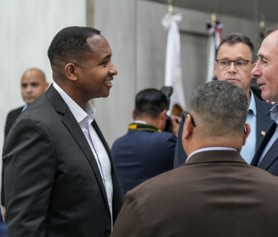
Major General (Ret.) William L. Thigpen
Thigpen said the certifications offer another avenue of approach to pursue opportunities and support organizations, while demonstrating the professionalism and governance of a federally recognized small business. The milestone strengthens the company’s position as it seeks new government contracting and teaming opportunities.
A former commanding general of U.S. Army South, Thigpen brings more than three decades of military leadership experience to the firm. TW Global Solutions provides strategic advisory services, consulting, executive coaching, leader development and keynote speaking to help organizations address complex challenges and build effective teams.
LOUJSWZ Inc. congratulates Thigpen and TW Global Solutions on this achievement and their continued commitment to service through business leadership.
Learn more: twglobalsolutions.com | loujswz.com


Why VA Claim Mentor?
I spent over 20 years serving in the Army, but understanding my own VA disability claim was another journey altogether.
I filed my initial claim when I left the military in 2011. Then I waited 13 years to revisit it. A big part of that delay was guilt. Like many veterans, I thought I should just keep moving forward and manage what I was dealing with.
A retired Command Sergeant Major helped change that. While I was outside the room, emotionally overwhelmed, my wife, Sherri, told him about my conditions and how they affected my life. His encouragement helped me move forward. In 2024, I filed a supplemental claim, and my rating increased from 90% to 100%.
That experience became part of the foundation for VA Claim Mentor.
As I helped other veterans understand the process, I kept hearing the same questions: Where do I start? What records do I need? How do I explain what happened during my service and how it affects me today?
I took those conversations, my own experience, and the lessons learned through one-on-one mentorship and built a self-paced course. Bringing it to launch meant turning that knowledge into practical lessons and worksheets veterans could use at their own speed.
VA Claim Mentor is for veterans who want to prepare their own claim and understand what they are submitting. It provides education, not representation, and is not affiliated with the VA or federal government. It cannot promise a rating. It can teach you the process and how to advocate for yourself probably the most important part of this journey.
My goal is simple: help veterans file because they deserve it.
Making life easier—one veteran at a time.
Learn more at VA Claim Mentor

There Are Still Good People Out There
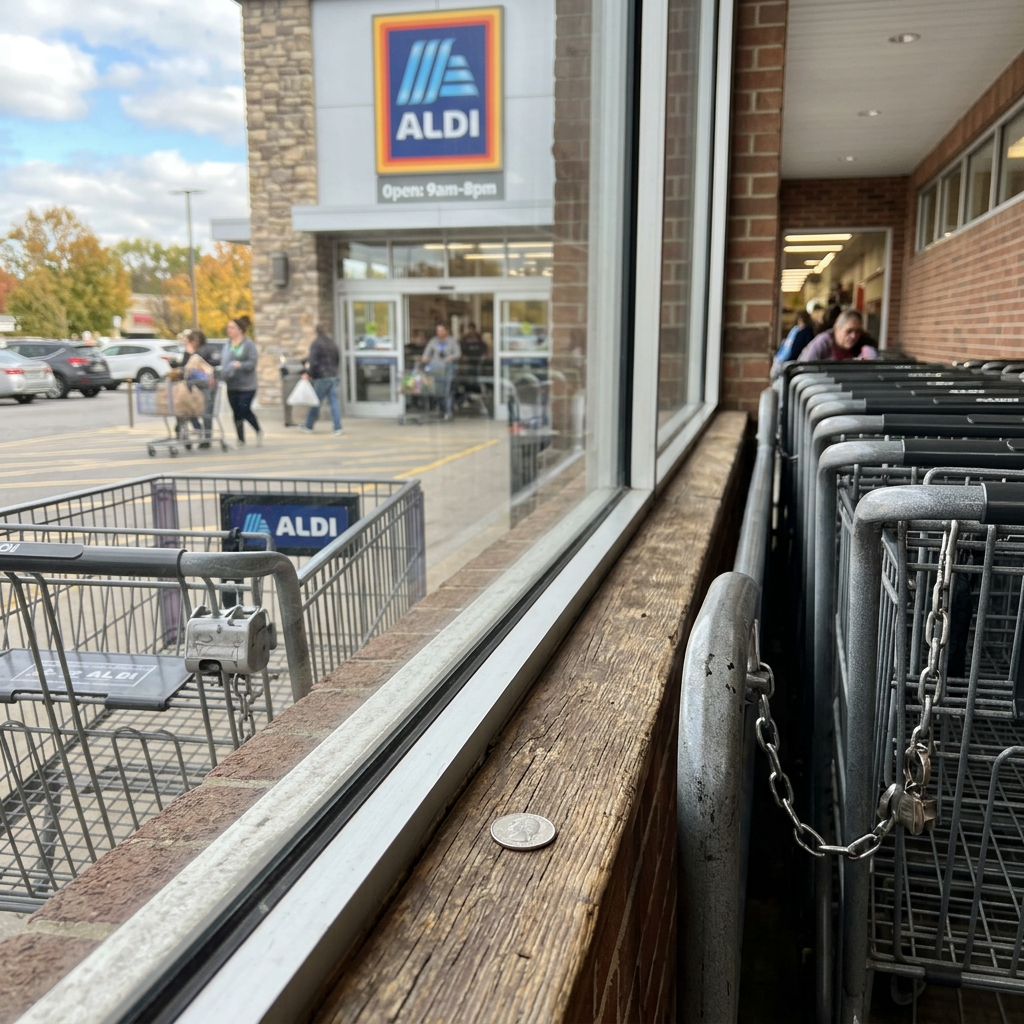
I stopped at the Aldi in my neighborhood and noticed a quarter sitting on the window ledge near the grocery carts. Someone had left it there for the next person who needed a cart.
I used it, did my shopping, and put the quarter back in the same spot. It was such a small gesture, but it made me smile.
To whoever left it there, thank you. And thank you to everyone who does little things like this without expecting recognition. It was a welcome reminder that there are still good people out there. Sometimes all it takes is a quarter to pass that feeling along.

Racing to Help Others
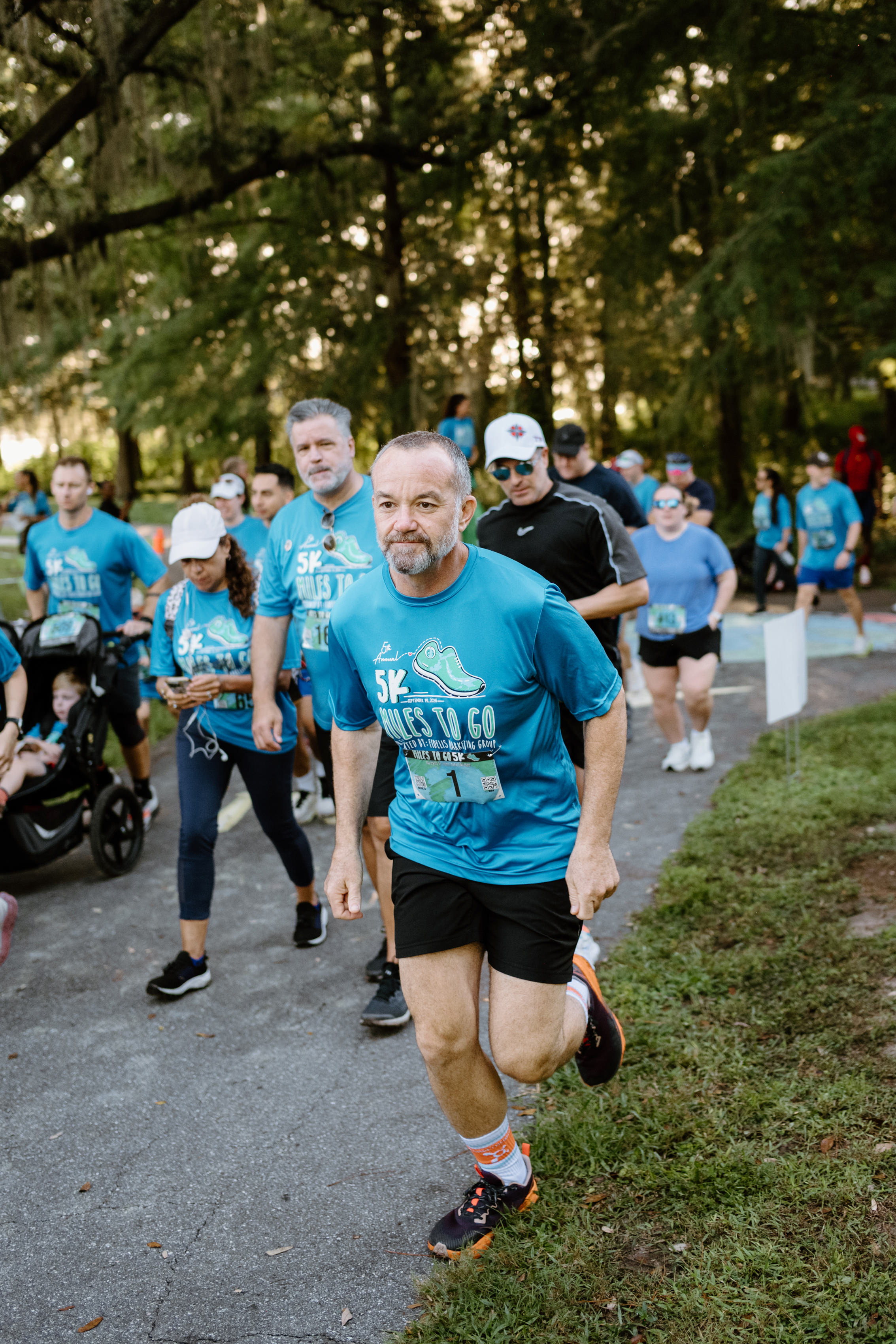
This was LOUJSWZ Inc.’s first promotion supporting Miles to Go, a local nonprofit helping people experiencing homelessness throughout Orange County.
What a great feeling it was to give back—not only by supporting such a worthwhile organization, but also by helping others participate in the race and contribute to an important cause. Seeing our community come together reminded me that even a small company can make a meaningful difference.
I am especially grateful to my clients. The work we do together provides the resources that allow LOUJSWZ Inc. to support organizations like Miles to Go. By trusting us to help improve their lives and businesses, our clients also help us give back and lift others toward a better place.
This race represented more than crossing a finish line. It was about community, gratitude, and putting our values into action.
Thank you to Miles to Go, every participant and volunteer, and especially our clients for helping make this possible. This may have been our first promotion supporting a charitable organization, but it will not be our last.
At LOUJSWZ Inc., success means more when it helps someone else succeed.
Area Beautification
In 1988, I arrived at basic training at Fort Jackson, South Carolina. Our command sergeant major—a tough, larger-than-life woman in what was then an overwhelmingly male environment—made an immediate impression on me. She was known to put her hand inside a toilet to make sure it had actually been cleaned. That tells you about everything you need to know.
One day, she stood in front of the formation and called out, “Are there any farmers out there? Any farmers?”
She wasn’t looking for agricultural advice. She wanted soldiers for her area beautification program.
I wasn’t selected, but for some strange reason, I always wanted to be part of it. In the Army back then, “area beautification” could mean painting rocks, picking up cigarette butts, pulling weeds or even cutting grass with scissors. Some of it seemed ridiculous, but there was a lesson behind it: take pride in where you live and work. Make your small piece of the world cleaner, more organized and better than you found it.
Apparently, that lesson stayed with me.
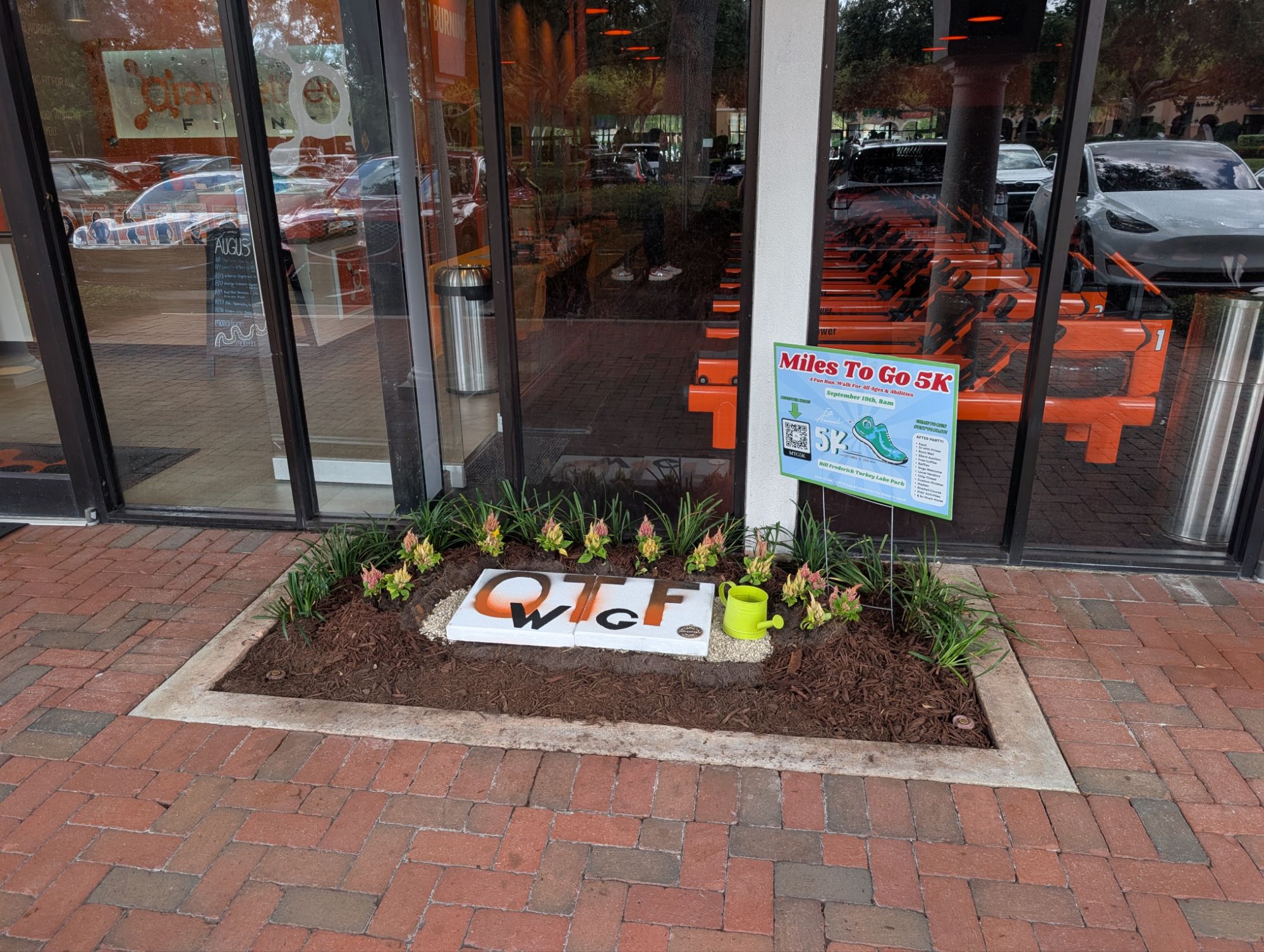
Recently, a woman I have known for seven years was promoted to lead the organization where I exercise. She was a friend of my wife, Sherri, and she also helped train my daughter. I wanted to recognize her promotion, but I didn’t want to simply give her a gift card or something that would soon be forgotten. I wanted to do something she could see every morning when she arrived at work.
So I finally joined the area beautification program—only about 38 years late.
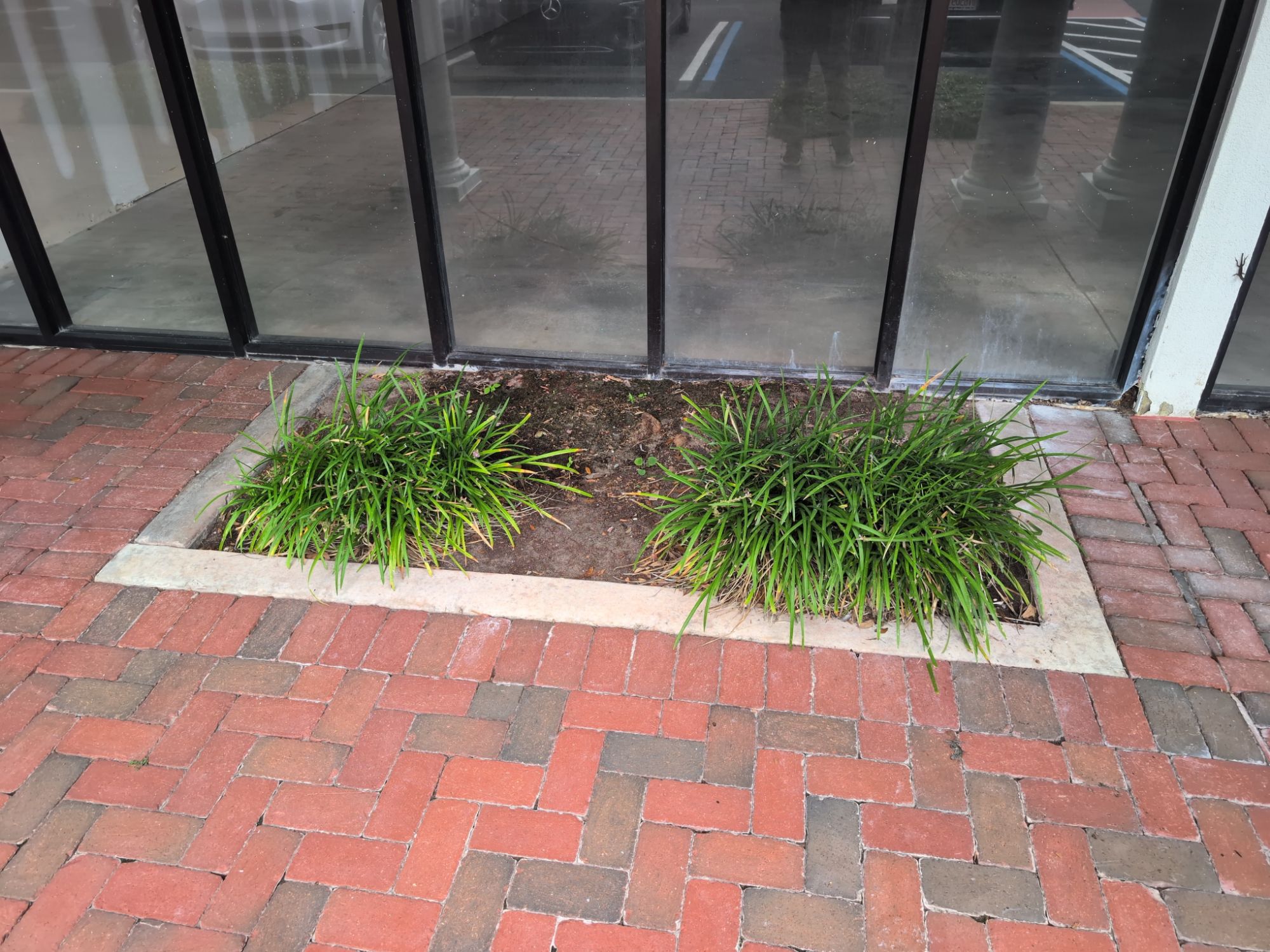
I made a plan and spent about an hour and a half cleaning and improving the area in front of the building. I even created a small version of the organization’s symbol, hoping to add a little esprit de corps.
While I worked, several people stopped to tell me how nice it looked and how much they appreciated what I was doing. I didn’t explain the reason. I was simply cleaning up an area and making it a little more welcoming.
Leadership lessons often appear in the smallest actions. Leading by example does not always require a title, recognition or financial reward. Sometimes leadership is simply noticing something that could be better—and taking responsibility for making it better.
More importantly, the gesture made her feel appreciated. It brought people together, strengthened our sense of community and made the place we share a little more special.
And I felt pretty good about it too.
I guess that command sergeant major knew what she was doing after all.
Service Should Start Close to Home
I have been thinking a lot about what it means to give back without making it about yourself.
One of the things I have always admired about the ideals of our founding fathers is the belief that citizenship carries responsibility. You contribute. You serve. You try to leave your community a little better than you found it.
That is something I want reflected in my little company as well.
I am fortunate that the business has created some profit, and rather than simply talking about community, veterans, service, or helping others, I decided I wanted to actually do something with a portion of it.
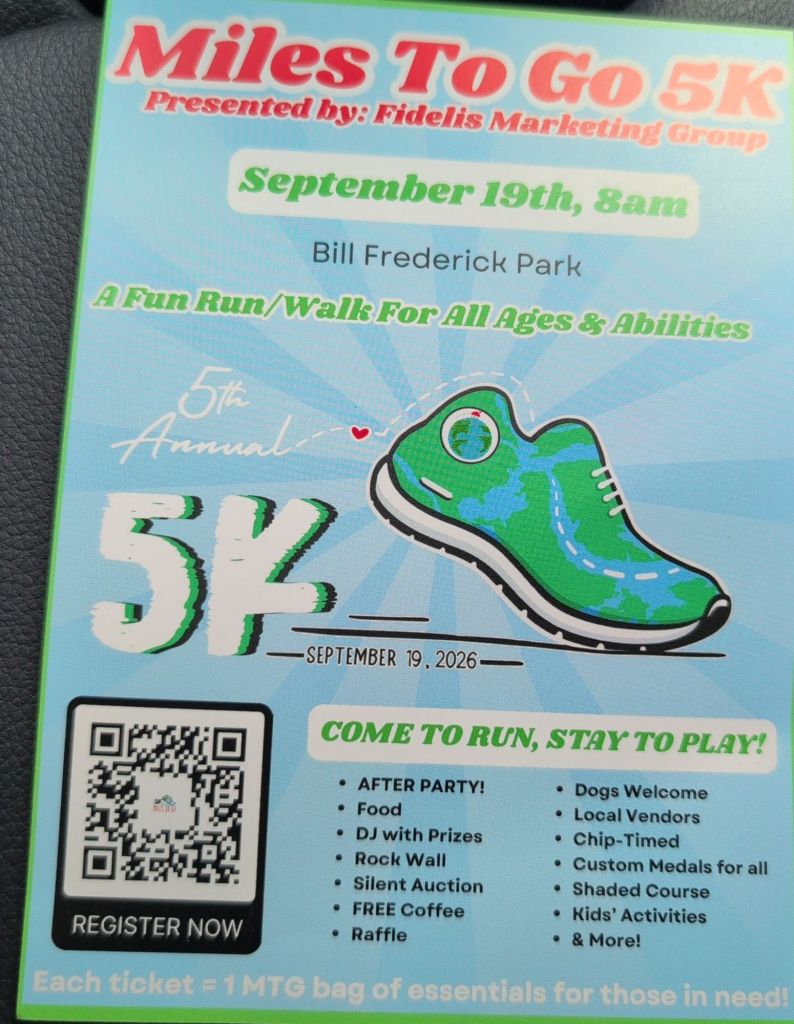
I selected a local nonprofit, Miles to Go, that helps people experiencing homelessness in the Orlando community. Homelessness is difficult enough under any circumstance, but homeless veterans in particular are something I have always cared about.
At the same time, health and fitness have long been an important part of my life. So when I saw an opportunity to support a 5K that benefits Miles to Go, it felt like a natural fit.
I anonymously paid for several people to participate.
I am not sharing that because I think it is some grand gesture. It is not. I am sharing it because I think businesses, even very small ones, have an opportunity to decide what they stand for through their actions.
We hear people say all the time that we should help veterans, support our communities, care for people in need, and improve our health. Those are good words. But somewhere along the way, the words have to become actions.
As the old saying goes, put your money where your mouth is.
For me, this is also about honoring the people and experiences that have shaped my life. It is about my late wife, my family, my military service, the people who have supported me, and the values I continue to hold dear.
Service does not always have to be large, public, or complicated.
Sometimes it is simply deciding that when you have a little extra, you share a little of it.
My company is small. Its contribution is small.
But if that contribution helps someone take another step forward, then it mattered.
And for me, that is enough.
Uncovering Disability Benefits for 11.25 Million Veterans
VA estimates there are approximately 17.6 million living veterans, while about 6.34 million receive service-connected disability compensation. That leaves roughly 11.25 million veterans—about 64% of the veteran population—not currently receiving disability compensation.
The modern DoD-VA Integrated Disability Evaluation System, or IDES, did not begin until 2007 and was later expanded worldwide. IDES primarily serves service members referred for possible medical separation or retirement; it is not a universal disability evaluation for every service member leaving the military. Millions of veterans separated before this integrated system existed, and many others left service without ever entering IDES.
VA has also documented claims filed 10 to 20 years after discharge, and some veterans have waited roughly 30 years before ultimately receiving service-connected benefits. The evidence does not show that most veterans wait 30 years, but it clearly shows that long delays are real.
Meanwhile, VA has obligated approximately $13.84 billion toward electronic health record modernization, with an independent lifecycle estimate cited by GAO of approximately $49.8 billion. VA also continues to spend billions on construction and infrastructure.
Those investments have created vast amounts of electronic medical and service data. DoD and VA already possess service treatment records, deployment histories, occupational information, exposure records, diagnoses, surgeries, traumatic injuries, hearing loss, chronic illnesses, and VA medical histories.
The call to action is straightforward: use that data to identify veterans who may have been missed.
VA should systematically identify veterans who are not receiving disability compensation but whose existing records show strong indicators of potentially service-connected conditions. Those veterans should then be proactively contacted, offered an expedited evaluation, and assisted through the disability claims process.
Before additional billions are committed to technology overruns or unnecessary construction, Congress and VA should evaluate whether those dollars could produce greater value by directing resources toward eligible veterans and putting compensation directly into their households.
The question is no longer whether the government has the information.
It does. The question is whether VA will use it.
Of the 11.25 million veterans not currently receiving disability compensation, how many have documented service-related conditions that have never been fully evaluated?
Congress should require VA and DoD to answer that question—and act on the results.

Yesterday was a great day.
After working with a gentleman for about six months—almost exactly the amount of time since my wife passed—we received notification that the VA had granted him a 60% disability rating.
For him, this was a giant win.
He served two tours in the Marine Corps and is a Desert Shield/Desert Storm veteran. One period of his service unfortunately ended with a bad conduct discharge after some things happened while he was young and going through a divorce. But he also had an honorable period of service, and that mattered.
He had tried three times before to receive VA disability compensation. He had worked with VSOs, but from what I could see, nobody had really looked deeply enough at his entire military history or separated the different periods of his service to determine what conditions could legitimately be connected to his honorable service.
He was referred to me by a retired Navy captain who had known him since they were Junior ROTC kids. Now, decades later, this Marine had served his country, lived with the consequences of that service, battled cancer and other medical problems, and still had never received the benefits he had earned.
So we went to work.
I used the same process I use with everyone: slow down, build the timeline, look at where they served, what they did, what happened to them, what they were exposed to, and what conditions followed them home. Then claim what the evidence supports.
Yesterday, he got his answer: 60%.
That means meaningful tax-free monthly compensation and access to additional VA benefits that can make a real difference in his life.
And I have to tell you, this one felt particularly good.
The last six months have also been some of the hardest months of my own life. I am learning how to live after losing my wife. I don’t think you ever really “recover” from something like that. You learn how to carry it. You find reasons to get up, reasons to keep moving, and hopefully reasons to continue being useful to somebody else.
Yesterday was one of those reasons.
Helping this Marine finally receive recognition for conditions connected to his service reminded me why I continue doing this work.
I hope someone reading this who has been putting off filing a VA disability claim—or who filed before and gave up—will reconsider.
I often describe VA disability compensation simply as workers’ compensation for service members. If military service injured you, made you sick, or caused a condition that continues affecting you today, there is no shame in asking the government to honor that obligation.
You don’t have to exaggerate anything.
You don’t have to claim something that isn’t true.
You just have to do the work, document your story, and advocate for yourself.
Sometimes you may need someone beside you to help you do it.
Yesterday reminded me how thankful I am that, at this point in my own life, I get to be that person for somebody else.
Teach a Veteran to Fish
Recently, I had the privilege of helping another veteran who had retired from federal service after leaving the military before 2011. Like so many others, he was facing family challenges and decided it was finally time to look at his VA disability rating.
But he was afraid.
Not because he thought he wasn’t entitled to his benefits. He was afraid that if he opened the door again, the VA might reduce his rating. So for years, he simply left it alone.
A mutual friend from college introduced us, and we talked veteran to veteran.
I asked him a few simple questions: How old are you? What is your current rating? What conditions were originally service connected?
Then I asked him something he had never really considered.
“What if the VA simply missed something?”
The VA handles millions of claims. Like any large organization, mistakes happen. Sometimes conditions are overlooked. Sometimes veterans don’t claim everything because, when they leave the service, they’re focused only on what hurts the most at that moment.
In his case, we reviewed his VA decision letter together and found a condition that should have been claimed. He submitted the claim himself.
Within two weeks, his rating increased from 60% to 80%.
That gave him confidence.
Next, I asked him to do something I ask nearly every veteran to do: build a timeline of his military career and write down every injury, illness, exposure, and significant event he could remember.
As we worked through his history, we discussed secondary conditions—medical problems that develop because of already service-connected disabilities. He realized he had been receiving treatment for several of them for years without ever connecting them to his original service-connected condition.
Again, he filed the claims himself.
His rating increased from 80% to 90%.
At that point, I told him what I tell everyone.
“I’ve taught you the process. You know how to advocate for yourself now.”
Several months later, he called.
The VA had completed additional examinations, approved more secondary conditions, and he had reached a 100% disability rating.
Like so many veterans, he earned every bit of it.
No one wants the injuries, the chronic pain, or the emotional scars that come with military service. But when those sacrifices affect a veteran for the rest of their life, our nation made a promise to care for them.
Unfortunately, many veterans never even look.
They’ve heard stories about fraud or abuse. They worry they’ll be judged. They don’t want to seem like they’re asking for a handout.
The reality is that the overwhelming majority of veterans simply want to be treated fairly.
My philosophy has always been simple.
I don’t want to hand someone a fish.
I want to teach them how to fish.
I mentor veterans so they understand the process, learn how to gather evidence, write their own statements, and become their own best advocates. Then I ask them to do one thing:
Help the next veteran.
Imagine the impact if every veteran helped just one more.
Today, it’s estimated that roughly six million veterans who left the military before the widespread use of digital VA claims have never even had their disabilities fully evaluated. Many don’t realize that decades after service is often when conditions become significantly worse. Bad backs become arthritis. Knee injuries deteriorate. Ankles fail. Hearing loss progresses. Mental health conditions become more apparent with time.
Those veterans deserve to know they still have options.
Less than one percent of Americans have been willing to raise their right hand and volunteer to serve this nation, knowing that service could cost them their health—or even their life.
Seeking the benefits they earned isn’t taking advantage of the system.
It’s simply allowing a grateful nation to keep its promise.

The Torch Has Been Passed
I did not think this day could come. Even after my son raised his right hand, a part of me never truly believed I would one day watch him become an active duty service member.
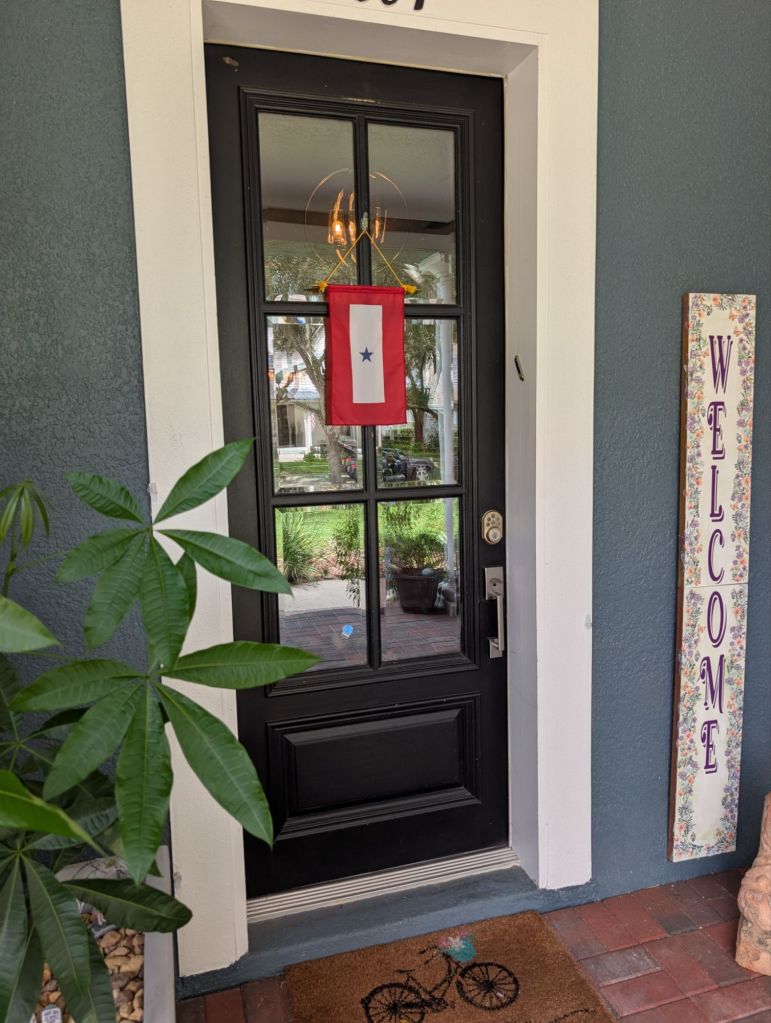
I recently hung a Blue Star Service Flag in my window. It is a daily reminder that the next generation continues to answer our nation’s call, accepting personal risk for a higher calling.
As a young boy, I knew I was meant to serve. Throughout my Army career, I rarely thought about the danger. The mission always came first. It wasn’t until I was saying goodbye to my own children before deployments that I began to understand where the real burden was carried.
Today, I see that burden through different eyes.
I used to reassure my family by saying it was more dangerous driving to the base in Atlanta than serving in the area of operations or on a forward operating base. At the time, I believed it. It was easy to say because I was the one going.
It is different when it is your son.
Modern warfare is different with these drones. But Information is still limited, uncertainty is constant, and the waiting can be relentless. Yet one truth has never changed: the hardest part of military service is often carried by the families who remain behind.
I have always been proud to serve my country.
Today, I am equally proud—and humbled—to be the father of someone who has chosen to do the same.
The torch has been passed. My prayers now travel with him, his wife, and every family waiting faithfully at home.


