Blog Archives

Why VA Claim Mentor?
I spent over 20 years serving in the Army, but understanding my own VA disability claim was another journey altogether.
I filed my initial claim when I left the military in 2011. Then I waited 13 years to revisit it. A big part of that delay was guilt. Like many veterans, I thought I should just keep moving forward and manage what I was dealing with.
A retired Command Sergeant Major helped change that. While I was outside the room, emotionally overwhelmed, my wife, Sherri, told him about my conditions and how they affected my life. His encouragement helped me move forward. In 2024, I filed a supplemental claim, and my rating increased from 90% to 100%.
That experience became part of the foundation for VA Claim Mentor.
As I helped other veterans understand the process, I kept hearing the same questions: Where do I start? What records do I need? How do I explain what happened during my service and how it affects me today?
I took those conversations, my own experience, and the lessons learned through one-on-one mentorship and built a self-paced course. Bringing it to launch meant turning that knowledge into practical lessons and worksheets veterans could use at their own speed.
VA Claim Mentor is for veterans who want to prepare their own claim and understand what they are submitting. It provides education, not representation, and is not affiliated with the VA or federal government. It cannot promise a rating. It can teach you the process and how to advocate for yourself probably the most important part of this journey.
My goal is simple: help veterans file because they deserve it.
Making life easier—one veteran at a time.
Learn more at VA Claim Mentor
Yesterday was a great day.
After working with a gentleman for about six months—almost exactly the amount of time since my wife passed—we received notification that the VA had granted him a 60% disability rating.
For him, this was a giant win.
He served two tours in the Marine Corps and is a Desert Shield/Desert Storm veteran. One period of his service unfortunately ended with a bad conduct discharge after some things happened while he was young and going through a divorce. But he also had an honorable period of service, and that mattered.
He had tried three times before to receive VA disability compensation. He had worked with VSOs, but from what I could see, nobody had really looked deeply enough at his entire military history or separated the different periods of his service to determine what conditions could legitimately be connected to his honorable service.
He was referred to me by a retired Navy captain who had known him since they were Junior ROTC kids. Now, decades later, this Marine had served his country, lived with the consequences of that service, battled cancer and other medical problems, and still had never received the benefits he had earned.
So we went to work.
I used the same process I use with everyone: slow down, build the timeline, look at where they served, what they did, what happened to them, what they were exposed to, and what conditions followed them home. Then claim what the evidence supports.
Yesterday, he got his answer: 60%.
That means meaningful tax-free monthly compensation and access to additional VA benefits that can make a real difference in his life.
And I have to tell you, this one felt particularly good.
The last six months have also been some of the hardest months of my own life. I am learning how to live after losing my wife. I don’t think you ever really “recover” from something like that. You learn how to carry it. You find reasons to get up, reasons to keep moving, and hopefully reasons to continue being useful to somebody else.
Yesterday was one of those reasons.
Helping this Marine finally receive recognition for conditions connected to his service reminded me why I continue doing this work.
I hope someone reading this who has been putting off filing a VA disability claim—or who filed before and gave up—will reconsider.
I often describe VA disability compensation simply as workers’ compensation for service members. If military service injured you, made you sick, or caused a condition that continues affecting you today, there is no shame in asking the government to honor that obligation.
You don’t have to exaggerate anything.
You don’t have to claim something that isn’t true.
You just have to do the work, document your story, and advocate for yourself.
Sometimes you may need someone beside you to help you do it.
Yesterday reminded me how thankful I am that, at this point in my own life, I get to be that person for somebody else.

Teach a Veteran to Fish
Recently, I had the privilege of helping another veteran who had retired from federal service after leaving the military before 2011. Like so many others, he was facing family challenges and decided it was finally time to look at his VA disability rating.
But he was afraid.
Not because he thought he wasn’t entitled to his benefits. He was afraid that if he opened the door again, the VA might reduce his rating. So for years, he simply left it alone.
A mutual friend from college introduced us, and we talked veteran to veteran.
I asked him a few simple questions: How old are you? What is your current rating? What conditions were originally service connected?
Then I asked him something he had never really considered.
“What if the VA simply missed something?”
The VA handles millions of claims. Like any large organization, mistakes happen. Sometimes conditions are overlooked. Sometimes veterans don’t claim everything because, when they leave the service, they’re focused only on what hurts the most at that moment.
In his case, we reviewed his VA decision letter together and found a condition that should have been claimed. He submitted the claim himself.
Within two weeks, his rating increased from 60% to 80%.
That gave him confidence.
Next, I asked him to do something I ask nearly every veteran to do: build a timeline of his military career and write down every injury, illness, exposure, and significant event he could remember.
As we worked through his history, we discussed secondary conditions—medical problems that develop because of already service-connected disabilities. He realized he had been receiving treatment for several of them for years without ever connecting them to his original service-connected condition.
Again, he filed the claims himself.
His rating increased from 80% to 90%.
At that point, I told him what I tell everyone.
“I’ve taught you the process. You know how to advocate for yourself now.”
Several months later, he called.
The VA had completed additional examinations, approved more secondary conditions, and he had reached a 100% disability rating.
Like so many veterans, he earned every bit of it.
No one wants the injuries, the chronic pain, or the emotional scars that come with military service. But when those sacrifices affect a veteran for the rest of their life, our nation made a promise to care for them.
Unfortunately, many veterans never even look.
They’ve heard stories about fraud or abuse. They worry they’ll be judged. They don’t want to seem like they’re asking for a handout.
The reality is that the overwhelming majority of veterans simply want to be treated fairly.
My philosophy has always been simple.
I don’t want to hand someone a fish.
I want to teach them how to fish.
I mentor veterans so they understand the process, learn how to gather evidence, write their own statements, and become their own best advocates. Then I ask them to do one thing:
Help the next veteran.
Imagine the impact if every veteran helped just one more.
Today, it’s estimated that roughly six million veterans who left the military before the widespread use of digital VA claims have never even had their disabilities fully evaluated. Many don’t realize that decades after service is often when conditions become significantly worse. Bad backs become arthritis. Knee injuries deteriorate. Ankles fail. Hearing loss progresses. Mental health conditions become more apparent with time.
Those veterans deserve to know they still have options.
Less than one percent of Americans have been willing to raise their right hand and volunteer to serve this nation, knowing that service could cost them their health—or even their life.
Seeking the benefits they earned isn’t taking advantage of the system.
It’s simply allowing a grateful nation to keep its promise.


How to Add Evidence to Your VA Disability Claim
I have been getting the title of the this alot.
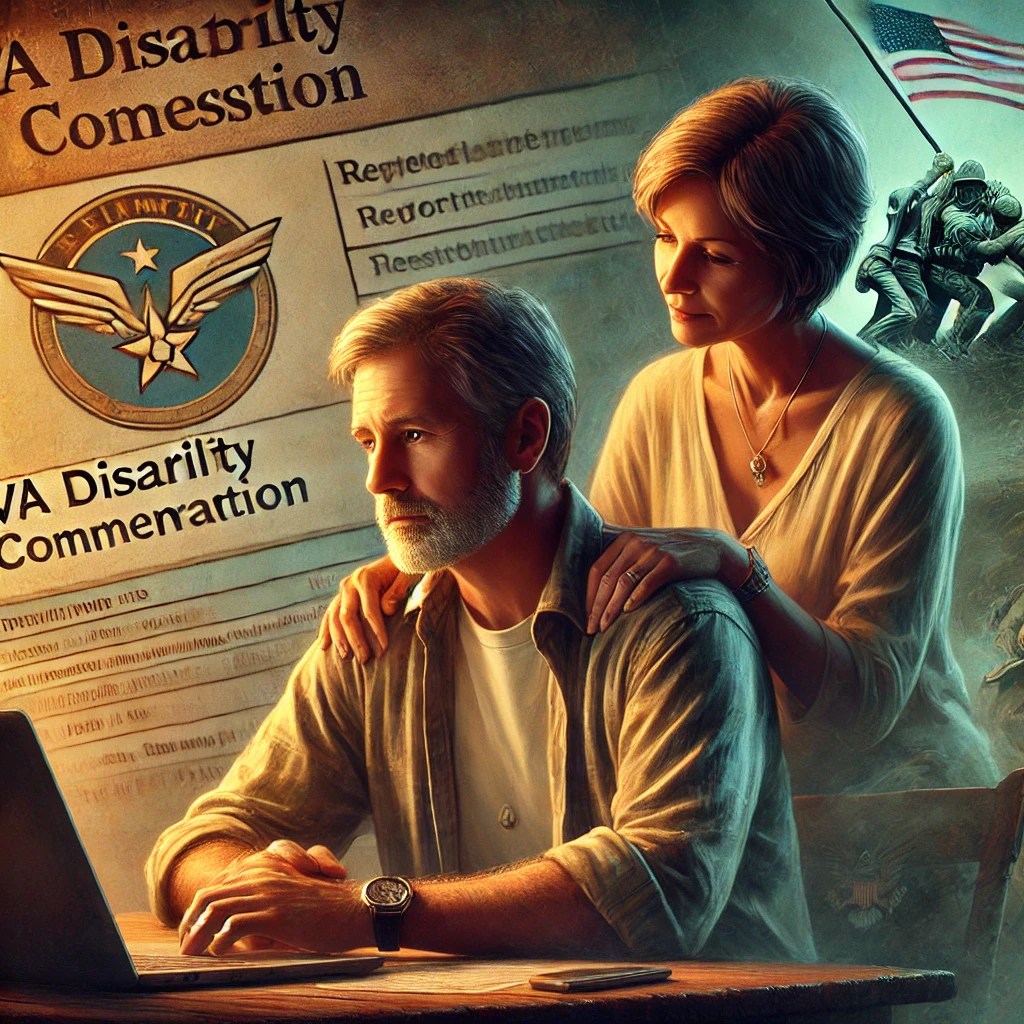
Yes, you can add evidence to a VA disability claim after it has been submitted, as long as the claim is still open (not yet decided). Great example, is you decide to have a provider complete the VAs DBQ as your medical evidence is limited and it was after you already pressed submit. Some claims take several months so you shouldn’t worry about not submitting it.
Here are your options depending on the stage of your claim:
✅ If the claim is still in progress (Pending / Under Review):
You can submit additional evidence directly via:
- VA.gov (log in → go to your claim → “Upload documents”) Only method I recommend
- Mail to: Department of Veterans Affairs
Claims Intake Center
PO Box 4444
Janesville, WI 53547-4444
(Use a VA Form 21-4138 or 20-10210 to explain what you’re submitting) - Fax: 844-531-7818 (for domestic) or 248-524-4260 (international)
- Mail to: Department of Veterans Affairs
Be sure to include:
- Your VA file number or SSN
- The specific claim it relates to
- A clear description of what the evidence is and why it’s relevant
If a decision has already been made: (you got your claim letter back from the VA)
You cannot just “add” evidence—you’ll need to take one of these steps:
| Scenario | Action | Form |
|---|---|---|
| You’re still within the 1-year appeal window | File a Supplemental Claim | VA Form 20-0995. do it online and your lay letters don’t have to be on the official form |
| You think a clear error was made | File a Higher-Level Review | VA Form 20-0996 do it online and your lay letters don’t have to be on the official form |
| You want a hearing with a judge (last last resort) | File a Board Appeal (18 months!) | VA Form 10182 do it online and your lay letters don’t have to be on the official form |
In all three cases, you can submit new evidence (except during Higher-Level Review, where no new evidence is allowed).
Hope this helps folks out there!

Doing the Right Thing
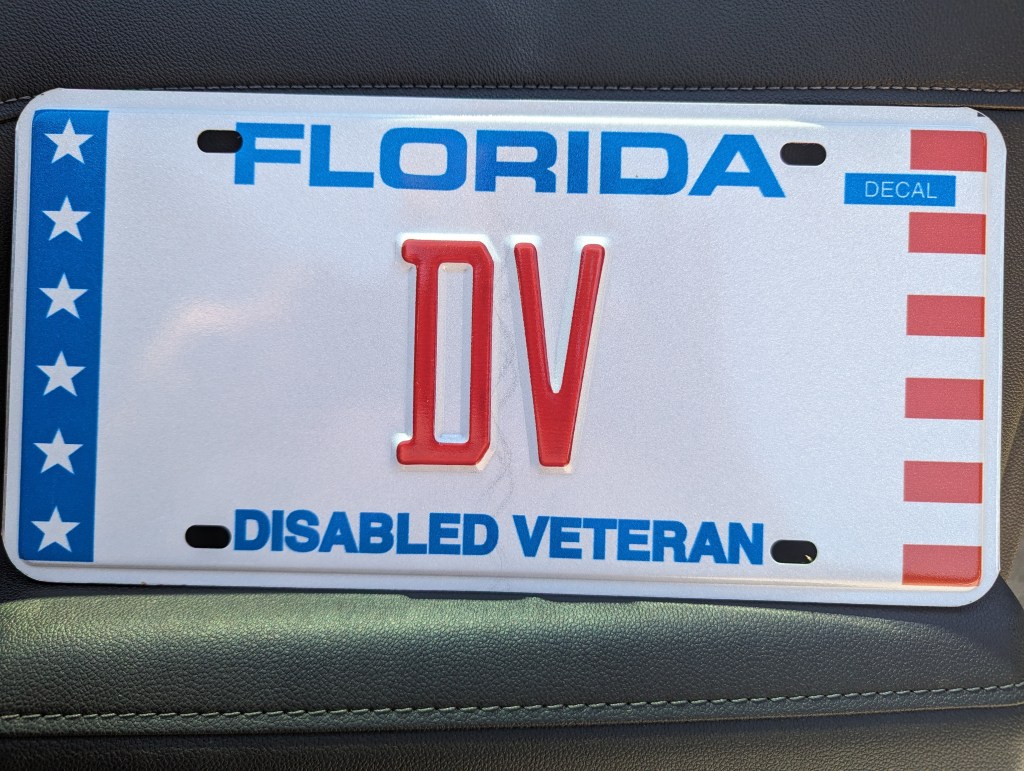
I was sweating, feeling sick to my stomach. I told the examiner and my wife that I couldn’t do this interview.
I left the secure sterile Veterans Benefits Administration office and went to the waiting room and began to pace. Thinking how I hated being here. How I was such a failure for even entertaining this stupid suggestion of reopening my disability claim with the VA after I listed to Jarmon.
I was trying to sell a BBQ Grill to Jarmon at a large chain home improvement store in early November 2023. I worked in the Inside lawn and garden department as the money from my corporate severance package had run out. My wife was only able to work part time as well as myself. My job search for over a year was fruitless. We cut everything we could from cable, yard service, no more going out to dinner, we reduced our health, life and car insurance but it was not enough. I had to bring in something even though I had military retirement and my VA disability to cover my bills and help my family. It was a hard landing for us as our great retirement plan went array.
Jarmon was solemn. He didn’t want to listen to my shtick I did in one form or another to sell BBQs to people. “Are you guys Bar-Be-Queuing this weekend? I wore a vest which represented military service to show to customers the corporation liked Vets. I pretty much knew he was Military because of our interaction and demeanor. Like a soldier knows an officer in or out of uniform. He said: “Thank you for your service but I’m not interested”. I said: “Thank you for your service”. He said: How did you know? I said, “I was in for 23 years so I know”. He laughed, and said; “What’s your my VA rating?” I told him, and he said; “you should be at 100”. I said: “I’ve heard that so many times but that’s just not a thing I want to do. He said, hey stupid this is not a gift or charity, and it’s not you scamming the government. This benefit is for your family and a grateful Nation, so get over yourself and help them. I laughed and said; “how are you so sure?” He said; “I work for the VA and this is what I do”. I advise veterans about this”. He said; “come to my office and I’ll help you”. I said: “Let me think about it”.
Regaining my composure I finally came back to the office. Jarmon, the Veteran Benefits Officer had tears in his eyes. I was scared something terrible had happened and I immediately internalized that it was something I did, or my wife told him I was a bad person as my mind went straight to the dark side.
My wife looked at me which meant to sit down. I did. Jarmon said he was upset and sad because the story my wife recounted about me was his story. He did not want to file. He did not want to appeal. He did not want to get help along the way. He was in a downward spiral. After several years someone out of the blue told him;” Hey stupid this is not a gift or charity, and it’s not you scamming the government. This benefit is for your family and a grateful Nation, so get over yourself and help them. In the long run you will get better for doing this.
I heard this before several times over the years, but that day and in that way it resonated. Hearing a CSM speak to me like when I was a dumb PVT back in 1988 again made it stick. “Tough love” is a good thing!
I appealed my claim 11 years after my first decision. Six months later and three one hour appointments I received my decision.
Now, my daughter will have the ability to go to a school of higher learning or vocation for a minimal sum. We will not have to pay property taxes allowing my wife not to work. The stress of getting care for my wife who suffers from liver cancer has been lifted. I can spend more time helping others in different ways while helping myself too.
I hope this true story helps any Veterans out there that need a good talking to.
Find the strength to do the right thing.


