Teach a Veteran to Fish
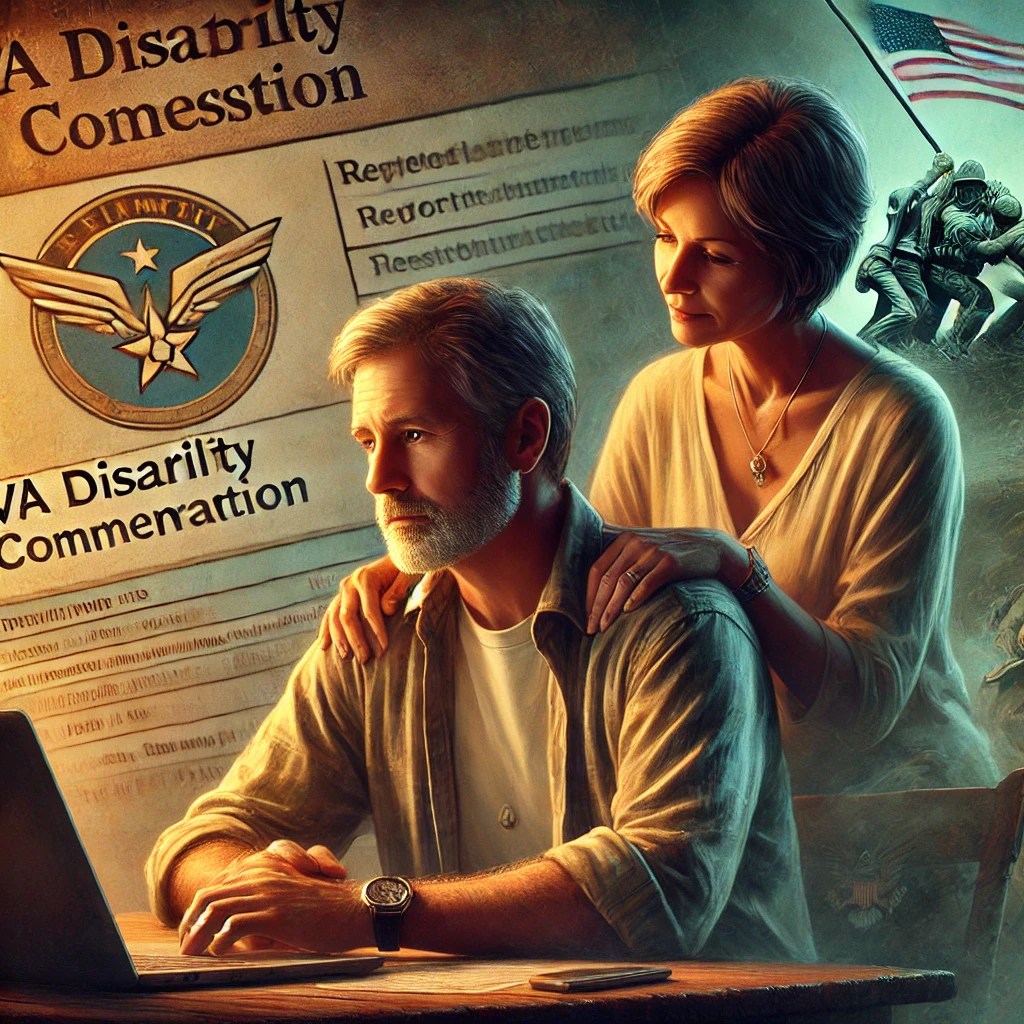
Recently, I had the privilege of helping another veteran who had retired from federal service after leaving the military before 2011. Like so many others, he was facing family challenges and decided it was finally time to look at his VA disability rating.
But he was afraid.
Not because he thought he wasn’t entitled to his benefits. He was afraid that if he opened the door again, the VA might reduce his rating. So for years, he simply left it alone.
A mutual friend from college introduced us, and we talked veteran to veteran.
I asked him a few simple questions: How old are you? What is your current rating? What conditions were originally service connected?
Then I asked him something he had never really considered.
“What if the VA simply missed something?”
The VA handles millions of claims. Like any large organization, mistakes happen. Sometimes conditions are overlooked. Sometimes veterans don’t claim everything because, when they leave the service, they’re focused only on what hurts the most at that moment.
In his case, we reviewed his VA decision letter together and found a condition that should have been claimed. He submitted the claim himself.
Within two weeks, his rating increased from 60% to 80%.
That gave him confidence.
Next, I asked him to do something I ask nearly every veteran to do: build a timeline of his military career and write down every injury, illness, exposure, and significant event he could remember.
As we worked through his history, we discussed secondary conditions—medical problems that develop because of already service-connected disabilities. He realized he had been receiving treatment for several of them for years without ever connecting them to his original service-connected condition.
Again, he filed the claims himself.
His rating increased from 80% to 90%.
At that point, I told him what I tell everyone.
“I’ve taught you the process. You know how to advocate for yourself now.”
Several months later, he called.
The VA had completed additional examinations, approved more secondary conditions, and he had reached a 100% disability rating.
Like so many veterans, he earned every bit of it.
No one wants the injuries, the chronic pain, or the emotional scars that come with military service. But when those sacrifices affect a veteran for the rest of their life, our nation made a promise to care for them.
Unfortunately, many veterans never even look.
They’ve heard stories about fraud or abuse. They worry they’ll be judged. They don’t want to seem like they’re asking for a handout.
The reality is that the overwhelming majority of veterans simply want to be treated fairly.
My philosophy has always been simple.
I don’t want to hand someone a fish.
I want to teach them how to fish.
I mentor veterans so they understand the process, learn how to gather evidence, write their own statements, and become their own best advocates. Then I ask them to do one thing:
Help the next veteran.
Imagine the impact if every veteran helped just one more.
Today, it’s estimated that roughly six million veterans who left the military before the widespread use of digital VA claims have never even had their disabilities fully evaluated. Many don’t realize that decades after service is often when conditions become significantly worse. Bad backs become arthritis. Knee injuries deteriorate. Ankles fail. Hearing loss progresses. Mental health conditions become more apparent with time.
Those veterans deserve to know they still have options.
Less than one percent of Americans have been willing to raise their right hand and volunteer to serve this nation, knowing that service could cost them their health—or even their life.
Seeking the benefits they earned isn’t taking advantage of the system.
It’s simply allowing a grateful nation to keep its promise.


Posted on July 27, 2026, in VA Disability Claim Assistance and tagged #consultingservices, #disabilityrating, #goals, #goodneighbors, #selflessness, #VA, #VAclaims, #VAdisabilityrating, #veterans, #VetsHelpingVets, #VSO, military, military mindset in crisis, Personalized business consulting services, VA disability, VA disability support, Veteran. Bookmark the permalink. Leave a comment.


Leave a comment
Comments 0