Blog Archives

Racing to Help Others
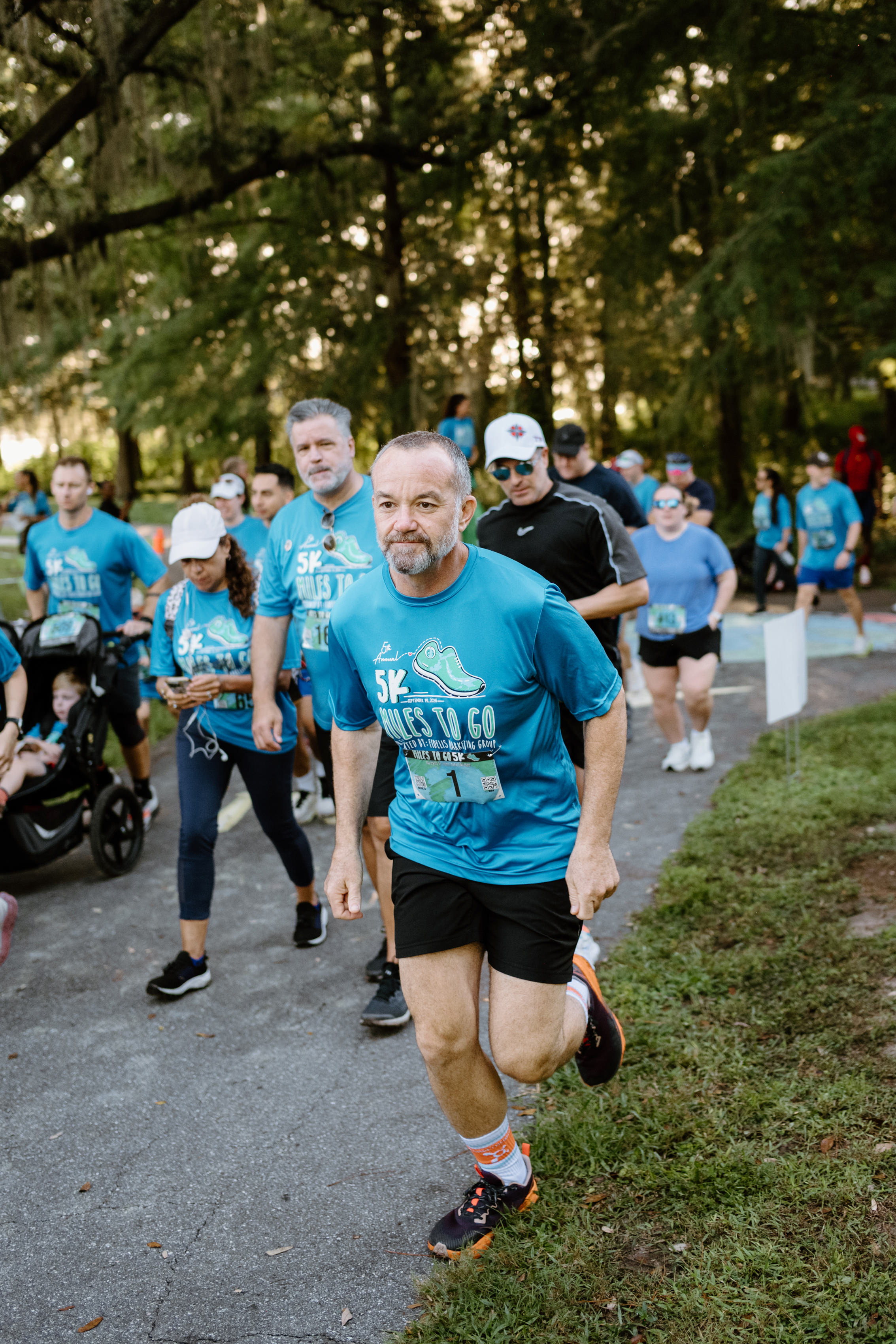
This was LOUJSWZ Inc.’s first promotion supporting Miles to Go, a local nonprofit helping people experiencing homelessness throughout Orange County.
What a great feeling it was to give back—not only by supporting such a worthwhile organization, but also by helping others participate in the race and contribute to an important cause. Seeing our community come together reminded me that even a small company can make a meaningful difference.
I am especially grateful to my clients. The work we do together provides the resources that allow LOUJSWZ Inc. to support organizations like Miles to Go. By trusting us to help improve their lives and businesses, our clients also help us give back and lift others toward a better place.
This race represented more than crossing a finish line. It was about community, gratitude, and putting our values into action.
Thank you to Miles to Go, every participant and volunteer, and especially our clients for helping make this possible. This may have been our first promotion supporting a charitable organization, but it will not be our last.
At LOUJSWZ Inc., success means more when it helps someone else succeed.
Area Beautification
In 1988, I arrived at basic training at Fort Jackson, South Carolina. Our command sergeant major—a tough, larger-than-life woman in what was then an overwhelmingly male environment—made an immediate impression on me. She was known to put her hand inside a toilet to make sure it had actually been cleaned. That tells you about everything you need to know.
One day, she stood in front of the formation and called out, “Are there any farmers out there? Any farmers?”
She wasn’t looking for agricultural advice. She wanted soldiers for her area beautification program.
I wasn’t selected, but for some strange reason, I always wanted to be part of it. In the Army back then, “area beautification” could mean painting rocks, picking up cigarette butts, pulling weeds or even cutting grass with scissors. Some of it seemed ridiculous, but there was a lesson behind it: take pride in where you live and work. Make your small piece of the world cleaner, more organized and better than you found it.
Apparently, that lesson stayed with me.
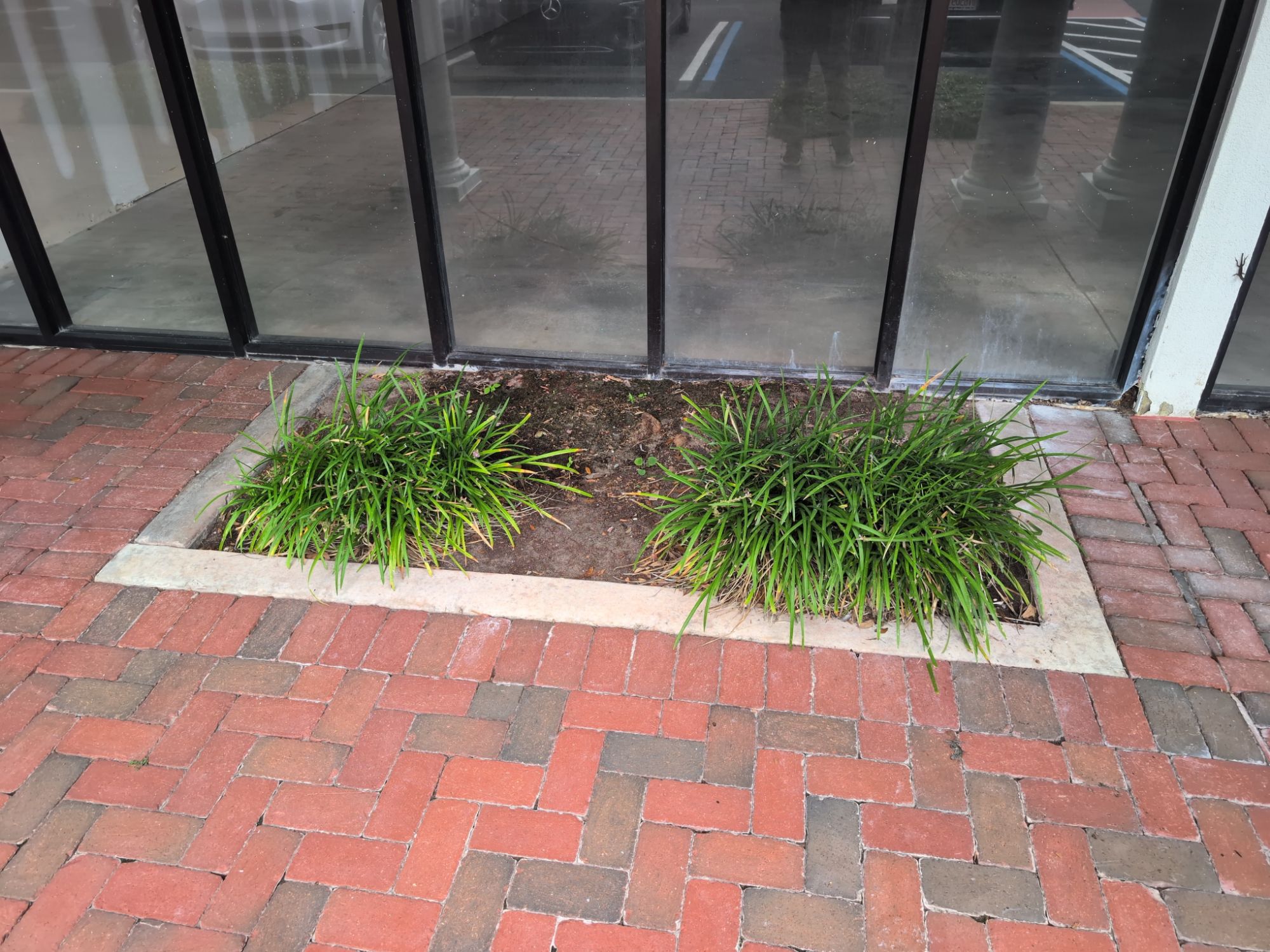
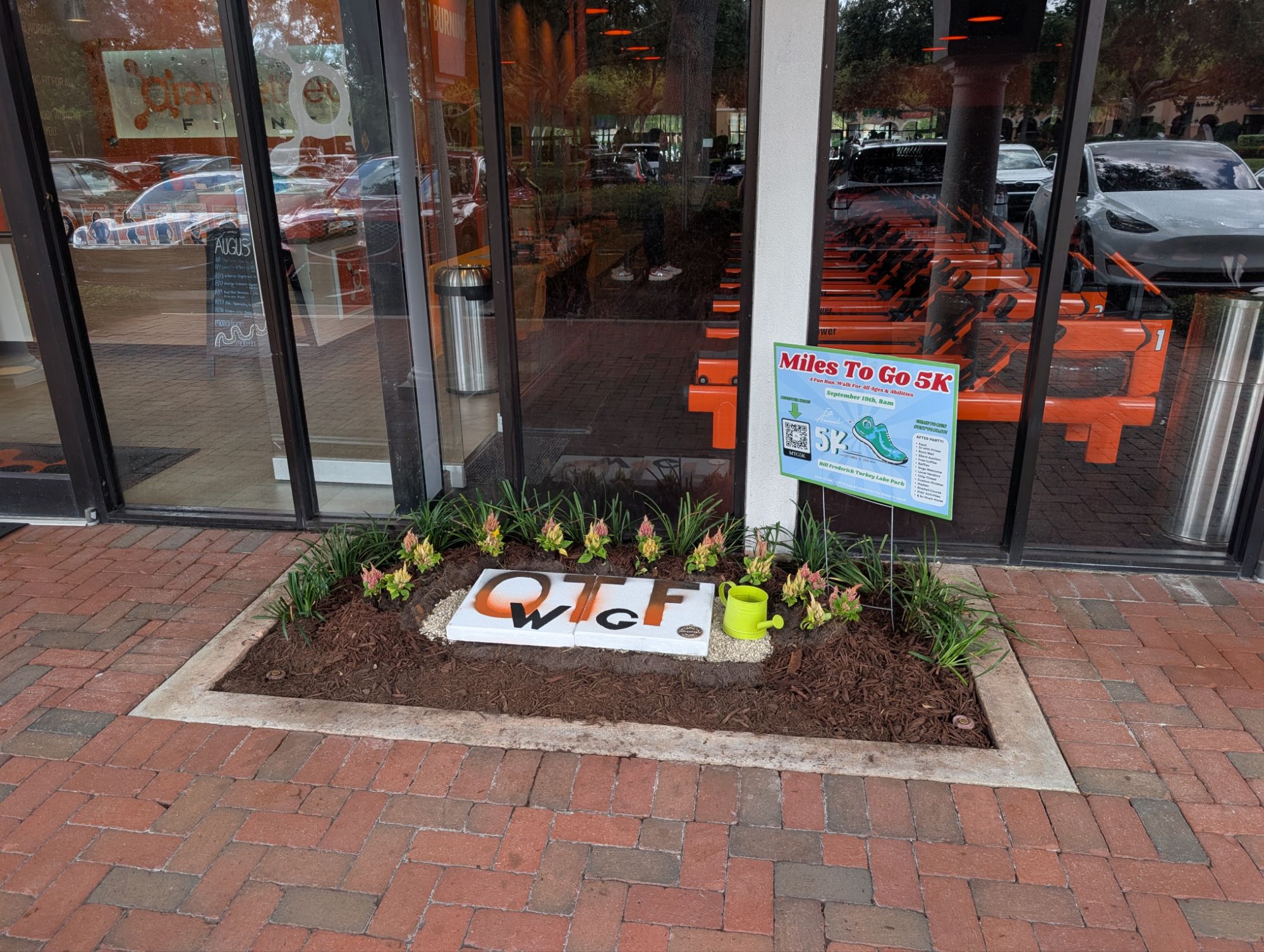
Recently, a woman I have known for seven years was promoted to lead the organization where I exercise. She was a friend of my wife, Sherri, and she also helped train my daughter. I wanted to recognize her promotion, but I didn’t want to simply give her a gift card or something that would soon be forgotten. I wanted to do something she could see every morning when she arrived at work.
So I finally joined the area beautification program—only about 38 years late.
I made a plan and spent about an hour and a half cleaning and improving the area in front of the building. I even created a small version of the organization’s symbol, hoping to add a little esprit de corps.
While I worked, several people stopped to tell me how nice it looked and how much they appreciated what I was doing. I didn’t explain the reason. I was simply cleaning up an area and making it a little more welcoming.
Leadership lessons often appear in the smallest actions. Leading by example does not always require a title, recognition or financial reward. Sometimes leadership is simply noticing something that could be better—and taking responsibility for making it better.
More importantly, the gesture made her feel appreciated. It brought people together, strengthened our sense of community and made the place we share a little more special.
And I felt pretty good about it too.
I guess that command sergeant major knew what she was doing after all.

When I think of Sherri,
The first thing I think about is her aura. Sherri had a golden aura, like a sunrise—quiet, calm, and bright, full of promise.
The first time I saw her in person was on our first date. It was at Seasons 52 on the perimeter in North Atlanta. I was sitting at the bar eagerly awaiting to finally meet her.
When I turned and saw her, I was struck by her refined, elegant presence and her physical beauty. I felt her aura immediately. I knew in that instant through her smile that there was something extraordinary about her. Yes, she was physically beautiful, but it was always so much more than that.
Long before I saw her face, I had already come to know her character through months of writing to each other through emails as we seemed so busy with life to meet. She had strength, depth, and a goodness that shined from within. I had read it in every email she wrote and this aura I felt proved it.
Her life shaped the strength that all of us came to admire. Born in Vietnam during the war in a U.S Army Hospital. She was raised in a family that through all the setbacks they never gave up on each other. Losing both of her parents in tragic accidents at a young age, she still rose above every hardship. She worked full time, cared for her siblings, and earned both her undergraduate and graduate degrees paying for her schooling herself. She never bragged about any of it as that wasn’t Sherri. She was a woman of action not words. Extraordinary in every way, yet humble enough to rarely speak of herself.
Sherri was the most patient person I have ever known, and when I say patient, I mean years, hell she was married to me. She saw the good in people even when others could not. She listened beyond words. That was one of her greatest gifts. No matter the country, culture, or language, people felt her kindness, her serenity, and her goodness. Animals felt it too. Every creature we had, naturally found their way to her. She made every living thing feel safe but she was also tough.
She was very tough, but always fair. That fairness is why she rose in positions at State Farm, where she led hundreds by her daily example of servant leadership. I still smile thinking about a day in Las Vegas working for State Farm. She was handling an accident claim for Andre the Giant. I think we all have heard of him but if you haven’t, he was a world-famous professional wrestler that stood 7 foot 10 and weighed 500 pounds. His Rolls-Royce had been hit, and he was furious that the rental car did not match the kind of vehicle he was used to driving. He demanded to come into the office and deal with her face-to-face. That poor fellow had no idea who he was dealing with. Our Sherri, never intimidated by anyone, calmly handled the situation and sent him on his way satisfied, I assume with a regular car that he was due. That was her—steady, fearless, fair, and always in command without ever raising her voice. She was strong without ever making a person feel small.
She had vision in everything she did—whether it was leadership, fashion, family, or the way she could see the ripple effects of decisions four and five levels deep. I used to say if I had known Sherri when I first came into the military, I would have been a four-star general, because she had that rare ability to bring people together and lead them without ever needing the title. She was the matriarch of our family.
I relied on her so much. To smooth things, I roughed up. To make it all better for us all. Everyone asked her without knowing to do that for them. She was our Sage. She just made us better.
In the hardest chapter of her life and her life was hard; she showed us all what true strength and love looked like.
I do not think you can fully understand her character until you understand what she endured in her final years. The pain she carried, the stoicism she showed, the way she kept smiling even in the most horrific moments and through it all she was still thinking and doing for others.
When her body was gone, she endured for her family to be here for as long as she could; she never never gave up. In the middle of her own suffering, she gave counsel from the bed side and listened to all of her friends and family while telling them everything would be ok. For the last year she could not walk, Her mouth was disfigured from the malignancies. She suffered six broken bones from the pressure, eleven hospital stays and surgeries, every movement was painful but she was always smiling. The last picture I have of her was with a Reese’s peanut butter cup and her smile the day before she died.
Sherri was my Briar Rose, my partner, my example of grace, toughness, fairness, beauty, and vision. She had a way of making people feel seen, heard, and loved.
Her life was not only beautiful in how she lived it, but in how she lifted every one of us around her.
And though her physical presence is gone, her aura—the same golden aura I felt the first time I saw her—still rises with us
and will always rise with us every new day.
May she rest in peace.

What is planted in love is rarely lost.
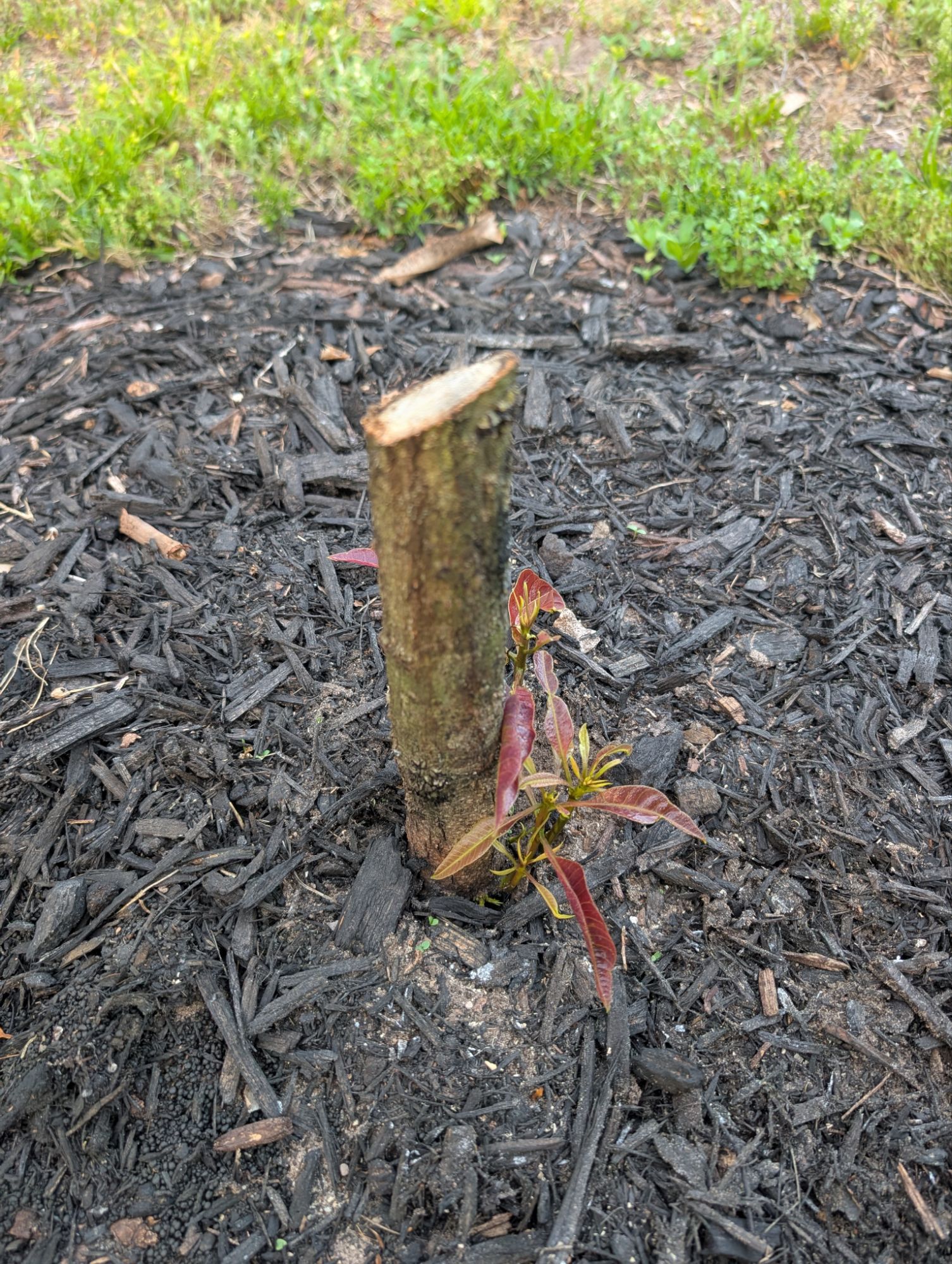
After the freeze, I posted a question on “Nextdoor” about our Kent Mango trees. I asked; are they beyond saving? They were so badly burned in the bitter frost even though I covered them and wet them. A gentlemen posted a response to cut them to the stump and they might grow back.
I hesitated for a month or two. I first cut the leaves, then the branches, then finally all the way to the stump. It’s been a month or two now, maybe even three.
I have lost track of time since Sherri has passed. I had given up on the two little Kent Mango trees. Her favorite variety. It took me months to find them for her.
Lo and behold, they’ve come back.
Sherri’s gone now.
I planted these trees for her. She did get to see them and they did even bloom once, but the frost killed them. But did it really? Like Sherri, they’re still here..
Like Sherri, everything she touched, is still here, still growing, still shining.
Her physical presence was touched by something so cruel and final, and yet what she planted in this world—through love, service, grace, banana bread, courage, family, and the way she made people feel seen—did not die with the frost. It remained in the roots of everyone she loved.
It will always be.

A Journey to Acceptance: My Eye-Opening Experience with Medical Marijuana
I was born and raised in Miami, Florida — in the middle of chaos and change. The city I grew up in during the 70s and 80s was a powder keg of race riots, refugees, and drugs. Miami was overrun — and that’s putting it kindly. Cocaine, marijuana, and the war on drugs were everywhere.
I never touched any of it. Not once.
It was a badge of honor, a personal vow. My father was a judge, and I took pride in the discipline that kept me away from substances that, to me, represented weakness and failure. I saw alcohol as adult, social, and controlled. Marijuana? That was for the lost.
For most of my life, I never questioned that belief.
But life has a way of testing the walls we build around our certainty.
When my wife’s illness began to take over our nights, sleep became hard. She was in constant pain, and nothing — not the pills, not the prescriptions, not the endless “next options” — brought her relief without a cost. Then one night, she tried a simple gummy. She slept through the night.
That experience made me aware — painfully so — of my own hypocrisy. While she found healing through a plant I had long dismissed, I was numbing myself each night with alcohol — not to enjoy, but to stop feeling, to force sleep. I told myself it was normal, acceptable, even earned. But it wasn’t helping.
It wasn’t until I was helping a client — a veteran — through her VA disability claim that the truth caught up with me. She confided in me about her fear of admitting she used marijuana to manage anxiety and sleep. I told her what I believed: that she shouldn’t be ashamed, that seeking help isn’t weakness, and that medical care, when legal and responsible, is private and protected.
Then it hit me like a mirror.
How could I coach her toward honesty and healing while denying myself the same?
That same day, I called my wife’s physician, scheduled an appointment, and applied for my medical marijuana card. Since then, I take a gummy every night. I sleep. I think more clearly. I drink less. I feel present.
My view has changed completely — not because of politics or persuasion, but because of experience. What I once called weakness, I now see as wisdom. The real weakness was refusing to see past my own judgment.
In Florida, medical marijuana has been lawful since 2016. But for me, it only became personal when life humbled me enough to listen.
The more I experience life, the more I understand that nothing truly changes until we become aware. Awareness brings empathy, and empathy brings wisdom. And wisdom — I’ve learned — is not the privilege of youth, but the product of life lived honestly.


What will my life be like in 3 years?
I dare not answer the question.
That was my first response when someone asked where I see myself in three years. Without hesitation, fear stepped in — not fear of failure, but fear of imagining life beyond now. Beyond her.
Yesterday, my wife finalized her cremation plans. I’ve done this before — for my sister, for my father. Each time, it became a necessary transaction. Paperwork, signatures, polite condolences exchanged over a table that felt too small for the weight in the room. The funeral director came to the house. We completed the forms. She paid for her services. Efficient. Respectful. Businesslike.
It’s best to do this before it happens, they say — so there’s one less thing to cause anxiety and pain.
But is that really true? Or is it that I just didn’t want to do this again?
Because the truth is, no matter how many times I’ve faced loss, I still don’t know how to prepare for it. I can manage logistics, but not emotions. I can sign the papers, but not the permission slip to move forward.
When I think about the future — traveling, my children, my new grandbaby — I feel guilty. There’s a horrible tension between the yearning to be free and the desperate wish for this stage of life to never end. How do you reconcile wanting relief and wanting permanence at the same time?
Maybe that’s what being human really is — living inside the contradiction.
We spend our lives trying to control time, plan for tomorrow, build systems, write goals. But life keeps reminding us it doesn’t belong to us. It moves with or without our consent.
Three years from now, I don’t know where I’ll be. Maybe I’ll be standing somewhere new, lighter but not the same. Maybe I’ll still wake up some mornings expecting to hear her voice. Maybe I’ll finally find a kind of peace in the not-knowing.
Because the truth is, none of us can control life. We can only honor it
Where will I be in 3 years…..

It Takes a Village: The Realities of End-of-Life Care
Yesterday was one of the hardest days yet. My wife, Sherri, whispered that she wished for death. Her pain was unbearable, even through layers of medication. Her bed sore reopened, two abscesses formed in her mouth, and the ache from her brittle bones and unhealed surgical site—after eight surgeries, two wound vacuums, and countless antibiotics—was relentless.
We took her to the dentist, who could do little more than write a referral to an oral surgeon. In that moment, I realized what Sherri already knew: sometimes, the course of care no longer offers a path worth taking. The procedures, the pain, the waiting—none promise comfort or meaningful recovery.
Yet, it takes a village. Her sister, her cousin, and her circle of friends have become our lifeline. Their presence gives her strength. She lights up when they visit, laughs, and feels alive again. But the cost is steep—those moments of joy are followed by hours of exhaustion and pain. Now, every visit, every appointment must be weighed against what it will take from her.
I see couples in the hospital—older than us—one sick, one trying to navigate the maze of care while barely able to support themselves. Too often, they end up alone in nursing homes, fading quietly. I’m grateful I’m still strong enough to help Sherri, even if I know there will be a toll later.
End-of-life care isn’t about heroics or procedures—it’s about presence. It’s about conserving what’s left of the body’s strength and surrounding the spirit with love. The truth is, medical science can extend life, but only community—family, faith, and friendship—can make it worth living.

When Love Meets the Machine
Day eight of what was supposed to be a three-day stay.
That sentence alone tells you everything about the state of modern healthcare.
As the disease progresses, it creates complications. Those complications summon specialists—each skilled, each confident, each siloed. They gather to form what they call a “care team,” but to the family it feels more like a committee meeting in slow motion.
Every decision takes time.
Every delay steals time.
Consensus becomes a currency that the patient can no longer afford to spend.
To them, this is process.
To us, it is life slipping away.
I find myself fighting thoughts I wish I didn’t have—the kind that whisper that the longer they keep her, the more they bill. That every new consult means another code, another line item, another form. I hate thinking that way. But when you’ve seen the system from the inside, you know how profit hides behind protocol.
Now, her body bears the evidence of the wait—bedsores, failed IVs, and pain so sharp it carves through every ounce of composure. Even the specialists with ultrasound guidance can’t find a vein. The solution: another procedure, another trip to the OR for a Hickman line. More anesthesia. More risk. More time.
And through it all, one question hangs in the air like a prayer caught in the static of bureaucracy: Can she just come home?
But to come home requires insurance approval, a signature in a portal, a code entered correctly. Somewhere between the nurse’s station and the insurance carrier, humanity gets lost. They don’t see her tears or hear her moans—they see a “case.” A “chart.” A “treatment plan.” While we watch the clock, waiting for Dilaudid that’s overdue and for someone—anyone—to notice that time is the one thing she doesn’t have.
This is what it feels like when love collides with a machine.

Profits Over Patients: Why the Insurance System is Failing Families
The health insurance industry has mastered one thing above all else: delay. What should be a simple claim submission turns into months of bureaucratic limbo, hidden behind jargon like “not yet built” or “waiting for processing.” These phrases disguise the truth—that while families wait for critical financial support, corporations sit comfortably on record-breaking profits.
We are told to expect 15 business days just for a claim to be reviewed, then another 30 to 60 days for processing. In the meantime, representatives admit that claims often sit in inboxes, unseen, until patients themselves call to shake the system awake. And yet these same companies proudly announce hundreds of millions in net income, raising their performance outlooks. The disconnect could not be starker: efficiency for shareholders, inefficiency for patients.
This is not a matter of capability. If profits can soar, systems can be fixed. More staff can be hired. Processes can be modernized. But the lack of urgency shows where priorities lie. Patients and families are left to wait, wonder, and absorb the financial strain—all while the corporations built to serve them choose margin over mission.
And this isn’t an abstract critique. This is personal. The claim in question was for my wife’s electric wheelchair—a necessity, not a luxury—purchased on June 9th. It cost more than $2,000. I wrote about it on June 23rd in my blog post “In the Blink of an Eye: Grace in the Midst of the Unthinkable”, where I shared how something as simple as mobility could restore dignity in the midst of suffering. Months later, the claim has still not been processed. Letters arrive contradicting what agents say, and the only reason any progress happens is because I chase it down.
For families like mine, these delays aren’t just numbers on a balance sheet. They are nights spent worrying, bills that pile up, and faith that slowly erodes. Representatives on the front line may show compassion, but they are trapped in a system designed to stall. Until the industry prioritizes people over profit, these “micro” frustrations will continue to echo the much larger, systemic failure of our healthcare system.
You can read the June 23rd post here: In the Blink of an Eye: Grace in the Midst of the Unthinkable

The Front Lines of Cancer
Yesterday, we reached acceptance. Not surrender — not quitting — but an understanding: this cancer is incurable. It continues to spread slowly, like a snake coiling itself around its prey.
And yet, in the middle of it all, there is beauty.
Our youngest is in high school now. She wakes up on her own, gets ready, eats breakfast. She is excited about life. She’s playing lacrosse, wants to go to practice, wants to do well in school. It’s such a good time.
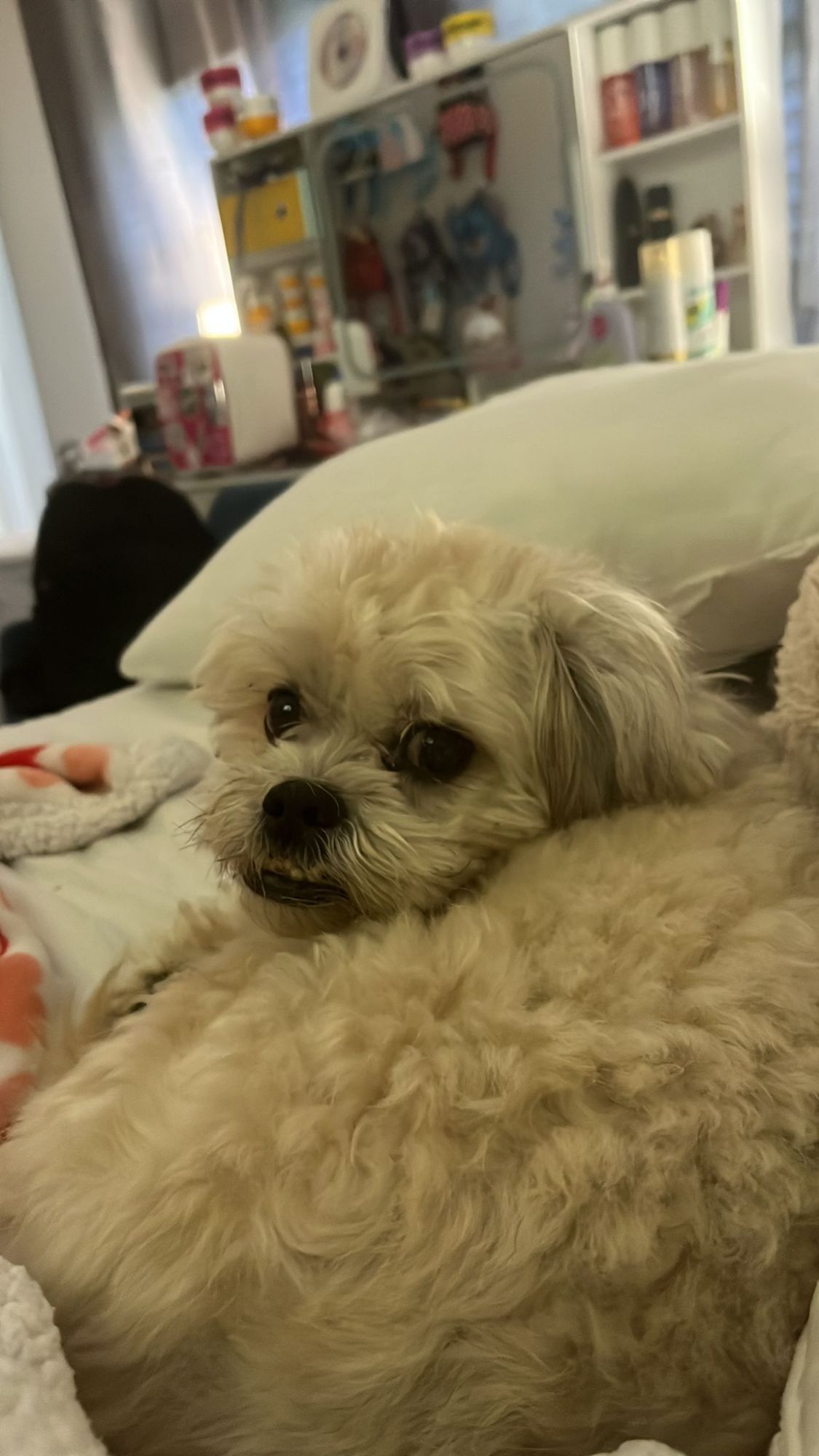
The other night, my wife told her that she wanted her to have her wedding ring. Tears came, but then laughter too, as our daughter said it was too small for her finger. Somehow, the moment turned to a joke about making it into a “grill” for our dog with the terrible underbite. This is life and love — sorrow and laughter tangled together.
This weekend, our oldest came home. She’s about to start graduate school after years of working. She asked her mother, “Are you going to die?” My wife, steady as ever, said: “I will — but I don’t intend to do it soon. You need to go to graduate school and live your life. This is your dream. Keep going.” Then she gave her the diamond pendant we had made from her mother’s stone. They cried for hours.
One of our sons is getting married in October and then heading into the military. We already have our plane tickets and hotel. No setbacks. We will be there. We’ve become experts in travel planning and stress mitigation, as Sherri can only manage about two hours of chair time a day. No setbacks — we so want to be there.
And then there’s our granddaughter. Just 18 months old, already going down slides. We watched the video of her laughing all the way, and it filled us with joy.
It is a wonderful time.
That might sound strange to say, but it’s true. In these trying days, every moment of laughter, every milestone, every piece of ordinary life feels even more precious. The weight of suffering sharpens the beauty of joy. And when you know that time is short, you hold tighter to the moments that matter most.