Author Archives: LOUJSWZ Inc.

Revenue: The Lifeblood of Every Business
As a small business owner and fractional executive for two other small businesses, one lesson stands out above all: nothing matters without revenue. You’re not even in business if you don’t generate revenue. It’s the foundation, the validation of your ideas, and the fuel that keeps everything running.
A few years ago, I left the stability of Corporate America to chart my own course. It wasn’t a straight path—it was a journey of trial and error, an exploration to find my next great “work thing.” Along the way, I worked in retail, call centers, consulting, and eventually landed in my current role as a fractional executive. Through this journey, I learned one critical truth: your business model must align with generating value and translating that value into revenue.
From Stability to Uncertainty
For most of my adult life, I enjoyed the comfort of a regular paycheck—monthly or bi-weekly deposits that arrived like clockwork. But when I stepped out on my own, I made a conscious decision to trade stability for the uncertainty of risk and reward. I shifted my approach from being a retained resource to someone who gets paid only when I generate value for the company.
As a self-proclaimed change management “expert,” embracing this shift became an objective in itself. The transition wasn’t easy. Even with the privilege of not living paycheck to paycheck, the mental adjustment was profound. The stakes were higher. The challenges, more personal. But I leaned into the discomfort, using my love for risk management and mitigation to navigate the uncertainties.
Revenue First, Always
In my role as COO for a talent acquisition company, the mantra is clear: if we don’t “fill roles with quality souls,” we don’t eat well. All the talk about CRMs, KPIs, and business plans is just that—talk—until revenue rolls in. My CEO reinforces this every day, and it’s a message I’ve fully embraced.
Recently, after more than a year of building our structure, processes, client relationships, marketing strategy, operations, and brand, we placed our first two candidates—our first two “quality souls.”
It was a milestone worth celebrating, not just because of the hard work it took to get there but because it validated the value we’ve worked so hard to create.
Revenue isn’t just about dollars in the bank; it’s about demonstrating value to your customers. It’s the ultimate proof that your business matters.
A Moment of Reflection
When the placements were confirmed, I celebrated in my own quiet way. My wife, who is bravely battling a severe illness, couldn’t join me for a glass of champagne or outing. So, I went outside, looked up at the full moon, and allowed myself a moment of gratitude and reflection.
I told myself: I can still do new things. I still have value. I will continue to grow.
I thought about the journey I’ve been on—from the stability of Corporate America to the ever-changing landscape of entrepreneurship. Revenue is the lifeblood of my businesses, but it’s also a symbol of something deeper: the ability to adapt, create value, and prove to yourself that you’re still growing, still evolving, and still capable of new achievements.
Lessons Learned
For anyone considering a similar leap, here’s what I’ve learned:
- Revenue validates your business. Until you make money, you’re just planning.
- Risk and reward go hand in hand. Stepping away from a steady paycheck is hard, but it forces you to focus on creating value.
- Celebrate every win. Even the small victories matter—they’re milestones in your journey.
- You’re never done growing. Every challenge, every risk, and every success adds a new layer to your personal and professional growth.
If you’re considering stepping out on your own or are in the trenches of entrepreneurship, remember: it’s all about the value you create and the revenue that value generates. Everything else is just details. Keep pushing, keep learning, and keep growing. The full moon will be waiting to remind you of your progress.
Finding Silver Linings in Unexpected Places
Life is unpredictable, and sometimes, the most unlikely situations reveal hidden blessings. Recently, I found myself navigating one such experience when COVID paid me an uninvited visit, but looking back, I see it as a moment of grace rather than misfortune.
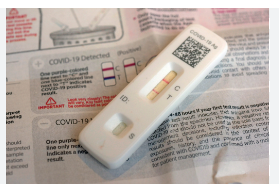
On my way back to the hospital to be by my wife Sherri’s side, I began feeling unusually nauseous and headachy—a combination I’d never quite experienced. Despite being vaccinated and boosted, I followed my instinct to take a COVID test from the government-supplied kit Sherri had thoughtfully kept on hand. As soon as the liquid hit the strip, it confirmed my suspicion: positive.
Thankfully, we quickly tested everyone in the house, and Sherri was tested in the hospital. To our relief, all came back negative. Knowing I had listened to my wife’s advice and taken the test before exposing her to any potential harm was an overwhelming relief, especially considering her delicate health. Sherri’s fight with cancer has already brought so many challenges, and the last thing I wanted was to bring her more suffering.
As a veteran, I’m fortunate to receive care through the VA. They directed me to a local urgent care where I received a prescription to help alleviate the symptoms, but as I headed home, I faced another realization: it wasn’t safe to stay there. With extended family who had relocated from California to be with us and Sherri hopefully coming home soon, there was no choice but to get a hotel and isolate—my son humorously dubbed it “COVID jail.”
Isolation is not something any caregiver welcomes. For months, my days have revolved around taking care of Sherri, supporting her as she smiles through excruciating pain and endures round after round of chemotherapy. Yet, as I sat alone in the quiet of my hotel room, I realized how thankful I am for our extended family who stepped up in a way we could never have expected. They moved their lives across the country to help Sherri through her battle, filling in gaps that even the best of friends couldn’t manage long-term. Their presence has been an incredible gift.
In those quiet hours, I found myself thinking of everything my wife and I have been through, of the strength it takes to provide care day in and day out, and of the incredible people who have supported us on this journey. The forced solitude gave me a chance to regroup and recharge—a luxury many caregivers don’t get.
This unexpected turn of events became a blessing, one that reminded me of the importance of family, community, and listening to that inner voice, especially when it comes to caring for the ones we love. Even when life seems difficult or bleak, we can still find silver linings if we take a moment to look.
The Strength Behind the Smile: A Tribute to My Wife
My wife is the kind of person who rarely flinches in the face of pain. When she gave birth, she didn’t shed a single tear. Once, she put an electric screwdriver bit through her thumb and only calmly said “ouch” as blood ran down her hand. To say she has a high pain tolerance is an understatement.
But for the past several days, I’ve seen her cry in agony. Her knee, swollen and unbearable, felt as if someone was relentlessly striking it with a ball-peen hammer. When her oncologist saw her on Monday morning, I could see the sorrow in his eyes—35 years of service, and he had never witnessed something like this. Her knee was so swollen that he immediately decided to admit her and called in an orthopedic surgeon to review her MRI. Despite everything from Tylenol to a Methadone drip, nothing could touch the pain.
The next morning, without anesthesia, the surgeon withdrew a yellowish fluid from her knee. It was the first relief she’d felt in days. A few hours later, the palliative care physician switched her to a morphine drip, and finally, her pain was brought down to a manageable level. Unfortunately, the damage was already done—the fluid had put so much pressure on her knee that it cut off the blood supply, causing part of the bone to die and partially fracture.
Now, my little warrior hops to the bathroom and back to her bed. Her third round of chemotherapy didn’t work, and tomorrow she’ll begin her fourth type through a second port after the first one became infected and had to be removed. It feels overwhelming, insurmountable at times, but she keeps smiling through the tears.
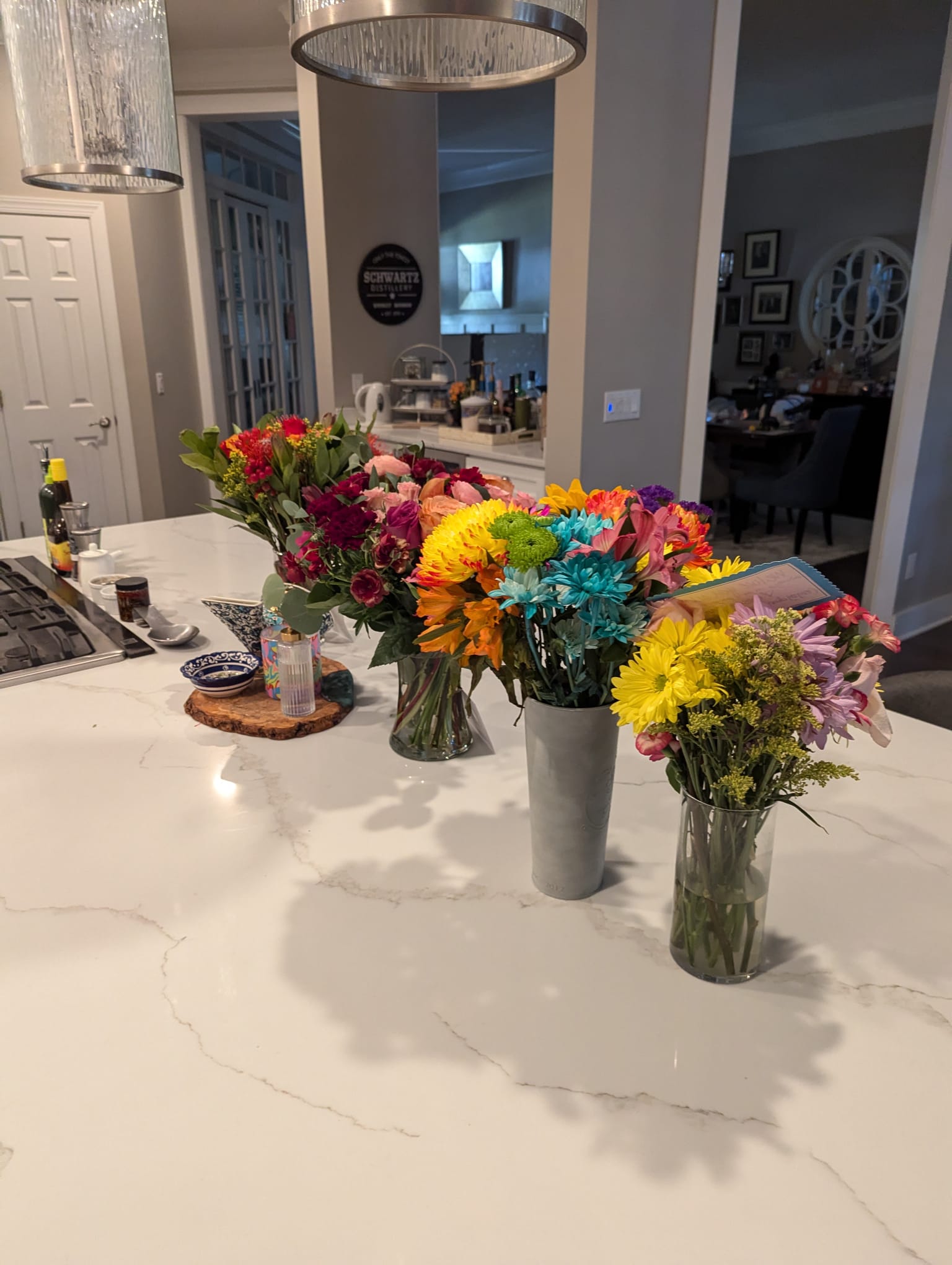
We are surrounded by love—family, friends, co-workers and even strangers send prayers, food, flowers, and help get her to appointments. No one is giving up on her. Even though she sometimes says she can’t go on, she does. We love her so much, and her strength and resilience continue to amaze us all.
She is a testament to the human spirit’s ability to endure, and no matter how impossible the battle may seem, we are all standing by her side. She fights, she smiles, and we love her more every single day.


Finding Strength in Service: A Caregiver’s Reflection
Being a full-time caregiver for my wife is the most important responsibility but it’s also one of the hardest roles I’ve ever had. Seeing someone you love suffer, day after day, is incredibly painful—especially when there’s little you can do to alleviate it.
Recently, I had an opportunity to step away for a day because of our extended support network to help my friend who had been devastated by Hurricane Helene. It left his property with 28 inches of seawater inside for a day before it reseeded. The building, which had been his father’s, housed precious treasures—hunting, fishing, and woodworking items that carried irreplaceable memories. Just months after losing his father, and after days of working tirelessly to clean up the mess, he was physically and emotionally drained.
I went out to help him—tearing down soaked drywall, hauling out ruined insulation, and salvaging what we could. For the first time in a long while, I was able to make an immediate impact. I wasn’t just sitting helplessly on the sidelines. I was doing something tangible, and it felt incredible. His family’s gratitude lifted me, but more than that, it reminded me of my own strength.
Caregiving is exhausting. Watching my wife day by day drains the soul. But helping my friend gave me back something I didn’t even realize I was losing: a renewed sense of purpose. Yes, being there for my wife is an act of love, but stepping into the storm-ravaged aftermath of Hurricane Helene reinvigorated me. It was as if this moment of service gave me back a piece of myself—a part I desperately needed to continue being strong for her.
Sometimes, finding strength in unexpected places is exactly what we need to carry on. I’m grateful to have been able to help my friend, but more than that, I’m thankful for how that day helped me be a better caregiver for my wife. After all, to give love and support, you have to make sure you’re not completely depleted yourself. Hurricane Helene may have wreaked havoc, but in a strange way, it also became a catalyst for renewal. It reminded me that even when the storm seems endless, there’s always a way to find hope and purpose again.

Embracing Passion Over Paychecks: A Personal Reflection on Life’s Journey
Over the last few months, I’ve found myself stepping into a role I hadn’t fully anticipated. As the VP for federal sales for a small group of companies that have been serving in transportation, warehousing, and logistics for over a century, I’ve been reflecting on what this decision has meant for me. In sharing these reflections, I hope to offer some insights to others, whether in their professional or personal lives—because, in truth, I no longer see a difference between the two.
It’s worth mentioning that calling this a “decision” seems almost inaccurate. It wasn’t something I fell into by accident, nor was it a clear-cut plan. Instead, I see it as the culmination of a philosophy I’ve only recently embraced: follow your passion, not the money. I’ve come across numerous interviews and stories from people who seem truly content with their lives. A common thread ties them together—don’t chase the paycheck, chase what you love. “You reap what you sow,” after all. I think I’m finally living by that belief.
Looking back, I never imagined I’d be in this position. All I wanted was to help an old friend from 35 years ago with his business. I reached out to him regularly, offering help, driven by a desire to see him succeed. Eventually, he said, “Alright, Lou, I’ll go with you.” I didn’t do it for money; in fact, I would have done it for free. Helping the business grow—and more importantly, helping the people within it—was fulfilling in a way I hadn’t expected.
Of course, most of us need money to survive. But the question that lingered for me was: how much do we really need? I realized that contentment isn’t as tightly tied to finances as I once believed. It was the sense of accomplishment—knowing that something my friend had struggled with for years was finally within reach. We succeeded in months, and from that moment, I was asked to do more. I did, and I loved every minute of it.
For someone who hasn’t been a big risk-taker, the move to working entirely on commission was a leap of faith. I had to trust in myself, in my ability to succeed, and in the joy I found in the work. It felt new, refreshing—even exhilarating. It reminded me of my younger years when I served as an officer and truly loved what I was doing for my country. That feeling of purpose and fulfillment has returned.
I sometimes wonder why I didn’t take this path sooner. But at the same time, I’m grateful that I found it now. I’m not sure where this journey will lead, but what I do know is that embracing this new direction has left me feeling more at peace—with my decisions, with myself, and with my life.
In the end, that’s all we can hope for: to find joy in the work we do and contentment in the life we live. I’m grateful for the path I’m on, and I hope others find their own passions, too—because once you do, everything else seems to fall into place.

Divine Intervention in the Everyday: Lessons in Caregiving, Love, and Community
I never imagined I’d need to use a handicap space. When I received my 100% VA disability rating, I made a silent promise: I’d never park in those spaces. I felt strong and capable, able to walk to and from the store without issue. Florida even offers free license plates for veterans like me, allowing us to park closer to ease movement, but I couldn’t foresee a time when I wouldn’t be able to make it in and out of Publix on my own two feet.
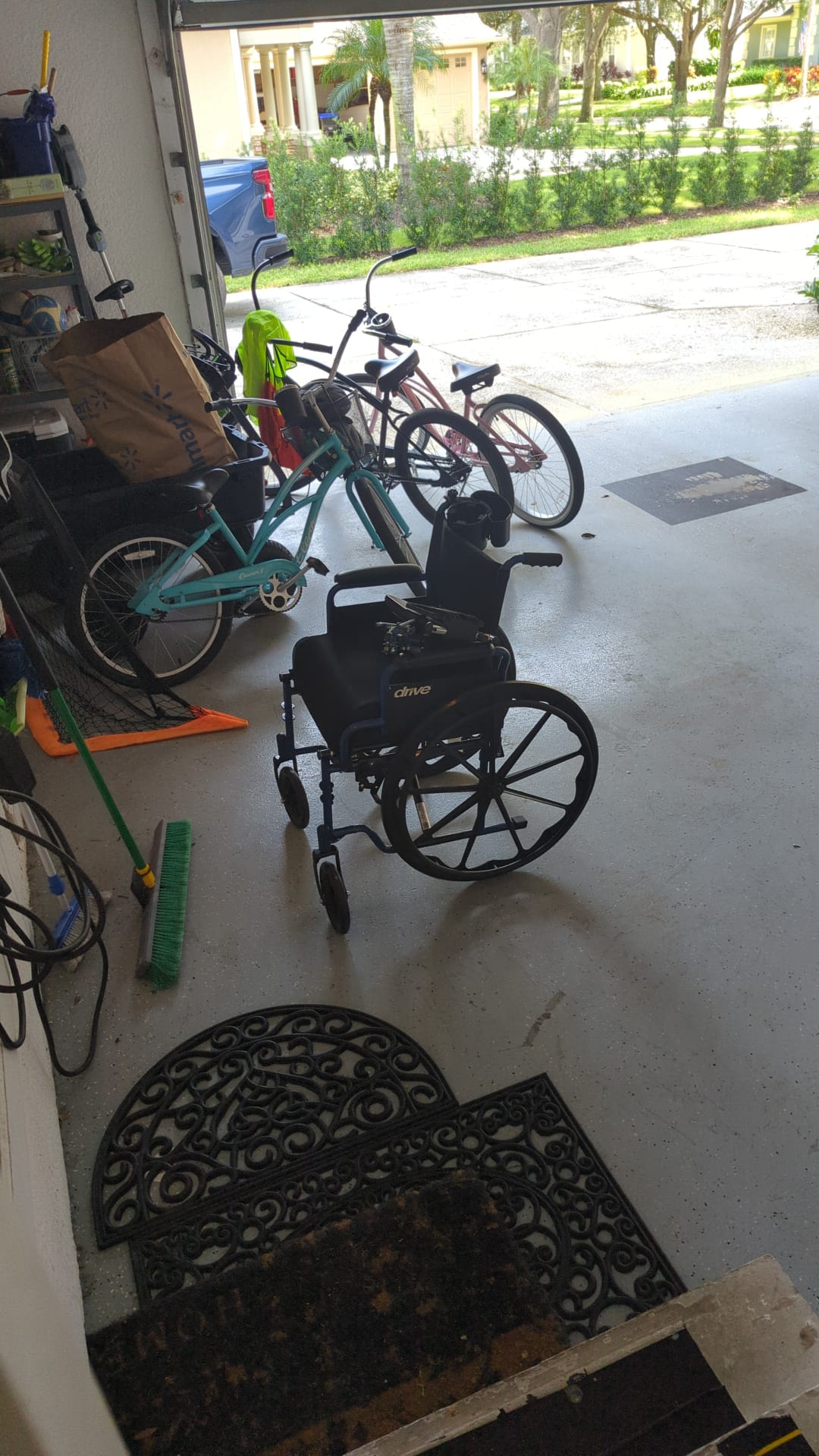
But life has a way of humbling us and revealing new perspectives. I recently found myself borrowing a wheelchair from our neighbors for my wife. She is fighting cancer again, and chemotherapy has made her legs ache with a pain. She is much like my father—strong-willed and independent, reluctant to ask for help or accept it. It’s one of the things I love most about her, this tenacity and resolve to live life fully on her terms. Yet, there are moments when emotion trumps logic, and she insists on walking, only to end up soaking her aching joints in a bathtub at 3 a.m.
Today, as I wheeled her around, I saw things differently. For the first time, I saw the purpose of those license plates I had so casually dismissed before. In a way, I felt the hand of God gently guiding me to see a deeper truth—that we all need help, and we will all be caregivers at some point in our lives. Rosemary Carter and Elizabeth Dole taught me this lesson, but life has reinforced it repeatedly.
I remember my father’s journey. A proud man, old school in every way, he despised the thought of using a wheelchair. For two hard years, he resisted help as he made his journey home, never once wanting to appear weak or dependent. I see so much of him in my wife now. She, too, is not accustomed to accepting help, yet her strength lies not just in her independence but in the love and resilience she shows every day, even through gritted teeth and stubborn defiance.
Our neighbors, older friends who have always been there for us, offered their wheelchair without a second thought. It’s moments like this that remind me of the power of community, of being a good neighbor. We help each other, not because we have to, but because it is a reflection of love, of being there when needed, without question or hesitation.
Sometimes, the carefully curated Instagram smiles need to be set aside so we can face reality. Life is not always picture-perfect; it is messy, challenging, and often painful. But it is also filled with grace, with moments of divine intervention that remind us of our purpose and our place in the world.
Today, my license plate makes sense. I see God’s plan unfold in the most unexpected ways. I am here, not just as a veteran with a rating but as a husband, a caregiver, a neighbor, and a servant of love. My wife’s determination to live life fully, even when it means being a little grumpy about the wheelchair, is a testament to the spirit we all share—the spirit to keep moving forward, to love fiercely, and to serve selflessly.
So, I embrace this role, this chance to support her in her journey, however she demands it. And in doing so, I see that God is indeed at work, weaving all these threads—divine intervention, caregiving, love, selfless service, and community—into a beautiful tapestry that is my life.
A Veteran’s Journey: Overcoming Fears and Finding Support
Helping veterans get the VA benefits they deserve can be challenging, especially when they feel uncertain or worried about the process. Recently, a close friend of mine, a Purple Heart awardee, experienced a life-changing outcome by appealing his VA disability rating.
After retiring more than a decade ago, my friend was stuck at an 80% disability rating. For years, he expressed the same concerns I hear from so many veterans:
- “I don’t want to game the system.”
- “I only served a few years; I don’t deserve more.”
- “There’s nothing seriously wrong with me.”
- “I hate dealing with anything related to the government.”
But after speaking with him many many times and seeing the success of other veterans I’ve helped (5), he finally decided to take the next step. Here’s what he did:
Key Steps That Made the Difference:
- Getting the Right Help:
I suggested he visit his State VHA Representative. It was a crucial step that made sure his appeal was handled correctly and with all the necessary documentation. - Using What Was Already There:
Since he already had a disability rating, most of the needed information was already on file. He only needed to add a few things that were missed earlier, which made his appeal smoother and quicker. - Knowing Where and How to File:
The outcome of an appeal can often depend on where and how you submit it. Making sure all the paperwork was accurate and complete helped speed up the process. - Pushing Past the Emotional Hurdles:
Many veterans feel anxious about appealing, thinking it’s somehow dishonorable or that they’re asking for too much. But these benefits are not a handout—they’re earned through service and sacrifice.
The Result:
In just under six weeks, his disability rating went from 80% to 100%. This change means more financial security for his family and gives his wife the chance to consider retirement. They both chose careers focused on helping others rather than financial rewards, so this increase makes a big difference in their lives.
If you’re a veteran, don’t let fears or misconceptions hold you back. Get the support you need, and remember—you’ve earned these benefits through your service. Your well-being matters, and there are people ready to help you every step of the way.
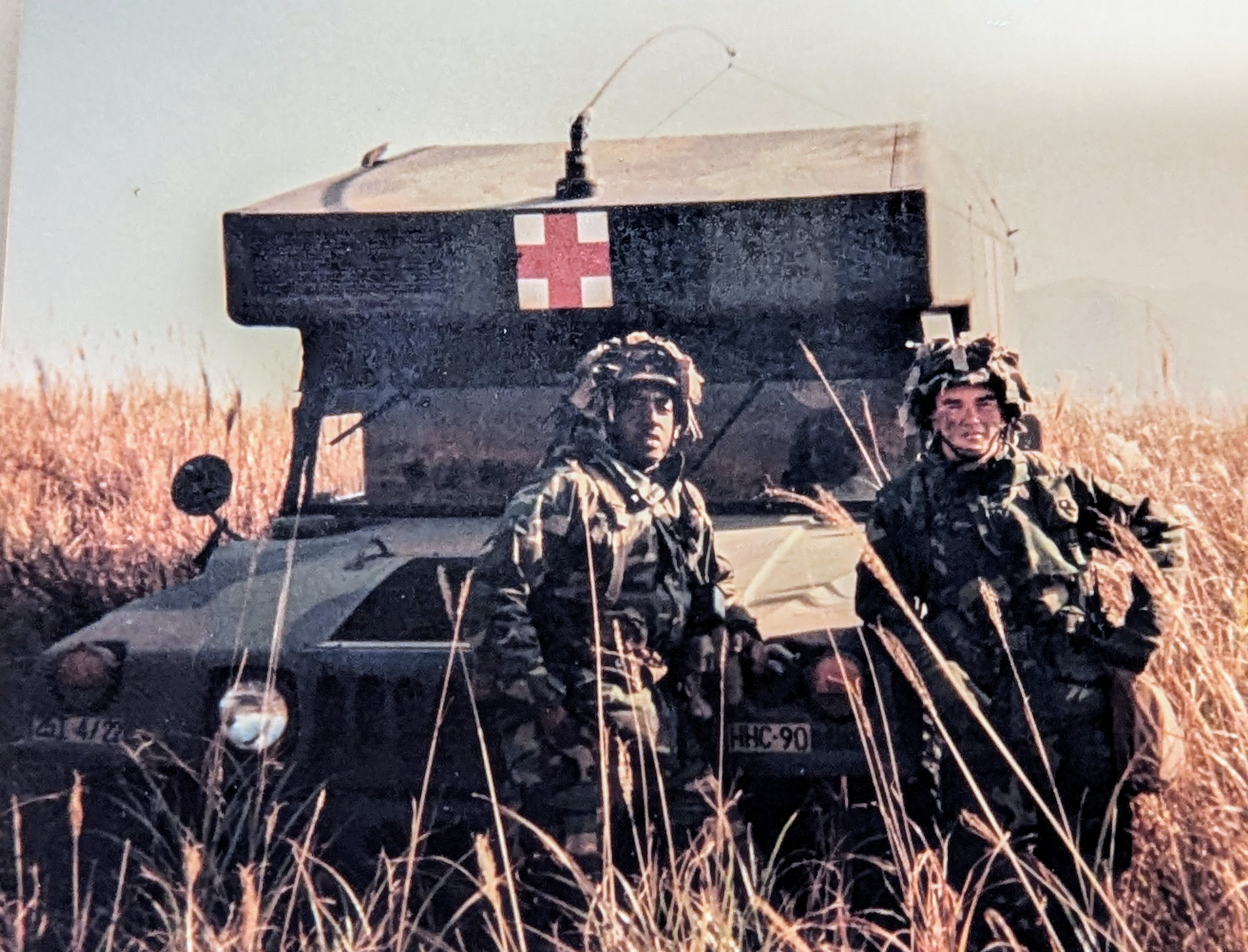
“Being challenged in life is inevitable, being defeated is optional.” – Roger Crawford
Planting Blueberries: A Family Tradition of Health and Renewal
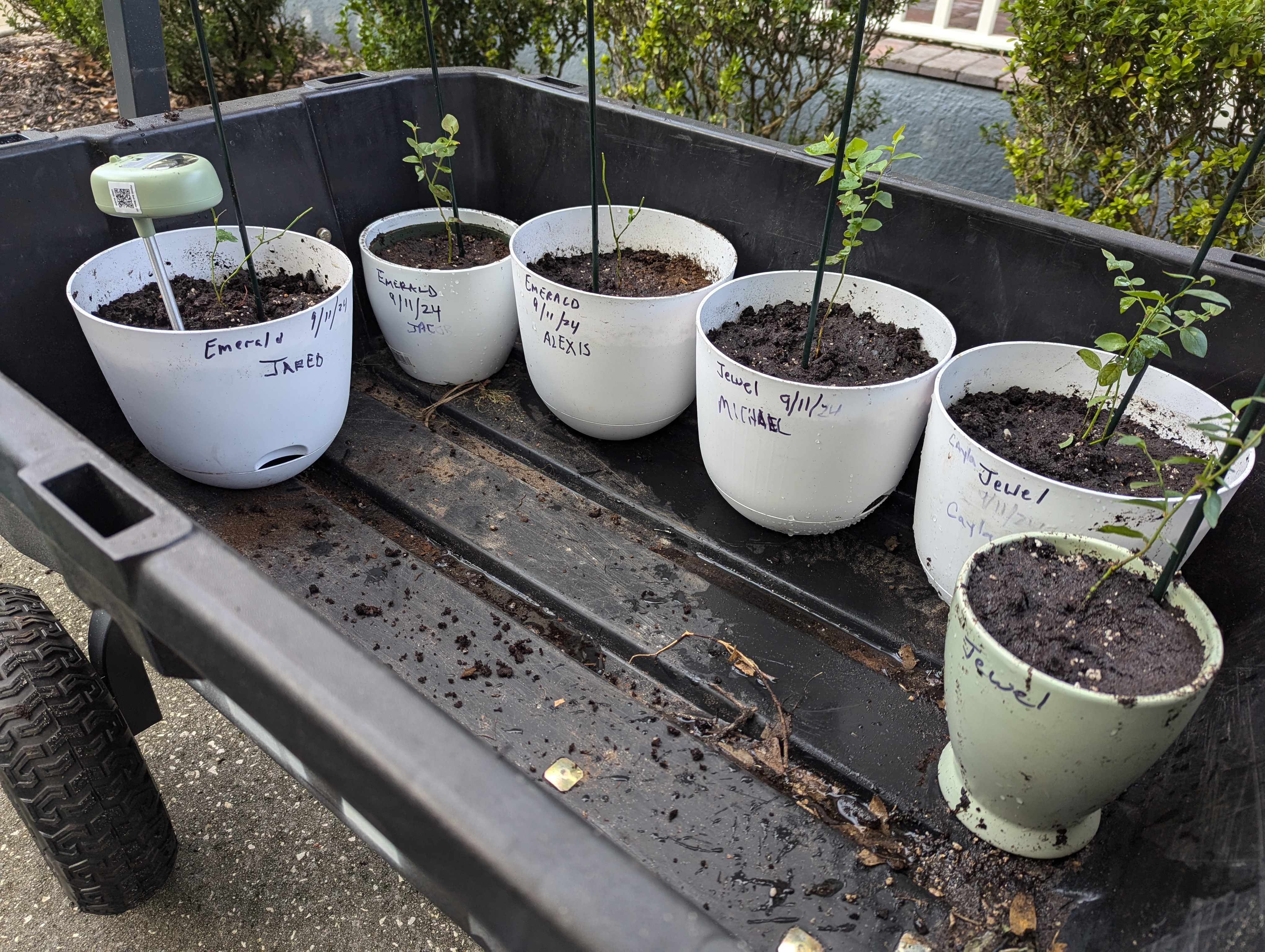
My wife and I wanted blueberries for so many reasons, health, self preservation, annual renewal, family activities, fun and most importantly life.
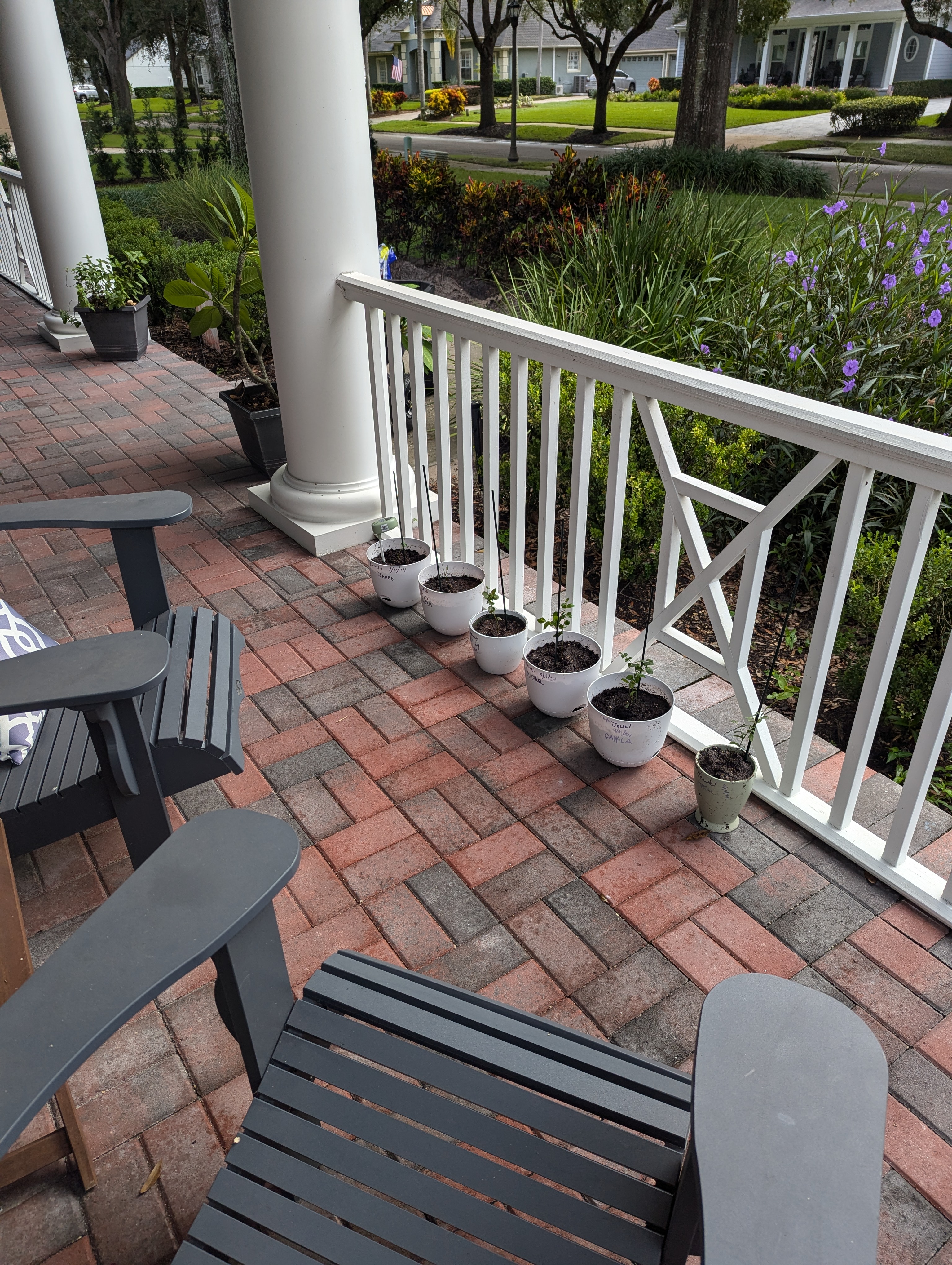
We have 6 plants for our current six children: Jared Alexis Jacob Michael Cayla and Mikayla. Two different varieties, Emerald and Jewel as you need at least two different types to have berries. There are so many parallels in life.
Everything came together today to get them planted. There is no better day to plant them.
You can say it’s not the right season, they are not big enough, or your Ph is off, but to us it doesnt matter as now is the time.
As they read the names on TV I am galvanized in the remembrance that the beauty and wonder of life is fleeting but must continued.
Donating Blood: An Easy Way to Help Others
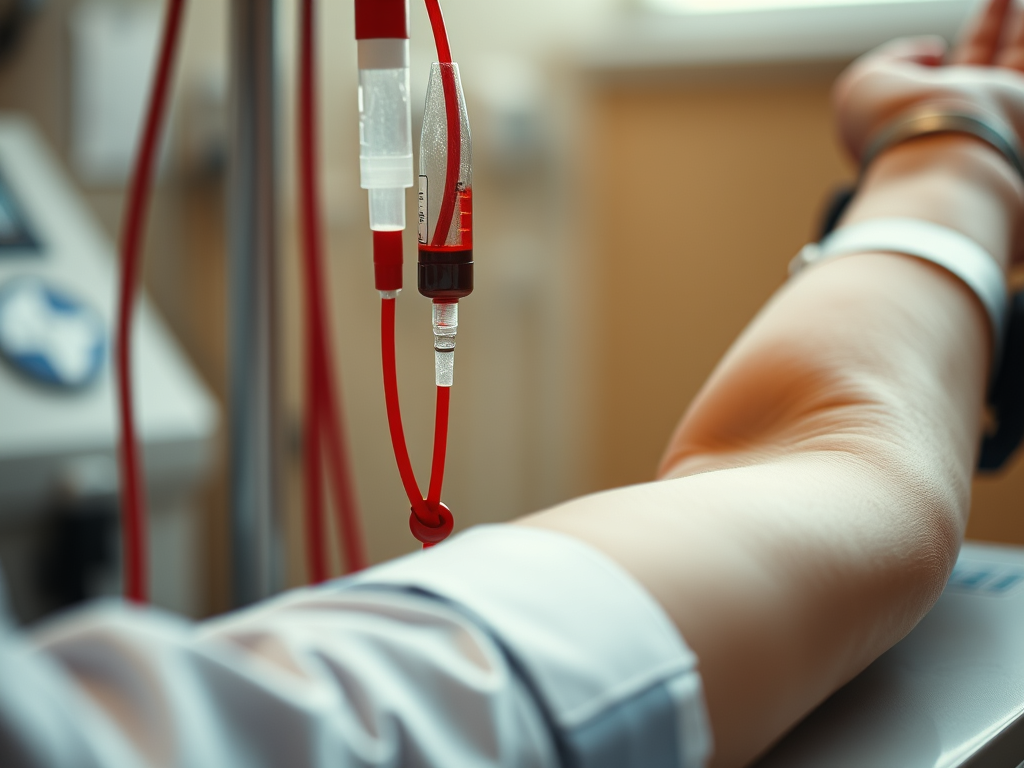
- Today as I do every 8 weeks I donate blood
- Blood is ALWAYS in short supply
- Its an easy way to help others
- Helping others feels good
- Give blood if your able
- oneblood.com
Breaking the Stigma: It’s Okay to Accept Support
For over a decade, I’ve urged a close friend—a fellow veteran I served with in the Second Infantry Division and other locations—to apply for VA disability compensation. After two combat deployments and eleven years of dedicated service, he left the military, embodying the kind of leadership that could have made him a great general. Yet, like many veterans, he viewed seeking benefits as somehow lacking honor or dignity.
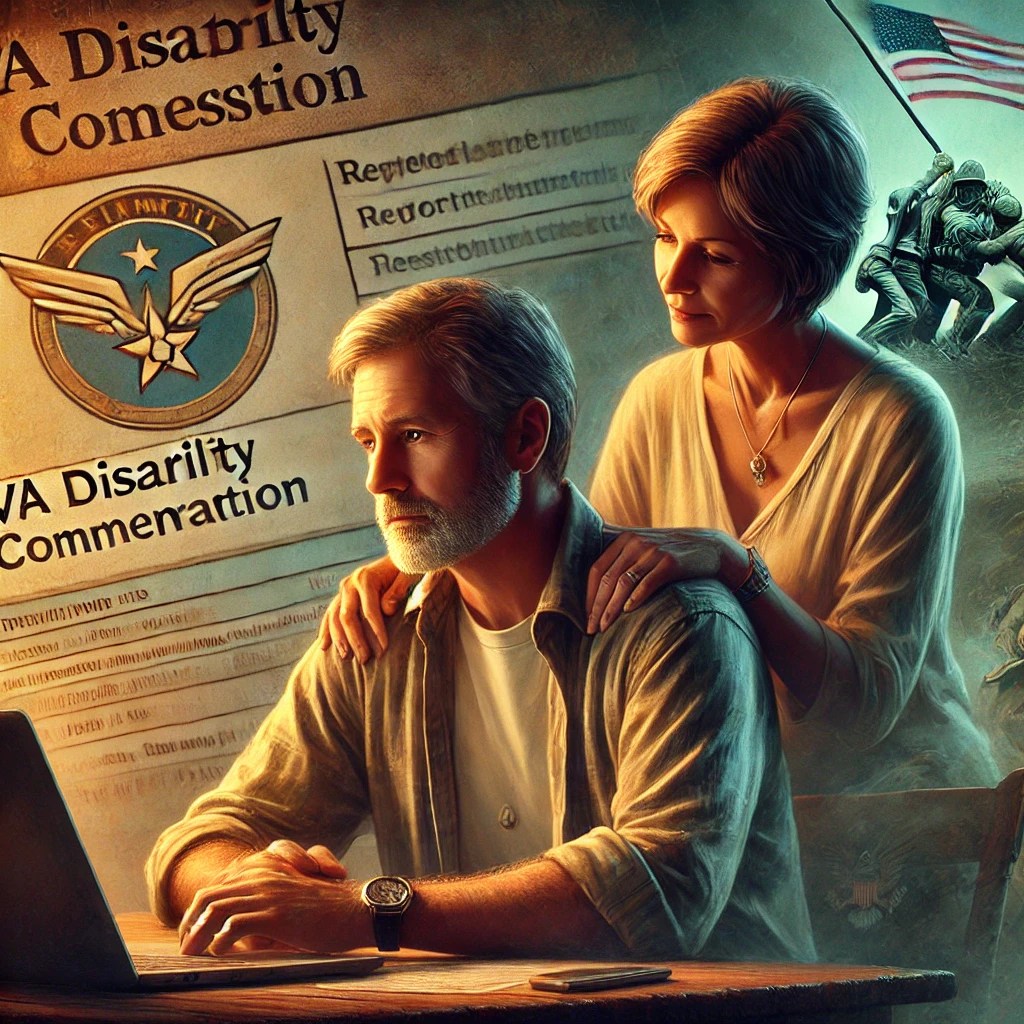
What finally clicked for him? Hearing his wife say, “Honey, you have these things.” It took a trusted loved one to remind him that it’s okay not to be okay.
Too often, veterans hesitate to accept help, recognition, or support, believing it diminishes their strength or pride. This mindset can lead to isolation, despair, and even veteran suicide. But the truth is, these benefits are a way for a grateful nation to say, “Thank you.” You don’t have to lie, embellish, or feel dishonorable.
I’ve now helped four veterans, spanning the Navy and Army, some out of service for over 20 years, navigate the VA disability compensation process. It’s a small act, but one I hope will encourage others to see the value in receiving the support they deserve.
If you’re a veteran—or know one—remember: it’s okay to receive this benefit. You’ve earned it. Accepting help is not a sign of weakness; it’s a testament to your strength and service. Let’s stand together and support each other, proving that it’s okay to not be okay.
Feel free to share this message, reach out, or offer a word of encouragement to those who might need it. We’re all in this together.


