Blog Archives

A Journey to Acceptance: My Eye-Opening Experience with Medical Marijuana
I was born and raised in Miami, Florida — in the middle of chaos and change. The city I grew up in during the 70s and 80s was a powder keg of race riots, refugees, and drugs. Miami was overrun — and that’s putting it kindly. Cocaine, marijuana, and the war on drugs were everywhere.
I never touched any of it. Not once.
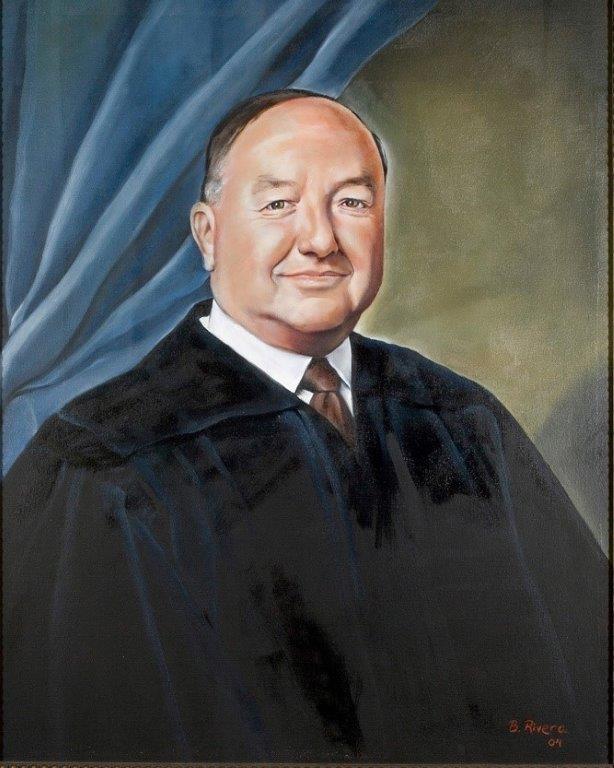
It was a badge of honor, a personal vow. My father was a judge, and I took pride in the discipline that kept me away from substances that, to me, represented weakness and failure. I saw alcohol as adult, social, and controlled. Marijuana? That was for the lost.
For most of my life, I never questioned that belief.
But life has a way of testing the walls we build around our certainty.
When my wife’s illness began to take over our nights, sleep became hard. She was in constant pain, and nothing — not the pills, not the prescriptions, not the endless “next options” — brought her relief without a cost. Then one night, she tried a simple gummy. She slept through the night.
That experience made me aware — painfully so — of my own hypocrisy. While she found healing through a plant I had long dismissed, I was numbing myself each night with alcohol — not to enjoy, but to stop feeling, to force sleep. I told myself it was normal, acceptable, even earned. But it wasn’t helping.
It wasn’t until I was helping a client — a veteran — through her VA disability claim that the truth caught up with me. She confided in me about her fear of admitting she used marijuana to manage anxiety and sleep. I told her what I believed: that she shouldn’t be ashamed, that seeking help isn’t weakness, and that medical care, when legal and responsible, is private and protected.
Then it hit me like a mirror.
How could I coach her toward honesty and healing while denying myself the same?
That same day, I called my wife’s physician, scheduled an appointment, and applied for my medical marijuana card. Since then, I take a gummy every night. I sleep. I think more clearly. I drink less. I feel present.
My view has changed completely — not because of politics or persuasion, but because of experience. What I once called weakness, I now see as wisdom. The real weakness was refusing to see past my own judgment.
In Florida, medical marijuana has been lawful since 2016. But for me, it only became personal when life humbled me enough to listen.
The more I experience life, the more I understand that nothing truly changes until we become aware. Awareness brings empathy, and empathy brings wisdom. And wisdom — I’ve learned — is not the privilege of youth, but the product of life lived honestly.


What will my life be like in 3 years?
I dare not answer the question.
That was my first response when someone asked where I see myself in three years. Without hesitation, fear stepped in — not fear of failure, but fear of imagining life beyond now. Beyond her.
Yesterday, my wife finalized her cremation plans. I’ve done this before — for my sister, for my father. Each time, it became a necessary transaction. Paperwork, signatures, polite condolences exchanged over a table that felt too small for the weight in the room. The funeral director came to the house. We completed the forms. She paid for her services. Efficient. Respectful. Businesslike.
It’s best to do this before it happens, they say — so there’s one less thing to cause anxiety and pain.
But is that really true? Or is it that I just didn’t want to do this again?
Because the truth is, no matter how many times I’ve faced loss, I still don’t know how to prepare for it. I can manage logistics, but not emotions. I can sign the papers, but not the permission slip to move forward.
When I think about the future — traveling, my children, my new grandbaby — I feel guilty. There’s a horrible tension between the yearning to be free and the desperate wish for this stage of life to never end. How do you reconcile wanting relief and wanting permanence at the same time?
Maybe that’s what being human really is — living inside the contradiction.
We spend our lives trying to control time, plan for tomorrow, build systems, write goals. But life keeps reminding us it doesn’t belong to us. It moves with or without our consent.
Three years from now, I don’t know where I’ll be. Maybe I’ll be standing somewhere new, lighter but not the same. Maybe I’ll still wake up some mornings expecting to hear her voice. Maybe I’ll finally find a kind of peace in the not-knowing.
Because the truth is, none of us can control life. We can only honor it
Where will I be in 3 years…..
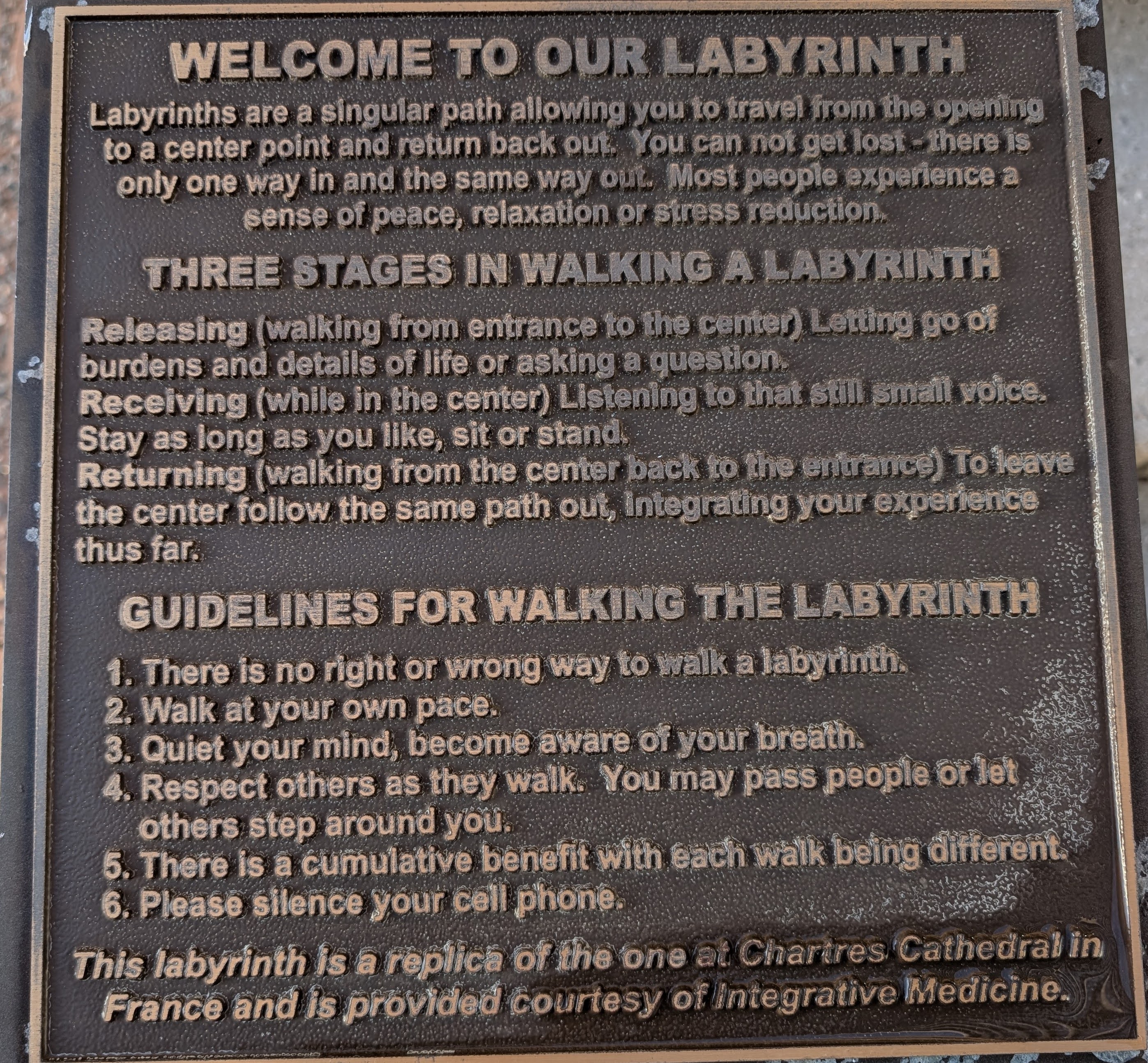
The Front Lines of Cancer
Yesterday, we reached acceptance. Not surrender — not quitting — but an understanding: this cancer is incurable. It continues to spread slowly, like a snake coiling itself around its prey.
And yet, in the middle of it all, there is beauty.
Our youngest is in high school now. She wakes up on her own, gets ready, eats breakfast. She is excited about life. She’s playing lacrosse, wants to go to practice, wants to do well in school. It’s such a good time.
The other night, my wife told her that she wanted her to have her wedding ring. Tears came, but then laughter too, as our daughter said it was too small for her finger. Somehow, the moment turned to a joke about making it into a “grill” for our dog with the terrible underbite. This is life and love — sorrow and laughter tangled together.
This weekend, our oldest came home. She’s about to start graduate school after years of working. She asked her mother, “Are you going to die?” My wife, steady as ever, said: “I will — but I don’t intend to do it soon. You need to go to graduate school and live your life. This is your dream. Keep going.” Then she gave her the diamond pendant we had made from her mother’s stone. They cried for hours.
One of our sons is getting married in October and then heading into the military. We already have our plane tickets and hotel. No setbacks. We will be there. We’ve become experts in travel planning and stress mitigation, as Sherri can only manage about two hours of chair time a day. No setbacks — we so want to be there.
And then there’s our granddaughter. Just 18 months old, already going down slides. We watched the video of her laughing all the way, and it filled us with joy.
It is a wonderful time.
That might sound strange to say, but it’s true. In these trying days, every moment of laughter, every milestone, every piece of ordinary life feels even more precious. The weight of suffering sharpens the beauty of joy. And when you know that time is short, you hold tighter to the moments that matter most.
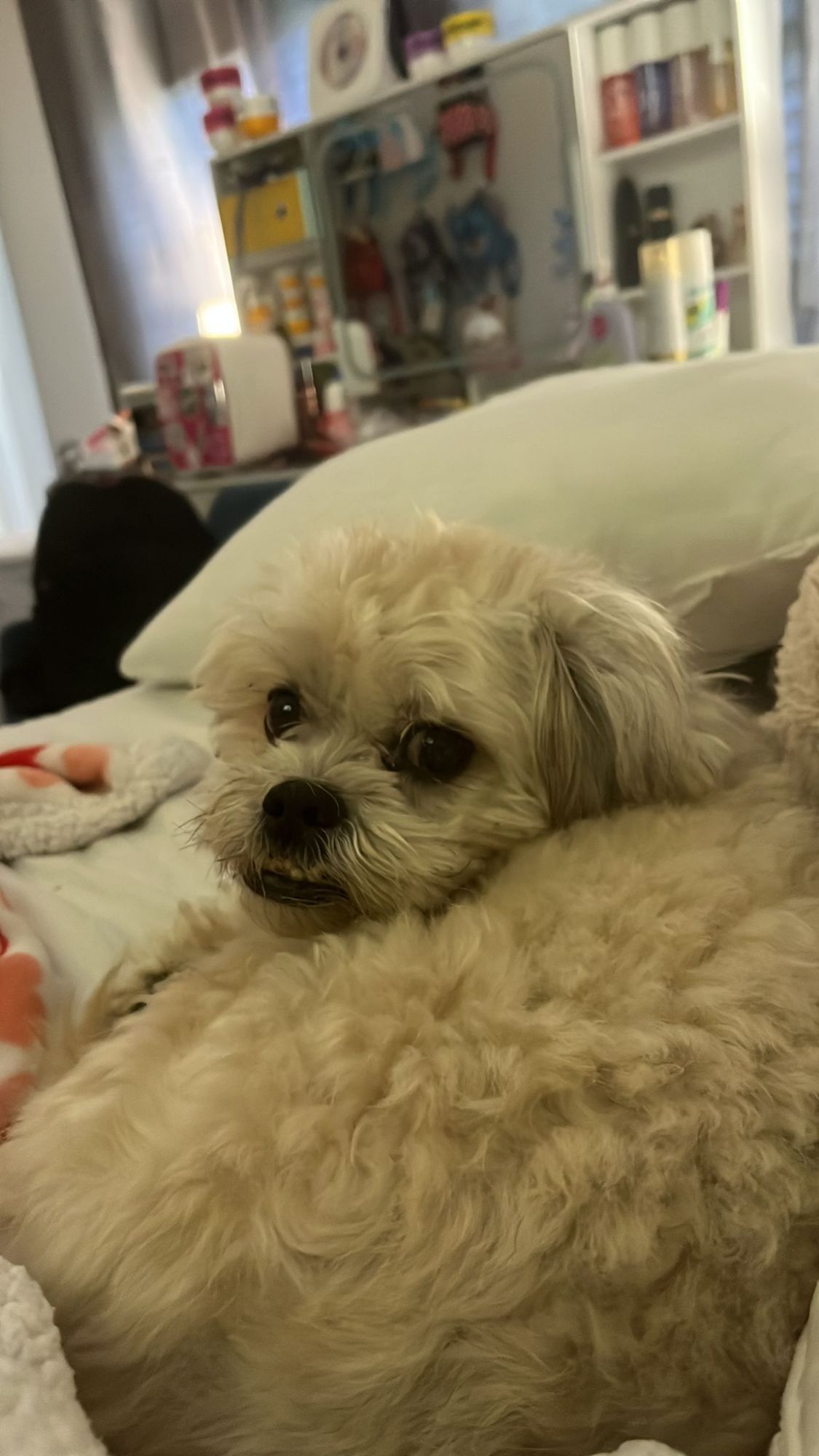
Understanding Anticipatory Grief as a Caregiver
I’ve spent a lifetime wearing uniforms — first in the military, then in business — but no uniform could have prepared me for the one I wear now: caregiver.
My wife is still here. She still smiles. Still laughs. Still says “I love you” with the same strength that got her through childbirth without a scream and once drove a screwdriver bit through her hand with nothing more than a calm “ouch.” But even with all that strength, I know what’s coming. And somewhere along the way, I realized I was already grieving.
It wasn’t denial that kept me from seeing it; I saw every scan, every new medication, every tear. It wasn’t anger that overwhelmed me, though I’ve certainly felt flashes of frustration — at broken systems, unanswered prayers, and my own helplessness. It was something quieter. Slower. A gradual ache of knowing that the woman I love is slipping away in pieces.
That’s what anticipatory grief is — mourning someone while they’re still alive. It’s showing up with love and purpose even as the shadows grow longer. It’s grieving not just the final goodbye, but the thousands of little ones along the way: the goodbye to traveling together, to her independence, to her baking and cooking in the kitchen.
I’ve come to understand that the five stages of grief — denial, anger, bargaining, depression, acceptance — aren’t a straight road. They’re more like a roundabout we circle again and again. And while Kübler-Ross introduced them to describe how patients face terminal illness, caregivers like me feel them too — just in advance.
Right now, I live somewhere between acceptance and heartbreak. I’ve accepted what’s coming. But each day, I still fight to create joy, dignity, and presence. We watch movies in the car so she doesn’t have to get out. We eat takeout in the bed because she cant sit at the table. I hold her hand not just in sickness, but in the holy weight of being here — now.
If you’re walking this road too, know that grief doesn’t wait for death. And love doesn’t wait for perfection. You are doing holy work, even when your hands feel empty.
Let yourself grieve. But also — let yourself love, fiercely, while there’s still time.

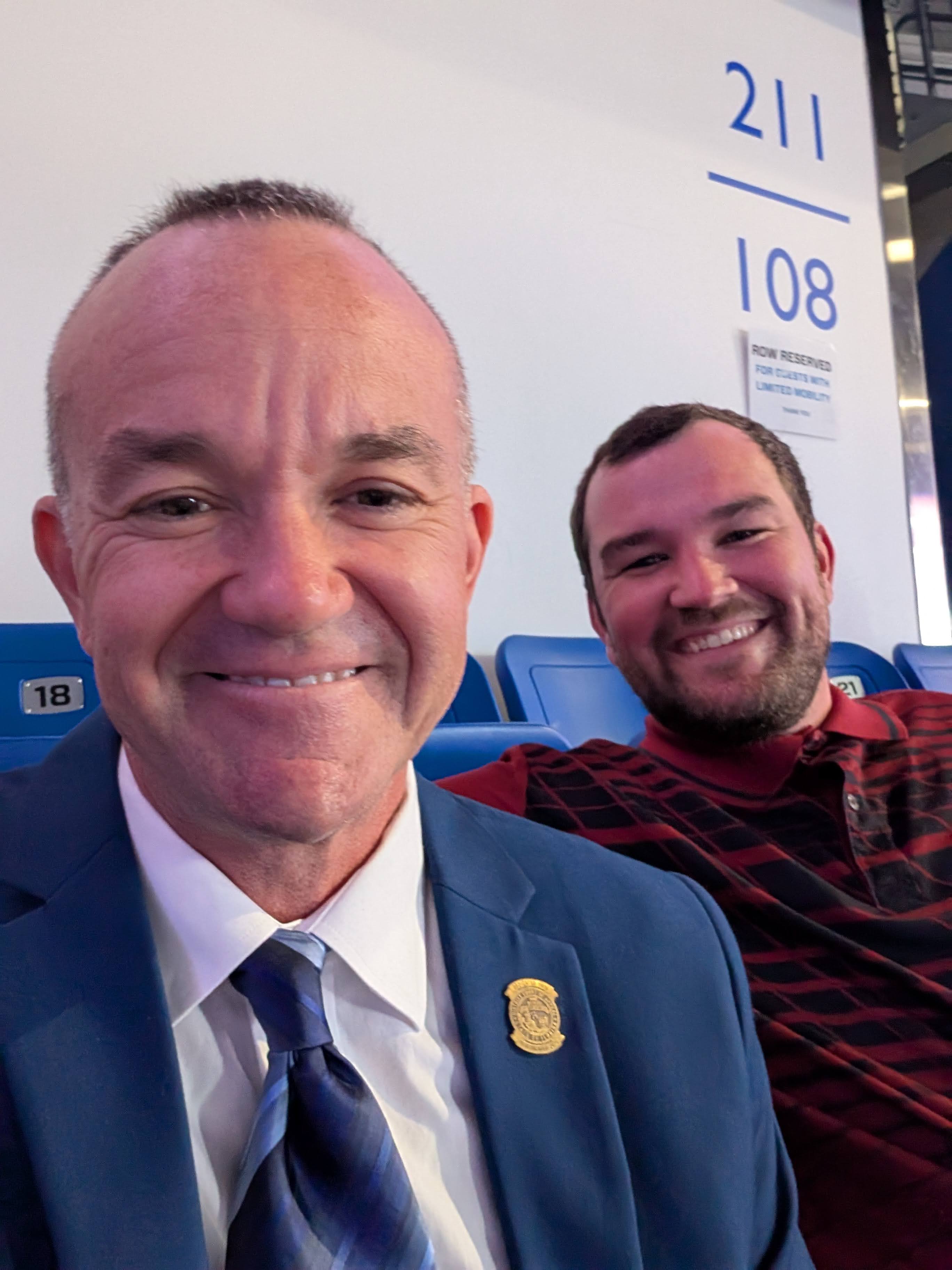
Understanding LinkedIn Connections: A Reflection on Bias
As a lifelong learner and someone who prides himself on asking tough questions—of others and especially of myself—I recently posed one I hadn’t considered before: What do my LinkedIn connections say about me?
At first glance, the question might seem simple—just a casual curiosity. But the more I thought about it, the more I realized it held a mirror to my worldview, my network, and even my decision-making process. After all, our professional circles say something about how we seek advice, what we value, and—whether we admit it or not—how we perceive credibility and leadership.
So, I did what I’ve done my whole life investigated.
What I Found: A Familiar Reflection
The results were humbling, if not entirely surprising. My network largely looks like me: white, male, and with a military or law enforcement background. Not wrong, not intentional—but also not reflective of the broader society I serve or want to understand better.
This is the core of unconscious bias—it isn’t malicious or even deliberate, but it quietly shapes how we see the world and, in turn, how we act in it.
What I’m Doing About It: Intentional Inclusion
I believe in action, not just awareness. That’s why I’ve made a change to my daily habits. Every day, until I hit LinkedIn’s weekly connection limit, I intentionally send connection requests only to women—diverse in background, career, and experience.
I don’t overthink it. I see the picture and I click “Connect.”
No agenda beyond expanding my view of the world. My hope is that by increasing the diversity of my network, I’ll increase the diversity of thought I’m exposed to—and in doing so, improve the quality of the decisions I make, the advice I take, and the work I do.
Why It Matters
LOUJSWZ INC is committed to helping people grow—businesses, veterans, individuals—through integrity, process improvement, and purpose-driven consulting. But growth has to start with self-awareness.
This isn’t a story about checking a box. It’s about building a network that challenges me, reflects the real world, and ultimately makes me better at what I do—because I see more of the people I serve.
I still have a long way to go. But that’s the point of growth—it’s never over.
#UnconsciousBias #InclusiveLeadership #GrowthMindset #LOUJSWZ #VeteranOwned #LeadershipEvolution
Embracing Change: Life Lessons from a Soldier’s Past
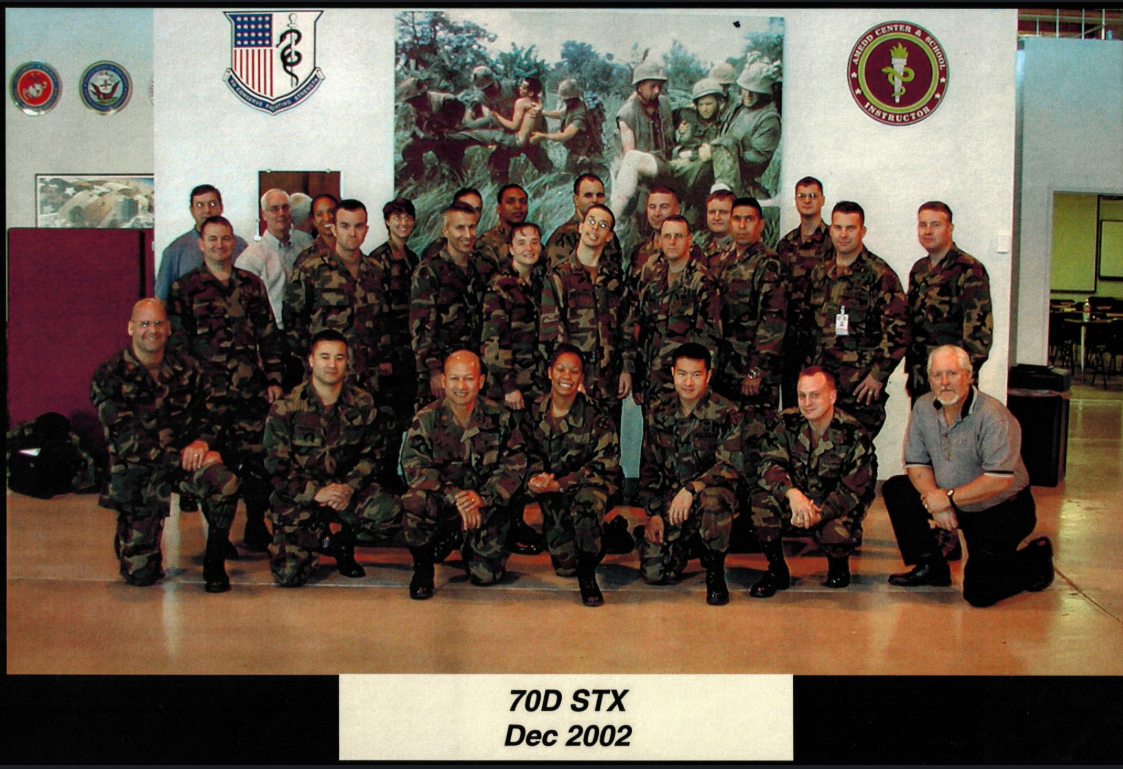
Earlier today, I was tagged in a photo on social media—a group shot taken in December 2002 during our 70D STX training, just months before the Iraq invasion. My first reaction was surprise, followed quickly by a flood of memories. No smartphones. MySpace was still the king of connection. I was in uniform, standing tall, trying to wear my best “war face.” I even had hair back then.
At that moment in time, my personal life was uncertain. I was recently divorced, unsure of where I’d live, and even more uncertain of what I’d be doing professionally. All I knew was that I wanted to stay close to my children, even as the Army had me moving in the opposite direction. Everything felt like it was shifting under my feet.
But looking back, I realize something: everything is always shifting. Like water, life never stays in the same place—it’s always in motion. Sometimes slow, sometimes raging, but always flowing. I used to crave control over every aspect of my personal and professional life. And I convinced myself that, at times, I had it. That illusion helped me sleep at night, helped me lead others, helped me believe I was making all the right moves.
Now, with 23 more years of living, learning, and letting go behind me, I’ve come to embrace a different truth: it’s okay not to control everything. In fact, that surrender has helped me grow. It’s made me more accepting of people, setbacks, and life’s curveballs. Some of the biggest disappointments in my life eventually rerouted me to something far better than I had planned.
Today, I’m working through some of the biggest challenges I’ve ever faced—accepting my wife’s ongoing battle with cancer and her limited mobility, navigating the rollercoaster of parenting a teenage daughter, and growing a business that’s rooted in purpose and resilience. I try to take it one day at a time. Like nurturing an oak sapling—you water it a little each day, give it sunlight, protect it during storms. And over time, without you even noticing, it becomes a mighty oak.
That photo reminded me who I was—and affirmed who I’m becoming. The young soldier I was then would be proud of the man I am now, not because everything turned out perfect, but because I kept showing up. I kept growing. I kept going.
I wonder if anyone in that picture can spot me. Look closely—I’m there, trying to be serious, probably thinking about the mission ahead. That version of me had no idea what was coming. But I’m grateful for him. And I’m even more grateful for who I’ve become.

Navigating Self-Employment: Lessons from an Entrepreneur’s Journey
Starting your own business is a bit like setting off in a dinghy down the Mississippi—exciting, unpredictable, and, at times, terrifying. My wife and I took that plunge when we decided to work as independent contractors. That meant companies would pay us, but we had to figure out everything else—health insurance, taxes, payroll, and all those benefits that working for an established company provides. It was a kick in the pants, a push away from the directions our parents had given us, into the unknown.
As with most things in life, I turned to my friends for advice. “What business structure should I choose?” I asked. The overwhelming response: an S-Corp. It was supposedly the best fit for two independent contractors making (hopefully) over $80,000 a year. Simple enough. So, I did what any modern entrepreneur would do—I searched for help on Thumbtack. I hired another veteran, Connie, to handle the formation of our S-Corp. Anyone willing to take a call on April 16th—tax day—has to be organized. For $180, she set up: our EIN, corporate documents, election of a small business, and state Department of Revenue filings. One phone call in, and I had already surrendered a bit of my independence. No more TurboTax; now, I had a recurring expense for professional tax filing.
I asked Connie, “Do you take the federal and state taxes out of the payments from the companies I work with?” Of course not—why make it that easy? Instead, she referred me to a payroll service. So, after setting up a business bank account with a credit union, I added payroll administration to my growing list of responsibilities. Another necessary ally in the battle of self-employment.
Next came insurance—because nothing says “I’m a business owner” like signing up for multiple policies. We got umbrella insurance, professional liability, general liability, and even medical and dental coverage for our one employee (me, for now). Each policy brought its own admin portal, its own customer service lines, and, of course, another recurring expense. But hey, they’re all tax deductions, right?
Since my wife was both the co-owner and sole employee, she couldn’t have a business-provided HSA. That was one thing she had to set up separately, which was a small relief—I had enough programs to manage. Instead, I found myself stepping into a different role: webmaster. It was a throwback to my younger years and a chance to write, something I’ve always enjoyed.
Fast forward two years. The business we started has completely transformed. The contracts ended, the payroll services were canceled, and all the insurance policies were dropped. My wife, battling health challenges, could no longer work, which led to some incredibly lean months. I had to reinvent myself. Instead of project and capture management, I focused on something more meaningful: helping veterans get federal small business credentials and assisting them with disability claims.
It was a tough pivot. To make ends meet, I worked part-time at three different large retailers while also working on commission-only deals. The financial anxiety was relentless, but so was my drive to provide for my family and uphold my responsibilities. Slowly, through persistence and the kindness of others, things started to turn around. Former clients and friends began reaching out, and I found my footing as a fractional professional service provider in sales and operations.
After more than a year of working for commission only, I’m finally seeing the fruits of that labor. The journey has been anything but easy, and I’ve had moments where I wondered if it was all worth it. But as they say, “A soldier ain’t happy if he ain’t bitchin’.” So, I guess that means I’m happy. I’m happy.


Learning from Mistakes: A DUI Reflection
For over 40 years, I have been behind the wheel, driving without incident—until now. I got a DUI. It still feels surreal to write those words. But the reality is, it happened, and I have no excuse. I have asked myself over and over, why did I not realize how dangerous and serious this was? And if I did, why did I not care?
Maybe it’s the weight of family burdens. Maybe it’s the inescapable reality of watching someone you love battle cancer—the most fatal form of it—a cruel, relentless adversary. Maybe it’s the anger and pain of an adolescent facing the potential loss of her mother. Maybe it’s depression, anxiety, or the gnawing exhaustion that comes with carrying so much.
The truth is, sometimes I feel like giving up on being the best version of myself. And I hate that feeling. But when it comes, it consumes me until something shakes me awake. This time, it was my DUI.
For years, I pushed the envelope. Since before I was 19, I thought I had control. How I managed to avoid hurting myself or someone else all these years is nothing short of a miracle. I could lie to myself and say, I never drove under the influence before—that I felt fine driving home that night. But that’s just not true.
I know chemistry. I understand biology. I know how alcohol affects the body, how it impairs judgment, and how much is too much. Yet, on that night, I just didn’t care. That’s the scariest part.
I passed the field sobriety test, but that didn’t matter. As I sat handcuffed in the back of the sheriff’s patrol car, all I could think was, It’s about time. I was taken to the DUI intake center and given a breathalyzer test—.10% BAC, 2% over the legal limit. From there, I was booked into the county jail and spent several hours waiting to post bail.
What came next was worse than my own shame. Scammers took advantage of the situation, calling my family including my children and friends, pretending to be a bail bonds company. My wife, out of concern, sent them $1,000 through Apple Pay. That loss, that embarrassment, was the worst part of the whole ordeal.
I am an Eagle Scout. An Army officer. I have built my life on helping others. And yet, I let this happen. It’s a humbling and haunting realization. But the response from my loved ones has been my saving grace. They did not ridicule me. They did not abandon me. Instead, they supported me, reminding me that one mistake—however significant—does not erase a lifetime of integrity and service.
This DUI is my wake-up call, my ghost of Christmas future, showing me what could be if I don’t change. It has forced me to confront my own choices, my vulnerabilities, and my need to truly take care of myself so I can continue taking care of others. I will take this harbinger seriously. I will strive to be better.
For those who may find themselves in a similar position, my message is simple: take responsibility, learn from it, and don’t ignore the signs. You don’t want to wait for your own wake-up call. Be better now.


The Last Penny: A Personal Reflection
The news that the penny is being removed from circulation made me pause and reflect on something far more valuable than its monetary worth. The penny was once a daily connection between my father and me, a lighthearted gauge of the world around us.
Every day on his walk, my father would keep an eye out for lost pennies. If he found one, it was a good day. If he found two, well, “The economy is looking up!” he’d say with a chuckle when he called me to report his findings. It was his personal economic indicator, a small but amusing tradition that made us both smile.
Over the years, I picked up the habit myself. If I spotted a penny on the ground, I’d snap a picture and send it to my closest friends and my sons. “Looks like things are turning around!” I’d joke, carrying on my father’s tradition with the same ridiculous insight. But we never left the penny behind. We picked it up, and added it to our collection—a tangible reminder of life’s little fortunes and the simple joys of paying attention.
Now, with the penny becoming a thing of history, finding one will feel even more special. No longer just a quirky sign of economic optimism, it will be a rare token of the past, a link to my father’s voice on the other end of the phone, laughing about his new found fortune.
So, when I spot a penny on the ground, I’ll pause. I’ll smile. I’ll pick it up. And I’ll think of him.
And you know what? The economy—and life—are still looking up.

Revenue: The Lifeblood of Every Business
As a small business owner and fractional executive for two other small businesses, one lesson stands out above all: nothing matters without revenue. You’re not even in business if you don’t generate revenue. It’s the foundation, the validation of your ideas, and the fuel that keeps everything running.
A few years ago, I left the stability of Corporate America to chart my own course. It wasn’t a straight path—it was a journey of trial and error, an exploration to find my next great “work thing.” Along the way, I worked in retail, call centers, consulting, and eventually landed in my current role as a fractional executive. Through this journey, I learned one critical truth: your business model must align with generating value and translating that value into revenue.
From Stability to Uncertainty
For most of my adult life, I enjoyed the comfort of a regular paycheck—monthly or bi-weekly deposits that arrived like clockwork. But when I stepped out on my own, I made a conscious decision to trade stability for the uncertainty of risk and reward. I shifted my approach from being a retained resource to someone who gets paid only when I generate value for the company.
As a self-proclaimed change management “expert,” embracing this shift became an objective in itself. The transition wasn’t easy. Even with the privilege of not living paycheck to paycheck, the mental adjustment was profound. The stakes were higher. The challenges, more personal. But I leaned into the discomfort, using my love for risk management and mitigation to navigate the uncertainties.
Revenue First, Always
In my role as COO for a talent acquisition company, the mantra is clear: if we don’t “fill roles with quality souls,” we don’t eat well. All the talk about CRMs, KPIs, and business plans is just that—talk—until revenue rolls in. My CEO reinforces this every day, and it’s a message I’ve fully embraced.
Recently, after more than a year of building our structure, processes, client relationships, marketing strategy, operations, and brand, we placed our first two candidates—our first two “quality souls.”
It was a milestone worth celebrating, not just because of the hard work it took to get there but because it validated the value we’ve worked so hard to create.
Revenue isn’t just about dollars in the bank; it’s about demonstrating value to your customers. It’s the ultimate proof that your business matters.
A Moment of Reflection
When the placements were confirmed, I celebrated in my own quiet way. My wife, who is bravely battling a severe illness, couldn’t join me for a glass of champagne or outing. So, I went outside, looked up at the full moon, and allowed myself a moment of gratitude and reflection.
I told myself: I can still do new things. I still have value. I will continue to grow.
I thought about the journey I’ve been on—from the stability of Corporate America to the ever-changing landscape of entrepreneurship. Revenue is the lifeblood of my businesses, but it’s also a symbol of something deeper: the ability to adapt, create value, and prove to yourself that you’re still growing, still evolving, and still capable of new achievements.
Lessons Learned
For anyone considering a similar leap, here’s what I’ve learned:
- Revenue validates your business. Until you make money, you’re just planning.
- Risk and reward go hand in hand. Stepping away from a steady paycheck is hard, but it forces you to focus on creating value.
- Celebrate every win. Even the small victories matter—they’re milestones in your journey.
- You’re never done growing. Every challenge, every risk, and every success adds a new layer to your personal and professional growth.
If you’re considering stepping out on your own or are in the trenches of entrepreneurship, remember: it’s all about the value you create and the revenue that value generates. Everything else is just details. Keep pushing, keep learning, and keep growing. The full moon will be waiting to remind you of your progress.


