“Holding On: A Caregiver’s Reflection on Love, Loss, and Living in the Now”
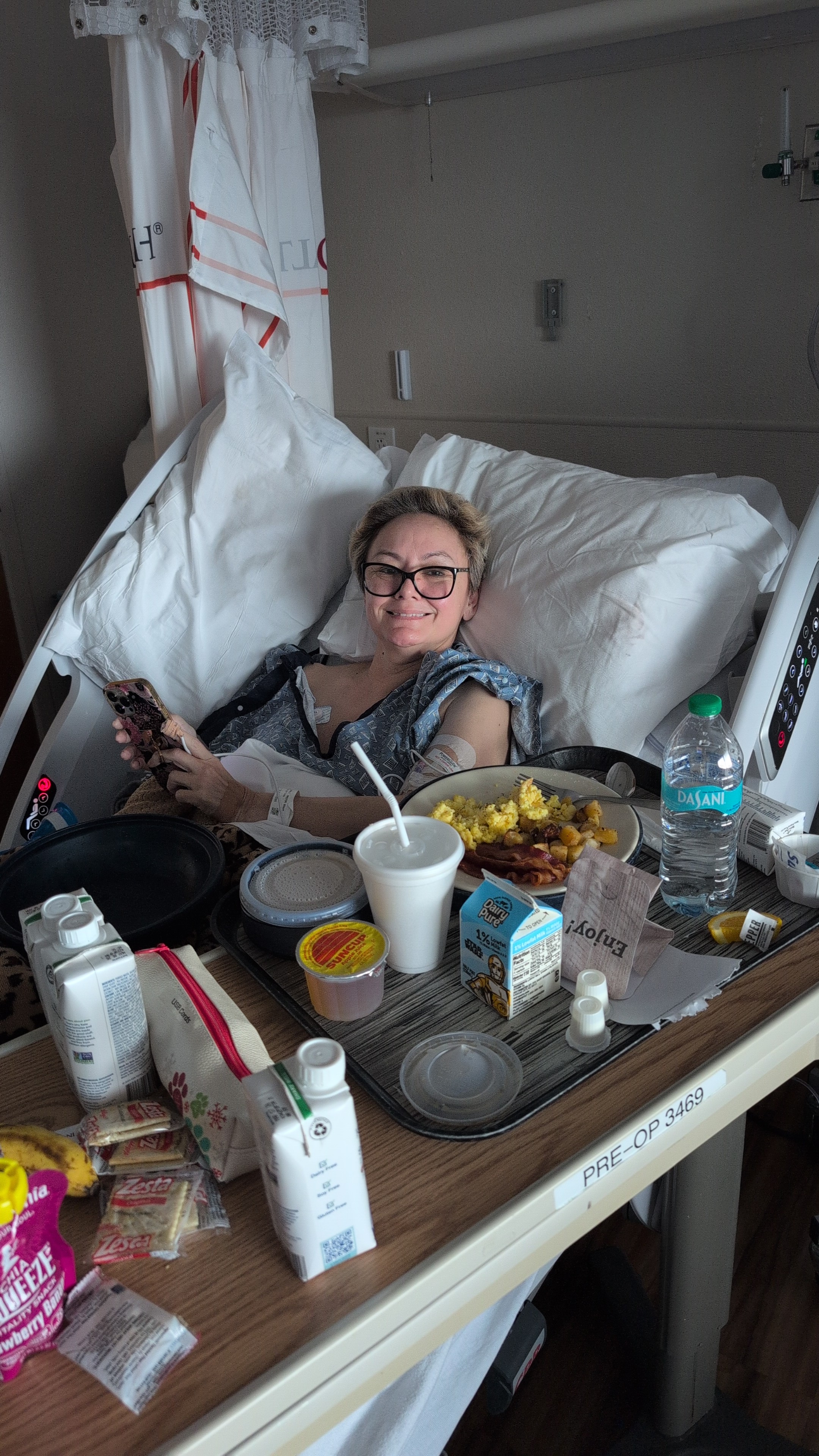
My wife came home today.
After nearly a month that felt like a lifetime—through the emergency room, the operating room, recovery, and finally a rehabilitation hospital—she is back, sitting at the kitchen table with our daughter and her sister. They’re talking about summer camp. It sounds so normal. It looks so beautiful. And yet, nothing about this is normal.
She has four broken bones—fragile from cancer that has metastasized into her bones. She cries now, often. More than I’ve ever seen in all the years we’ve been together. Her voice is quiet. Barely audible sometimes. She has only her hands now to guide her through the world, needing an automated wheelchair that still hasn’t arrived because insurance bureaucracy doesn’t move at the speed of human need.
I was ready to buy one. But she said, “No. We’ll wait.” And so we do. Because this is her journey. And while everything in me wants to fix it—to make it easier, faster, better—I know what she needs most is for me to walk beside her, not ahead.
This is not my first time walking this path. I’ve been here before. With my sister. With my father. But knowing the route doesn’t make it easier. It just makes the heartbreak familiar.
Yet she continues to defy the odds. She is part of the 3% who’ve made it this far. A walking miracle. A living lesson in endurance. So we stay grateful. We stay hopeful. We keep our chins up—not just for her, but for ourselves and everyone around us.
Caregiving is the quiet battlefield. You fight fatigue, frustration, and the aching helplessness of watching someone you love suffer. You become nurse, advocate, counselor, and spiritual anchor—all while trying to remember who you are.
But caregiving also sharpens your vision. You begin to see what matters.
It’s the sound of her voice, barely above a whisper, joining in a conversation at the table.
It’s the laughter that somehow still finds its way into our home.
It’s the love that survives even the most brutal storms.
We often think of time as a currency, but when you’re a caregiver, you realize it’s far more precious than money. It is sacred. It is fleeting. It is everything.
So if you’re reading this in the middle of your own storm, hold on. Don’t just wait for the clouds to pass—find the grace in the moments in between. Because even in the darkest stretches, there is light. Sometimes it’s a whisper. Sometimes it’s a smile. Sometimes it’s just sitting quietly at the kitchen table with the ones you love.
Hold onto that.
The Joy of Collecting: Finding Meaning in Everyday Treasures
I’ve always collected things—medals, pennies, shark teeth, rocks, golf balls, even tire valve caps. Some of these were intentional, others accidental. But all of them, in their own way, represent little victories and moments of peace.
Just the other night, I went on a walk after dinner, a habit more about unwinding than fitness. I came back with five golf balls. Five. That might not seem like a lot to some people, but for someone who’s spent a lifetime collecting, five of anything in one outing is a haul. It got me thinking—not about golf balls, but about collecting, and more curiously, why I do it.
Let me start with this: I’ve begun using lost golf balls as my own personal economic indicator. A kind of SWAG (scientific wild-ass guess). I know it’s a stretch, but hear me out—if people are out playing golf in the middle of the week and losing $20 sleeves of balls without a second thought, then someone out there is doing alright. I’m no fan of trickle-down economics, but the existence of a well-funded slice of the population still swinging away gives me a small sense of hope that the world hasn’t completely unraveled. Still, that’s not why I walk. I walk to escape that kind of thinking.
This post isn’t about economics. It’s about collecting.
My father used to collect pennies he found on walks. Before that, as a boy, he collected stamps. I picked up the penny habit from him, and at one point, my collection was medals—military ones. Now? It’s golf balls, and teeth from long-dead sharks. And that’s the distinction I want to make. Stamps and medals feel like hobbies. You go out, you pay money, you build your collection. But to me, collecting has always been about the hunt—the unplanned, unscheduled discovery. The moment you spot something unexpected glinting in the grass or poking out from the sand. That’s collecting.
There’s real joy in that moment—when you pause, bend down, and confirm that yes, it’s a golf ball or a shark tooth or some little artifact the world left behind. It feels like you’ve won something. Like you’re seeing what others overlook. It might sound like a stretch, but in those moments I feel capable, even special.
Turns out, there’s science to back that up. Psychologists have long studied the drive to collect. Some say it’s tied to our ancestral instincts—early humans were gatherers, after all. Others say collecting brings order to chaos, structure to a fast-moving world. According to researchers, collecting can also provide a sense of control, personal identity, even legacy. But more than that, when we find something—especially something unexpected—our brain releases a hit of dopamine. The same reward chemical that fires when we eat good food, laugh, or fall in love. So yes, spotting a golf ball in the grass isn’t just coincidence—it’s chemically rewarding. No wonder I keep looking.
In those moments, I’m not thinking about work, or stress, or the headlines. I’m just walking. And collecting. And somehow, connecting to the people who came before me—my dad and his pennies, the long-lost owner of the golf ball, even the shark whose tooth found its way into my palm.
Collecting, for me, isn’t about things. It’s about finding meaning in the everyday. It’s about knowing that even in a world spinning out of control, there are still small, lost treasures waiting to be found.

The Life-Saving Power of Blood Donation


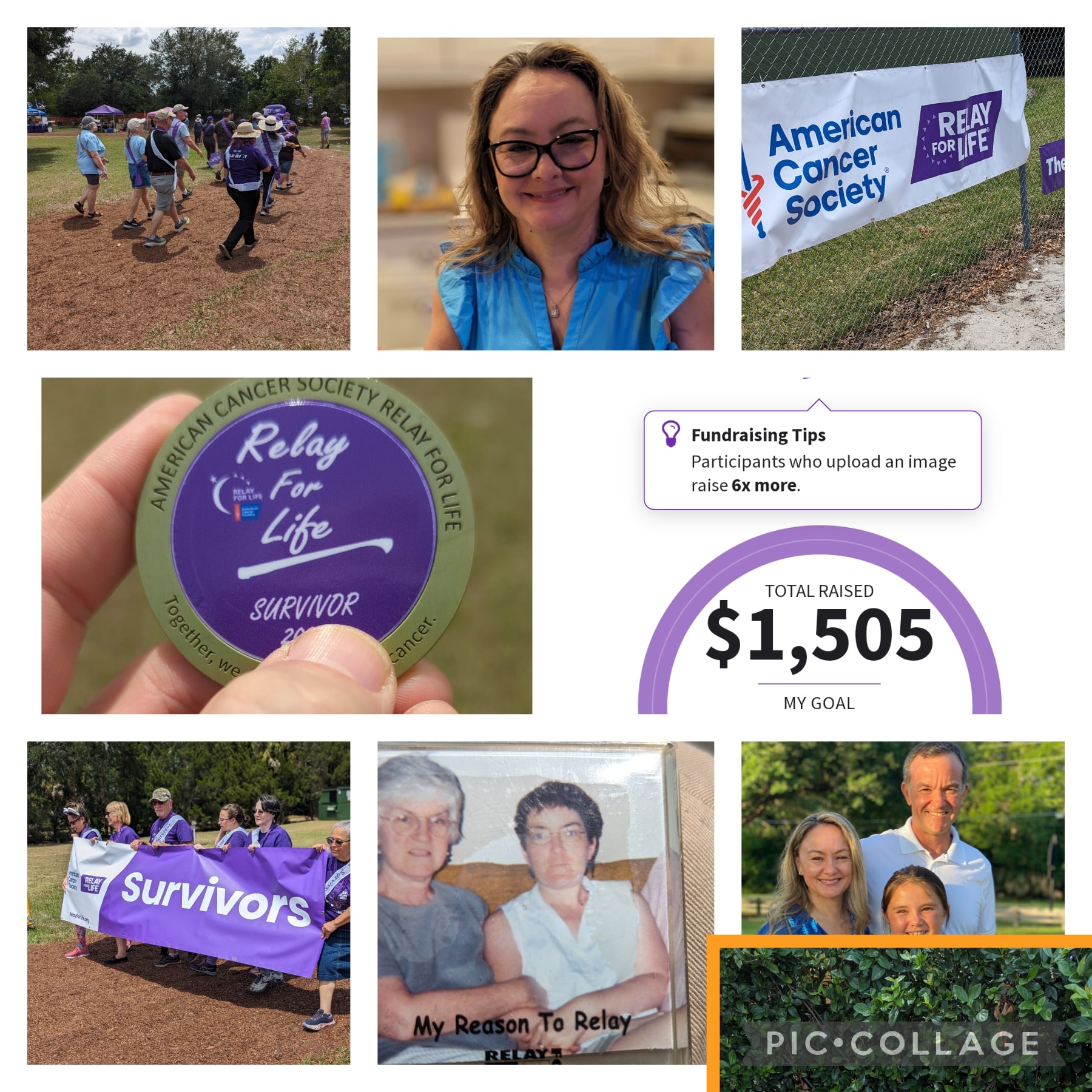
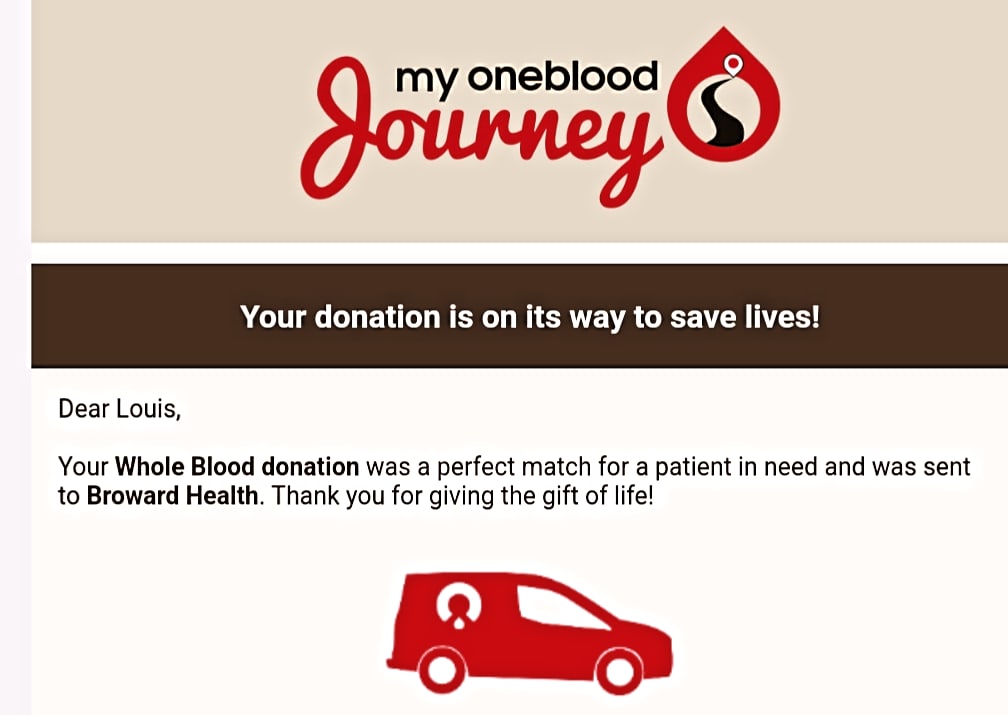


There are moments in life that transcend coincidence—moments that remind us of the deep interconnection between people, acts of service, and the enduring power of compassion. My wife and I recently experienced one of those moments firsthand.For years, we’ve both been regular blood donors. It was never about recognition or reward—it was simply the right thing to do. We believed in it. We knew that a single pint of blood could mean the difference between life and death for someone we might never meet. What we never imagined was how this quiet act of giving would one day come full circle in our own lives.Over 30 years ago, I required an emergency blood transfusion after surgery. I had been discharged from the hospital, only to collapse at home from undetected internal bleeding. As my strength faded and my consciousness waned, two pints of blood were administered, and within minutes, I felt myself come back to life. I will never forget that sensation—the sudden clarity, the renewed energy, the overwhelming gratitude for whoever had made that donation.Fast forward to the present: my wife is fighting cancer with a strength that humbles me every day. Recently, her care team determined she needed a blood transfusion. I told her what I had experienced—that maybe she, too, would feel the same miraculous lift. And she did. That night, she slept peacefully. Her color improved. Her energy returned. It was an almost immediate renewal of life.In that moment, all the years we spent donating blood felt like a sacred thread—woven into a story we could never have predicted. One act of generosity can become someone else’s lifeline. And sometimes, that “someone” is the person you love most in the world.Blood is more than a clinical fluid—it’s a vessel of hope, a symbol of our shared humanity. Donating blood is not just a medical gesture; it’s a profound act of connection. When we give, we’re not only offering a piece of ourselves—we’re becoming part of a legacy of compassion that could touch lives in ways we may never see.I encourage everyone reading this to consider becoming a donor. You may never know whose life you’ll save—but one day, that life might just be someone you love.
Embracing Change: Life Lessons from a Soldier’s Past
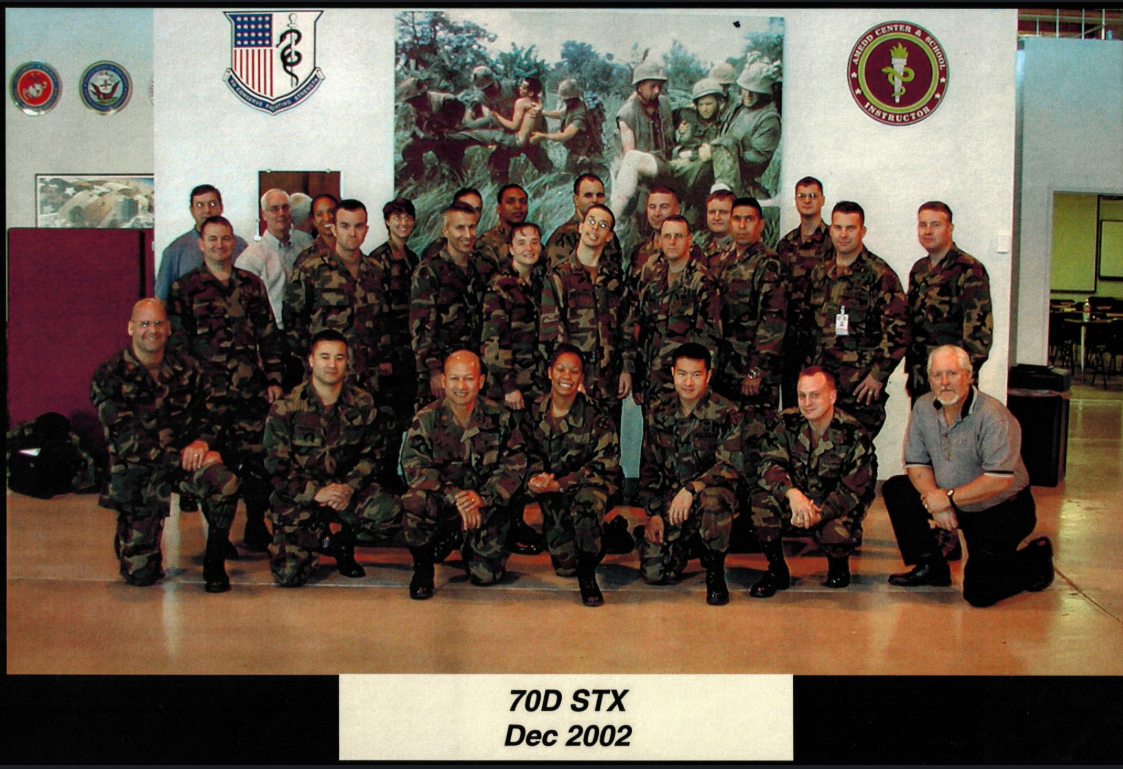
Earlier today, I was tagged in a photo on social media—a group shot taken in December 2002 during our 70D STX training, just months before the Iraq invasion. My first reaction was surprise, followed quickly by a flood of memories. No smartphones. MySpace was still the king of connection. I was in uniform, standing tall, trying to wear my best “war face.” I even had hair back then.
At that moment in time, my personal life was uncertain. I was recently divorced, unsure of where I’d live, and even more uncertain of what I’d be doing professionally. All I knew was that I wanted to stay close to my children, even as the Army had me moving in the opposite direction. Everything felt like it was shifting under my feet.
But looking back, I realize something: everything is always shifting. Like water, life never stays in the same place—it’s always in motion. Sometimes slow, sometimes raging, but always flowing. I used to crave control over every aspect of my personal and professional life. And I convinced myself that, at times, I had it. That illusion helped me sleep at night, helped me lead others, helped me believe I was making all the right moves.
Now, with 23 more years of living, learning, and letting go behind me, I’ve come to embrace a different truth: it’s okay not to control everything. In fact, that surrender has helped me grow. It’s made me more accepting of people, setbacks, and life’s curveballs. Some of the biggest disappointments in my life eventually rerouted me to something far better than I had planned.
Today, I’m working through some of the biggest challenges I’ve ever faced—accepting my wife’s ongoing battle with cancer and her limited mobility, navigating the rollercoaster of parenting a teenage daughter, and growing a business that’s rooted in purpose and resilience. I try to take it one day at a time. Like nurturing an oak sapling—you water it a little each day, give it sunlight, protect it during storms. And over time, without you even noticing, it becomes a mighty oak.
That photo reminded me who I was—and affirmed who I’m becoming. The young soldier I was then would be proud of the man I am now, not because everything turned out perfect, but because I kept showing up. I kept growing. I kept going.
I wonder if anyone in that picture can spot me. Look closely—I’m there, trying to be serious, probably thinking about the mission ahead. That version of me had no idea what was coming. But I’m grateful for him. And I’m even more grateful for who I’ve become.

Winning Proposals for Veteran-Owned Businesses
I just submitted my very first proposal to the State of Florida—and I have to admit, I didn’t think I stood a chance.
This wasn’t some minor RFP. Florida is recompeting its Management Consulting Services Consolidated Schedule, and I chose to compete in Service Category 4: Executive Leadership Development and Customized Training—one of nine powerful categories, all dominated by big-name firms with deep pockets and armies of employees.
But here I am. A veteran, a founder, a team of one, pushing through multiple websites, platforms, registrations, certifications, documents, file formats, and yes—those relentless character count limits—just to be considered viable. To even get a seat at the table.
And I made it.
It was not easy. The process was time-consuming, mentally exhausting, and filled with moments of doubt. But it was also one of the best learning experiences I’ve had as a business owner.
And here’s what I want other small businesses—especially my fellow Veteran-Owned Small Businesses (VOSBs) and Service-Disabled Veteran-Owned Small Businesses (SDVOSBs)—to know:
If you don’t try, you can’t win.
The State of Florida spent over $82 million on management consulting services last year alone. That’s not just a number—it’s an opportunity. One that we, as small, capable, values-driven businesses, can pursue. If you have the right NAICS codes, the right mindset, and the willingness to navigate the process, there’s a real path forward.
Yes, the back-office requirements are real. But compared to the federal government, the state-level procurement process is far more accessible. You don’t need a team of ten compliance officers. You just need to be intentional, organized, and committed to understanding the rules of the game.
I don’t know if I’ll win this one. But I do know this:
- I now understand how the process works.
- I can replicate and refine my submission.
- I’ve proven to myself—and maybe to others—that I belong at the table.
- And I’m ready to bring in some of the most mission-driven leaders I know to serve with excellence.
To anyone else out there feeling like a one-person army going up against giants: keep going.
The journey matters. The learning is real. And your impact—when your moment comes—will be undeniable.
Thinking About Filing for VA Disability? Read This First.
If you’re reading this, someone probably told you, “You should file a VA claim.” Maybe they’ve been saying it for years. Maybe it’s the first time you’re thinking about it seriously. Either way, I’ve been where you are—wondering if it’s worth the time, energy, and vulnerability.
Let me tell you something I wish someone had told me sooner: it’s okay to ask for help. And it’s okay to want clarity before you step into the process. So let me walk you through the VA disability claims journey—step by step—with free resources I personally trust, and some rough timeframes to expect.
🛠️ Step 1: Determine If You Qualify
Timeframe: Immediate – 1 week
You need a current diagnosis, evidence that the condition was caused or worsened during military service, and a “nexus” connecting the two.
Free Resources:
- VA Benefits Eligibility Tool
- VA Lay Statement Guide
- HadIt.com Forums (veteran-run discussions, peer guidance)
- DAV.org Help with Claims
If you’re not sure, connect with a Veterans Service Officer (VSO). They work for you, not the government.
📄 Step 2: File Your Initial Claim (Intent to File First)
Timeframe: 1 hour to prepare + VA average: 125–150 days
Start by submitting an Intent to File. That locks in your effective date while you gather evidence. Then you file the full claim.
Free Resources:
- VA Intent to File Tool
- VA Form 21-526EZ (Application for Disability)
- Vets Guardian (for-profit but offers free consultations; good for complex cases)
🔍 Step 3: Evidence Gathering & Adjudication
Timeframe: 4 to 5 months average (can vary)
The VA reviews medical evidence, service treatment records, and may schedule a C&P exam (Compensation & Pension).
Free Resources:
- VA C&P Exam Guide
- Military Service Records Request (NPRC)
- Veterans Law Blog – C&P Exam Tips (private site but very educational)
🧾 Step 4: Decision & Rating Letter
Timeframe: Included in the 125–150 day total (Step 2)
The VA issues a decision: denied, granted, or partial. You’ll get a rating decision letter explaining why.
Free Resources:
🔁 Step 5: Appeal or Supplemental Claim (if denied or underrated)
Timeframe: Varies greatly – 4 to 18 months depending on option
You can:
- Request a Higher-Level Review (125–150 days)
- Submit a Supplemental Claim with new evidence (125–150 days)
- Appeal directly to the Board of Veterans Appeals (average: 12–18 months)
Free Resources:
- VA Appeals Process Overview
- NVLSP (National Veterans Legal Services Program) (Nonprofit legal help for appeals)
- Wounded Warrior Project – Benefits Services (free help from trained staff)
🔒 Step 6: Sustainment – Updates, Increases, Secondary Claims
Timeframe: Ongoing (review every 3–5 years or as conditions worsen)
Disabilities change over time. You can request increases, add secondary conditions (like depression caused by chronic pain), or file for TDIU if you can’t work.
Free Resources:
- VA Form 21-526EZ (Again – for increases)
- Hill & Ponton Guide to TDIU (for-profit legal group with helpful blog content)
- Veteran Appeals Resources – The American Legion
🎯 Final Thoughts
Starting a VA claim is a personal decision—one that can stir up emotion, old memories, and self-doubt. But you don’t have to do it alone. Reach out to a VSO, or me and get educated, and move at your own pace. There are people—like me—who once hesitated too. And we’re all better for finally taking that step.
You’ve served. You’ve earned this. And your well-being matters.
Navigating the Turbulent U.S. Federal Contracting Landscape

Introduction
Over the past several months, the U.S. federal contracting landscape has experienced significant turbulence. The implementation of hiring freezes, early retirements, and spending cuts has led to a slowdown in federal spending, leaving many agencies and contractors in a state of uncertainty. Drawing from firsthand insights from leaders within the IRS, USDA, DoD, VA, and other agencies, this post aims to shed light on the current challenges and potential future of federal contracting.
The Immediate Impact: A Contracting Slowdown
The extension of the federal hiring freeze through July 15, 2025, has had a profound effect on agency operations. Agencies are prohibited from filling vacant positions or creating new ones, with limited exceptions for roles related to national security and public safety . This has resulted in delayed contract awards, project cancellations, and a general hesitancy to initiate new solicitations.
For instance, the Department of Veterans Affairs is reviewing nearly $2 billion in contracts, with some terminations already announced . Similarly, the USDA has frozen funding for numerous grant programs, affecting projects that support farmers, small businesses, and food initiatives .
The Domino Effect on Contractors
The ripple effects of these federal actions are being felt across the contracting community. Many professional services contracts are being terminated, and the average sales cycle for federal contracts—often spanning three years—is being disrupted. Companies that have invested significant resources into shaping and pursuing these contracts now face the risk of sunk costs without the prospect of recouping their investments.
Moreover, the uncertainty surrounding the resumption of normal contracting activities has made strategic planning challenging. With leadership across various agencies unaware of when and how spending will restart, contractors are left in a precarious position, balancing the need to maintain readiness with the financial strain of prolonged inactivity.
A Glimmer of Hope: Long-Term Prospects
Despite the current challenges, there are reasons for cautious optimism. Historically, federal contracting has demonstrated resilience, rebounding after periods of austerity. The U.S. government remains the largest customer in the world, and its need for goods and services is enduring. Once the current constraints are lifted, there is potential for a surge in contracting activity to address backlogs and new priorities.
Note: For the most current information on federal contract opportunities and awards, visit SAM.gov.

Lou Schwartz Joins DAV Patriot Boot Camp 2025
We are thrilled to announce that Lou Schwartz, founder and president of LOUJSWZ Inc., has been officially accepted into the DAV Patriot Boot Camp Spring 2025, a prestigious program dedicated to empowering military veterans, service members, and their families in entrepreneurship.
Hosted at the Disabled American Veterans (DAV) National Headquarters in Erlanger, Kentucky, this three-day immersive experience will bring together an elite group of veteran and spouse entrepreneurs from across the country for education, mentoring, and networking from May 14-16, 2025.
This incredible opportunity aligns perfectly with the mission and vision of LOUJSWZ Inc.:
- Mission: To improve processes and lives for small businesses, veterans, and individuals, making their journey easier and more fulfilling.
- Vision: To empower others through professional services, project coordination, consulting, and federal certifications, helping them navigate complex systems and succeed in their ventures.
Through this program, Lou will not only enhance his own entrepreneurial skills but also expand the reach of LOUJSWZ Inc.’s commitment to veteran advocacy, small business development, and servant leadership. The knowledge and connections gained will directly benefit the veterans, small business owners, and clients we serve, ensuring that LOUJSWZ Inc. continues to make life better and easier for those striving to achieve their goals.
Stay tuned as Lou returns with insights from this experience. He will bring back relationships and resources to further enrich the support we provide.
For more about our services and ongoing initiatives, visit loujswz.com or connect with us on LinkedIn
Together, we rise. Together, we serve.


Life Changes in an Instant: A Caregiver’s Journey
We’ve all heard the phrase: “In the blink of an eye, everything can change.” It’s easy to brush off—it’s a quote we’ve heard in books, seen in movies, or used when something minor goes sideways. I’ve heard it a million times. But living it—really living it—is different.
As a two-time caregiver, I’ve come to truly understand the depth of that phrase. This second time around has given me what we used to call in the military situational awareness. That’s the moment when you stop reacting emotionally and begin assessing reality: the inputs, the outputs, and what you can do—even if it’s just mitigating the damage.
A few months ago, my wife hadn’t walked in six months. Chemo had ravaged her body. She was pale, fragile, eyes sunken. I’d seen that look before in others, but this was my wife.
Then one morning, I walked into our little home gym and found her wheelchair stuck in the doorway. I looked across the room and there she was, standing—cleaning out a closet.
“How did you get over there?” I asked, stunned.
“I walked,” she said.
Using the treadmill and bench to balance herself, she’d made her way across the room. That was the first time in half a year. I yelled for our son—his mom had walked. Within a week she was moving around the house. Within a month, she was logging 5,000 steps a day, laughing with friends, going to parties. Her oncologist called it miraculous.
Life returned. Our home was lighter. The walker and wheelchair went back in the garage. We stopped arguing. We were happy again—almost like the storm had passed without us noticing.
Then her knee started to ache. Badly. We pulled the walker back out. Then the wheelchair. And when I had to reinstall the ramp on our front steps… that’s when it hit me.
We were back at the bottom.
Tensions flared again. My daughter and I, already frayed, started arguing like before. Caregiving is constant—it never turns off. It demands your whole being. You feel like if you step away for even a moment, everything might fall apart.
But this time… I told myself it would be different.
My wife, thankfully, was approved for Social Security Disability in a single day. Say what you will about government programs—but after 40 years of paying taxes, that moment mattered. It gave us some breathing room. I no longer needed to work part time just to get by. Now, I could be present. For her. For our daughter. And for myself.
That meant waking early. Drinking my coffee in peace. Saying my mantras. Walking the dogs. Going to fitness class. Writing. Reflecting.
We were gifted three months of light. Three months of freedom. And even if that season never returns, I will always cherish it.
Because I know how quickly it can all change.
Situational awareness isn’t just for combat zones. It’s for living rooms. For hospital beds. For quiet corners where you cry alone. It’s knowing when to breathe, when to speak, and when to let go of trying to control what can’t be controlled.
It’s about grace.
It’s about gratitude.
And it’s about recognizing—in the blink of an eye—that even the smallest step forward is a miracle worth holding onto.

Finding Strength in Fear: A Roadmap for Resilience
Sometimes we all need strength to persevere. Some days are harder than others. Some moments are like ice. Sometimes we need to have a plan to move forward. This is mine.
That feeling—of being stuck in place while time barrels forward like a freight train—is terrifying. The quiet becomes a roar. Your heart races while your body doesn’t move. It feels like you’re standing on a shore, watching a storm roll in, knowing you can’t hold back the waves.
But you’re not alone in this.
When fear takes over, survival doesn’t look like bravery. It looks like breathing, getting out of bed, putting one foot in front of the other, even if you don’t know where you’re going yet.
Here’s a small roadmap—just enough to get through one moment, then the next:
1. Name It
Say out loud (or write it down):
“I’m afraid of ____. I feel like ____.”
Giving fear a name takes away some of its power. It makes it something you are experiencing—not something that is you.
2. Shrink the Future
When the future feels unbearable, don’t try to live it all at once.
Try living just the next five minutes.
Then the next hour.
You’ll be surprised how far that can carry you.
3. Choose One Thing You Can Control
Maybe it’s taking a walk.
Making a cup of coffee.
Writing a message to someone you trust.
Control just one thing. That can be enough to anchor you today.
4. Let Others Be Your Strength
Even if you feel like a burden—you’re not.
Let someone carry a bit of this with you.
You don’t have to have the right words. Just say:
“I’m not okay. Can you just sit with me in this for a moment?”
5. Grace Over Guilt
If all you did today was survive—that counts.
You don’t have to fix everything. Not today. Maybe not even tomorrow.
You just have to keep showing up. You already are.
You asked how you can survive it.
You survive it the same way you’ve survived every hard thing before:
With a cracked heart and the quiet strength you don’t even realize you have.
And when you’re ready, we can talk about how to walk forward—not fast, just real.
I’m here for that walk whenever you are.


