Blog Archives
The Joy of Collecting: Finding Meaning in Everyday Treasures
I’ve always collected things—medals, pennies, shark teeth, rocks, golf balls, even tire valve caps. Some of these were intentional, others accidental. But all of them, in their own way, represent little victories and moments of peace.
Just the other night, I went on a walk after dinner, a habit more about unwinding than fitness. I came back with five golf balls. Five. That might not seem like a lot to some people, but for someone who’s spent a lifetime collecting, five of anything in one outing is a haul. It got me thinking—not about golf balls, but about collecting, and more curiously, why I do it.
Let me start with this: I’ve begun using lost golf balls as my own personal economic indicator. A kind of SWAG (scientific wild-ass guess). I know it’s a stretch, but hear me out—if people are out playing golf in the middle of the week and losing $20 sleeves of balls without a second thought, then someone out there is doing alright. I’m no fan of trickle-down economics, but the existence of a well-funded slice of the population still swinging away gives me a small sense of hope that the world hasn’t completely unraveled. Still, that’s not why I walk. I walk to escape that kind of thinking.
This post isn’t about economics. It’s about collecting.
My father used to collect pennies he found on walks. Before that, as a boy, he collected stamps. I picked up the penny habit from him, and at one point, my collection was medals—military ones. Now? It’s golf balls, and teeth from long-dead sharks. And that’s the distinction I want to make. Stamps and medals feel like hobbies. You go out, you pay money, you build your collection. But to me, collecting has always been about the hunt—the unplanned, unscheduled discovery. The moment you spot something unexpected glinting in the grass or poking out from the sand. That’s collecting.
There’s real joy in that moment—when you pause, bend down, and confirm that yes, it’s a golf ball or a shark tooth or some little artifact the world left behind. It feels like you’ve won something. Like you’re seeing what others overlook. It might sound like a stretch, but in those moments I feel capable, even special.
Turns out, there’s science to back that up. Psychologists have long studied the drive to collect. Some say it’s tied to our ancestral instincts—early humans were gatherers, after all. Others say collecting brings order to chaos, structure to a fast-moving world. According to researchers, collecting can also provide a sense of control, personal identity, even legacy. But more than that, when we find something—especially something unexpected—our brain releases a hit of dopamine. The same reward chemical that fires when we eat good food, laugh, or fall in love. So yes, spotting a golf ball in the grass isn’t just coincidence—it’s chemically rewarding. No wonder I keep looking.
In those moments, I’m not thinking about work, or stress, or the headlines. I’m just walking. And collecting. And somehow, connecting to the people who came before me—my dad and his pennies, the long-lost owner of the golf ball, even the shark whose tooth found its way into my palm.
Collecting, for me, isn’t about things. It’s about finding meaning in the everyday. It’s about knowing that even in a world spinning out of control, there are still small, lost treasures waiting to be found.

The Life-Saving Power of Blood Donation
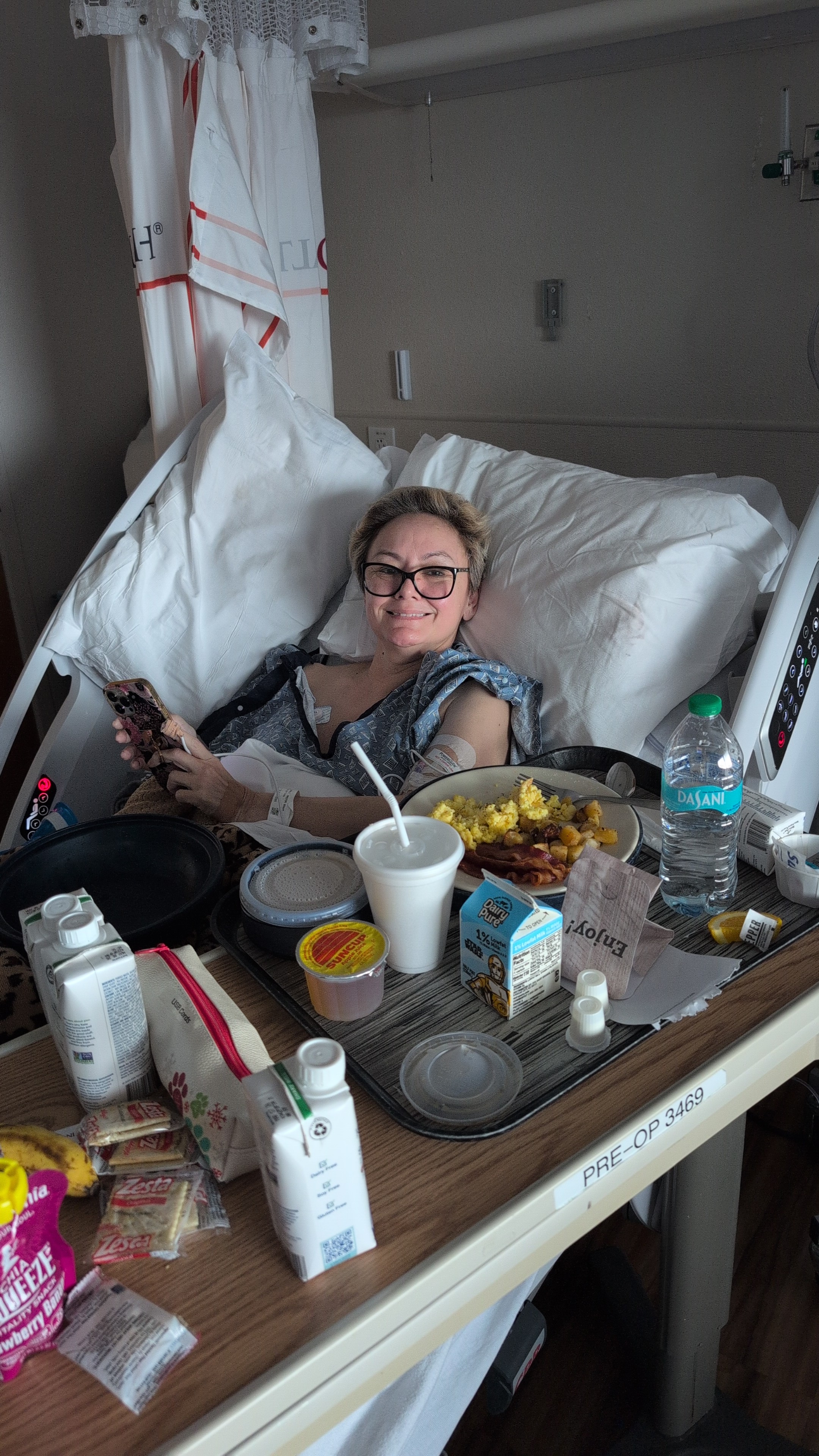


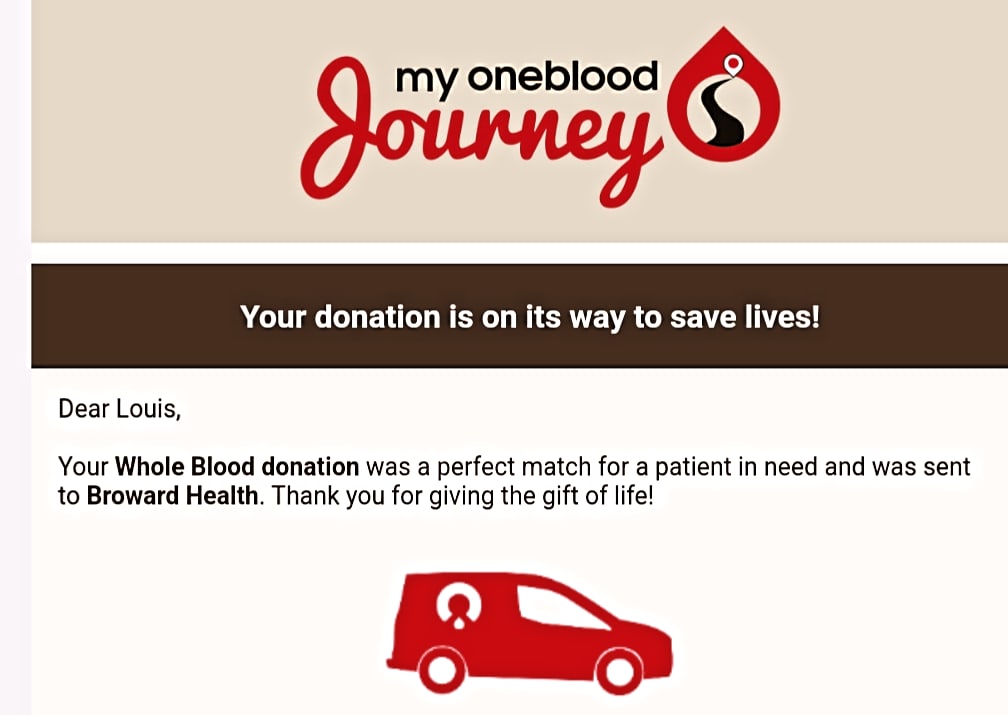


There are moments in life that transcend coincidence—moments that remind us of the deep interconnection between people, acts of service, and the enduring power of compassion. My wife and I recently experienced one of those moments firsthand.For years, we’ve both been regular blood donors. It was never about recognition or reward—it was simply the right thing to do. We believed in it. We knew that a single pint of blood could mean the difference between life and death for someone we might never meet. What we never imagined was how this quiet act of giving would one day come full circle in our own lives.Over 30 years ago, I required an emergency blood transfusion after surgery. I had been discharged from the hospital, only to collapse at home from undetected internal bleeding. As my strength faded and my consciousness waned, two pints of blood were administered, and within minutes, I felt myself come back to life. I will never forget that sensation—the sudden clarity, the renewed energy, the overwhelming gratitude for whoever had made that donation.Fast forward to the present: my wife is fighting cancer with a strength that humbles me every day. Recently, her care team determined she needed a blood transfusion. I told her what I had experienced—that maybe she, too, would feel the same miraculous lift. And she did. That night, she slept peacefully. Her color improved. Her energy returned. It was an almost immediate renewal of life.In that moment, all the years we spent donating blood felt like a sacred thread—woven into a story we could never have predicted. One act of generosity can become someone else’s lifeline. And sometimes, that “someone” is the person you love most in the world.Blood is more than a clinical fluid—it’s a vessel of hope, a symbol of our shared humanity. Donating blood is not just a medical gesture; it’s a profound act of connection. When we give, we’re not only offering a piece of ourselves—we’re becoming part of a legacy of compassion that could touch lives in ways we may never see.I encourage everyone reading this to consider becoming a donor. You may never know whose life you’ll save—but one day, that life might just be someone you love.

Life Changes in an Instant: A Caregiver’s Journey
We’ve all heard the phrase: “In the blink of an eye, everything can change.” It’s easy to brush off—it’s a quote we’ve heard in books, seen in movies, or used when something minor goes sideways. I’ve heard it a million times. But living it—really living it—is different.
As a two-time caregiver, I’ve come to truly understand the depth of that phrase. This second time around has given me what we used to call in the military situational awareness. That’s the moment when you stop reacting emotionally and begin assessing reality: the inputs, the outputs, and what you can do—even if it’s just mitigating the damage.
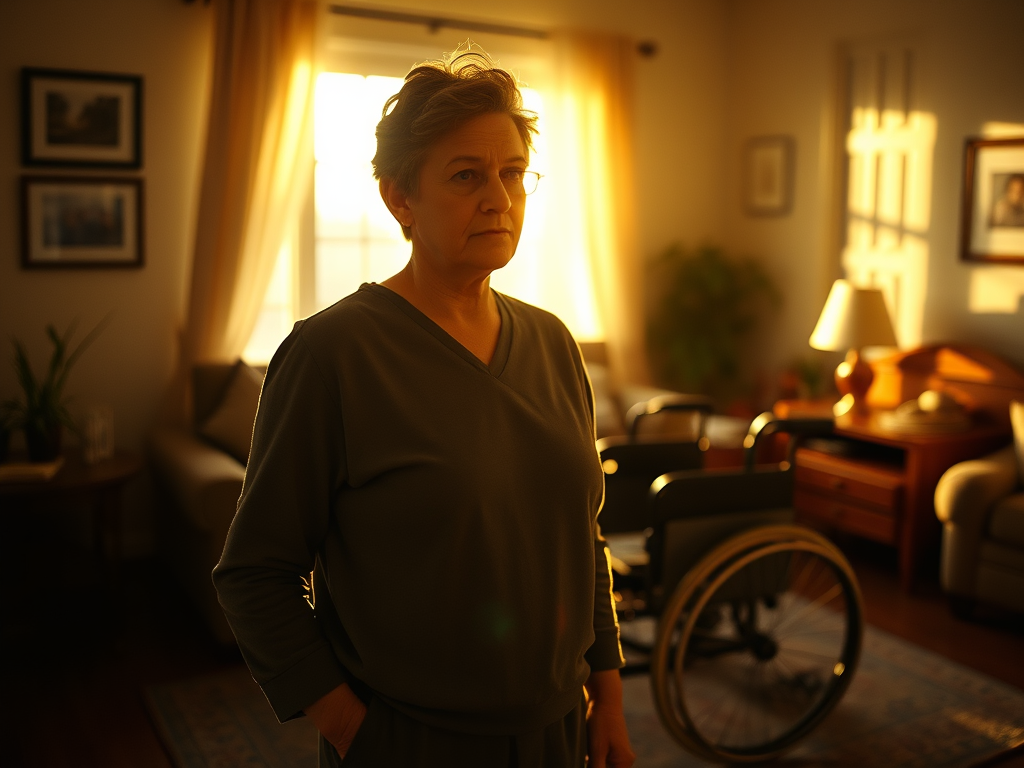
A few months ago, my wife hadn’t walked in six months. Chemo had ravaged her body. She was pale, fragile, eyes sunken. I’d seen that look before in others, but this was my wife.
Then one morning, I walked into our little home gym and found her wheelchair stuck in the doorway. I looked across the room and there she was, standing—cleaning out a closet.
“How did you get over there?” I asked, stunned.
“I walked,” she said.
Using the treadmill and bench to balance herself, she’d made her way across the room. That was the first time in half a year. I yelled for our son—his mom had walked. Within a week she was moving around the house. Within a month, she was logging 5,000 steps a day, laughing with friends, going to parties. Her oncologist called it miraculous.
Life returned. Our home was lighter. The walker and wheelchair went back in the garage. We stopped arguing. We were happy again—almost like the storm had passed without us noticing.
Then her knee started to ache. Badly. We pulled the walker back out. Then the wheelchair. And when I had to reinstall the ramp on our front steps… that’s when it hit me.
We were back at the bottom.
Tensions flared again. My daughter and I, already frayed, started arguing like before. Caregiving is constant—it never turns off. It demands your whole being. You feel like if you step away for even a moment, everything might fall apart.
But this time… I told myself it would be different.
My wife, thankfully, was approved for Social Security Disability in a single day. Say what you will about government programs—but after 40 years of paying taxes, that moment mattered. It gave us some breathing room. I no longer needed to work part time just to get by. Now, I could be present. For her. For our daughter. And for myself.
That meant waking early. Drinking my coffee in peace. Saying my mantras. Walking the dogs. Going to fitness class. Writing. Reflecting.
We were gifted three months of light. Three months of freedom. And even if that season never returns, I will always cherish it.
Because I know how quickly it can all change.
Situational awareness isn’t just for combat zones. It’s for living rooms. For hospital beds. For quiet corners where you cry alone. It’s knowing when to breathe, when to speak, and when to let go of trying to control what can’t be controlled.
It’s about grace.
It’s about gratitude.
And it’s about recognizing—in the blink of an eye—that even the smallest step forward is a miracle worth holding onto.
Finding Silver Linings in Unexpected Places
Life is unpredictable, and sometimes, the most unlikely situations reveal hidden blessings. Recently, I found myself navigating one such experience when COVID paid me an uninvited visit, but looking back, I see it as a moment of grace rather than misfortune.
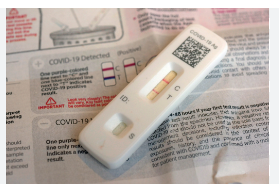
On my way back to the hospital to be by my wife Sherri’s side, I began feeling unusually nauseous and headachy—a combination I’d never quite experienced. Despite being vaccinated and boosted, I followed my instinct to take a COVID test from the government-supplied kit Sherri had thoughtfully kept on hand. As soon as the liquid hit the strip, it confirmed my suspicion: positive.
Thankfully, we quickly tested everyone in the house, and Sherri was tested in the hospital. To our relief, all came back negative. Knowing I had listened to my wife’s advice and taken the test before exposing her to any potential harm was an overwhelming relief, especially considering her delicate health. Sherri’s fight with cancer has already brought so many challenges, and the last thing I wanted was to bring her more suffering.
As a veteran, I’m fortunate to receive care through the VA. They directed me to a local urgent care where I received a prescription to help alleviate the symptoms, but as I headed home, I faced another realization: it wasn’t safe to stay there. With extended family who had relocated from California to be with us and Sherri hopefully coming home soon, there was no choice but to get a hotel and isolate—my son humorously dubbed it “COVID jail.”
Isolation is not something any caregiver welcomes. For months, my days have revolved around taking care of Sherri, supporting her as she smiles through excruciating pain and endures round after round of chemotherapy. Yet, as I sat alone in the quiet of my hotel room, I realized how thankful I am for our extended family who stepped up in a way we could never have expected. They moved their lives across the country to help Sherri through her battle, filling in gaps that even the best of friends couldn’t manage long-term. Their presence has been an incredible gift.
In those quiet hours, I found myself thinking of everything my wife and I have been through, of the strength it takes to provide care day in and day out, and of the incredible people who have supported us on this journey. The forced solitude gave me a chance to regroup and recharge—a luxury many caregivers don’t get.
This unexpected turn of events became a blessing, one that reminded me of the importance of family, community, and listening to that inner voice, especially when it comes to caring for the ones we love. Even when life seems difficult or bleak, we can still find silver linings if we take a moment to look.