It Takes a Village: The Realities of End-of-Life Care
Yesterday was one of the hardest days yet. My wife, Sherri, whispered that she wished for death. Her pain was unbearable, even through layers of medication. Her bed sore reopened, two abscesses formed in her mouth, and the ache from her brittle bones and unhealed surgical site—after eight surgeries, two wound vacuums, and countless antibiotics—was relentless.
We took her to the dentist, who could do little more than write a referral to an oral surgeon. In that moment, I realized what Sherri already knew: sometimes, the course of care no longer offers a path worth taking. The procedures, the pain, the waiting—none promise comfort or meaningful recovery.
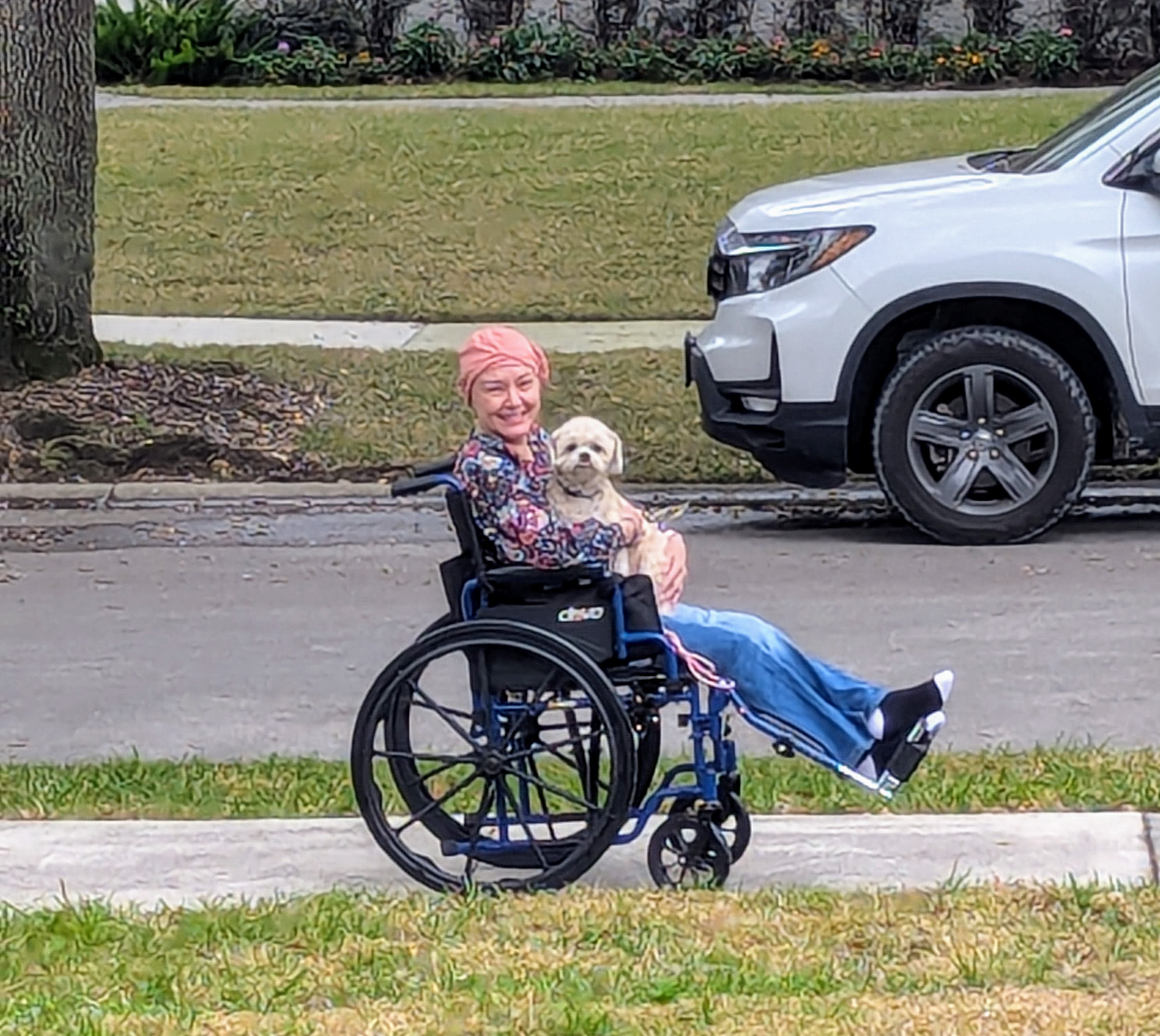
Yet, it takes a village. Her sister, her cousin, and her circle of friends have become our lifeline. Their presence gives her strength. She lights up when they visit, laughs, and feels alive again. But the cost is steep—those moments of joy are followed by hours of exhaustion and pain. Now, every visit, every appointment must be weighed against what it will take from her.
I see couples in the hospital—older than us—one sick, one trying to navigate the maze of care while barely able to support themselves. Too often, they end up alone in nursing homes, fading quietly. I’m grateful I’m still strong enough to help Sherri, even if I know there will be a toll later.
End-of-life care isn’t about heroics or procedures—it’s about presence. It’s about conserving what’s left of the body’s strength and surrounding the spirit with love. The truth is, medical science can extend life, but only community—family, faith, and friendship—can make it worth living.

Posted on October 17, 2025, in Caregving, and tagged #caregiving, #love, #resilence, health, life, mental-health. Bookmark the permalink. 1 Comment.


Dear Lou, I am sorry to read your post. You and your wife are on my mind. Peace to both of you and your family.