The Truth About Insurance Delays in Medical Equipment Access
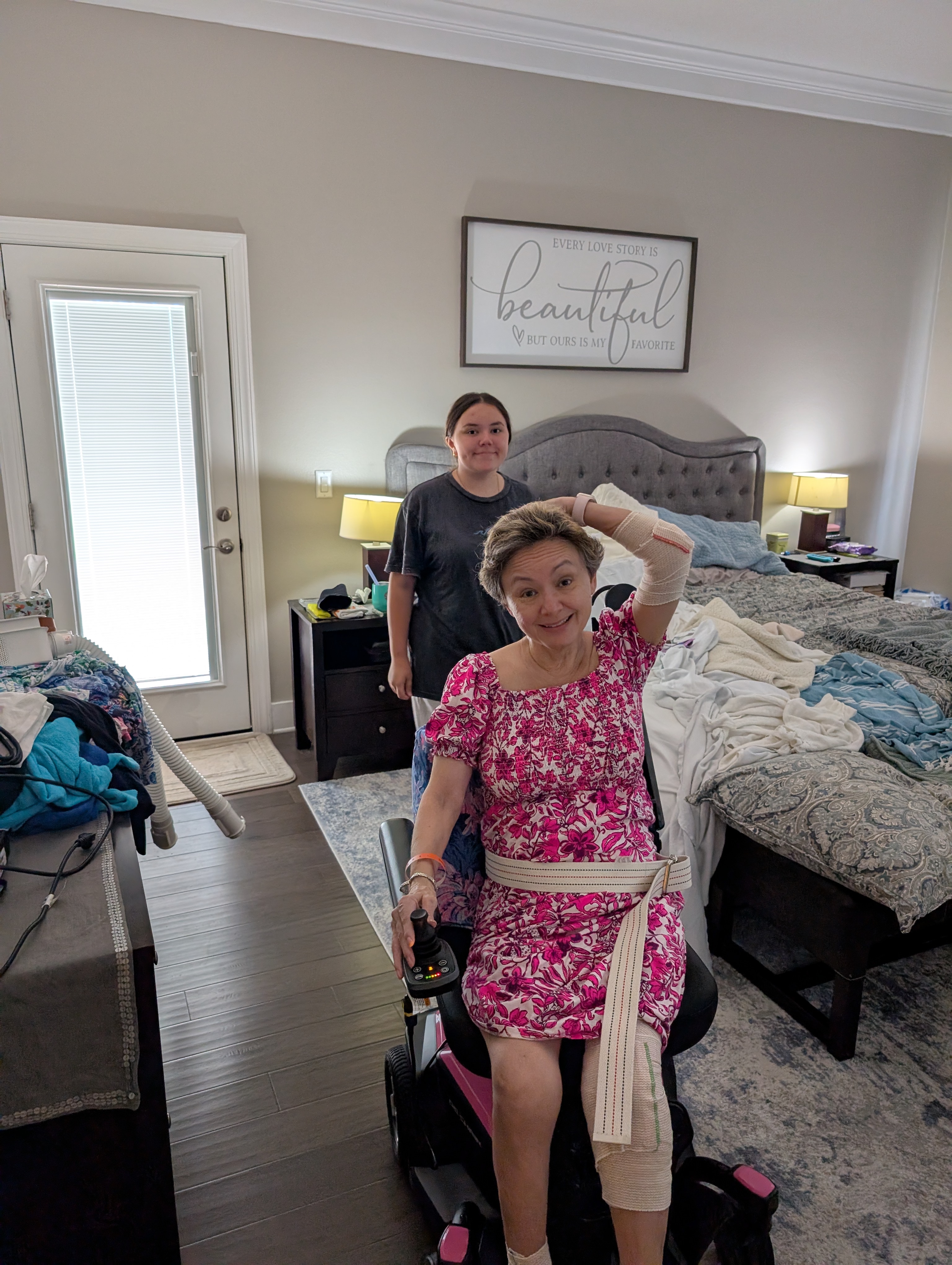
Imagine this: your loved one has just been admitted to a rehabilitation hospital. She has limited mobility, use of only one hand, and is in critical need of a powered wheelchair to regain a sliver of independence. The medical team sees the need clearly. The rehab team jumps into action—generating a physician’s statement of need, identifying a qualified vendor, and aligning care planning around the use of this essential device.You would think the next step is straightforward—insurance approves, device is delivered, and your loved one can begin her recovery journey with dignity.
Wrong.
The insurance company’s response? “It will take a minimum of 60 days to process.” That’s 45 days after the patient is discharged—leaving her bed-bound or reliant on round-the-clock support in the meantime. If you want the device sooner, it’s available—but only if you can pay the full cost upfront, out of pocket.Luckily, I had just enough space on a credit card—$2,200—and I bought the chair myself. Within hours, it was delivered. The result? My wife, who was at risk of becoming isolated in her own home, regained some independence. We then submitted all the paperwork for reimbursement through the approved process—yes, still by fax in 2025. The insurance company now has 75 days to decide whether the benefit will be honored.And what if they do approve it? After deductibles, co-pays, and co-insurance calculations, they’ll only reimburse less than 50% of the total cost.This experience was frustrating, disheartening—and honestly, a little scary. What happens to people who don’t have a credit card? Who can’t float the cost while waiting months for reimbursement? Are they just expected to sit, lay, and suffer in silence?—The Business Rules Are Broken. Health insurance providers often tout their “support” for necessary medical equipment. But their business rules are built for denial, delay, and discouragement:Delays in processing—even with a signed medical necessity letter.Reimbursement after the fact, not timely fulfillment.Inadequate coverage—only partial payments after all the math. And yet, the market has made it possible to buy a power chair on the same day. The disconnect is glaring: it’s not a matter of availability, it’s a matter of access.
—Final Thoughts: This post isn’t about venting. It’s a call to advocate for change. Durable medical equipment (DME) is not a luxury—it’s a lifeline. Yet current insurance practices treat it like an optional convenience.If you’re a caregiver, patient, or family member going through this system, I see you.
If you’re a policymaker or insurance executive reading this, I urge you—align the policy to the people. Because right now, too many are being left behind.—If you’ve faced similar challenges or want to share resources that have helped you navigate the DME approval process, please share them in the comments. We need to amplify these stories and stand together for better healthcare access.

Posted on June 23, 2025, in Caregving,. Bookmark the permalink. Leave a comment.


Leave a comment
Comments 0